







Experiences to live
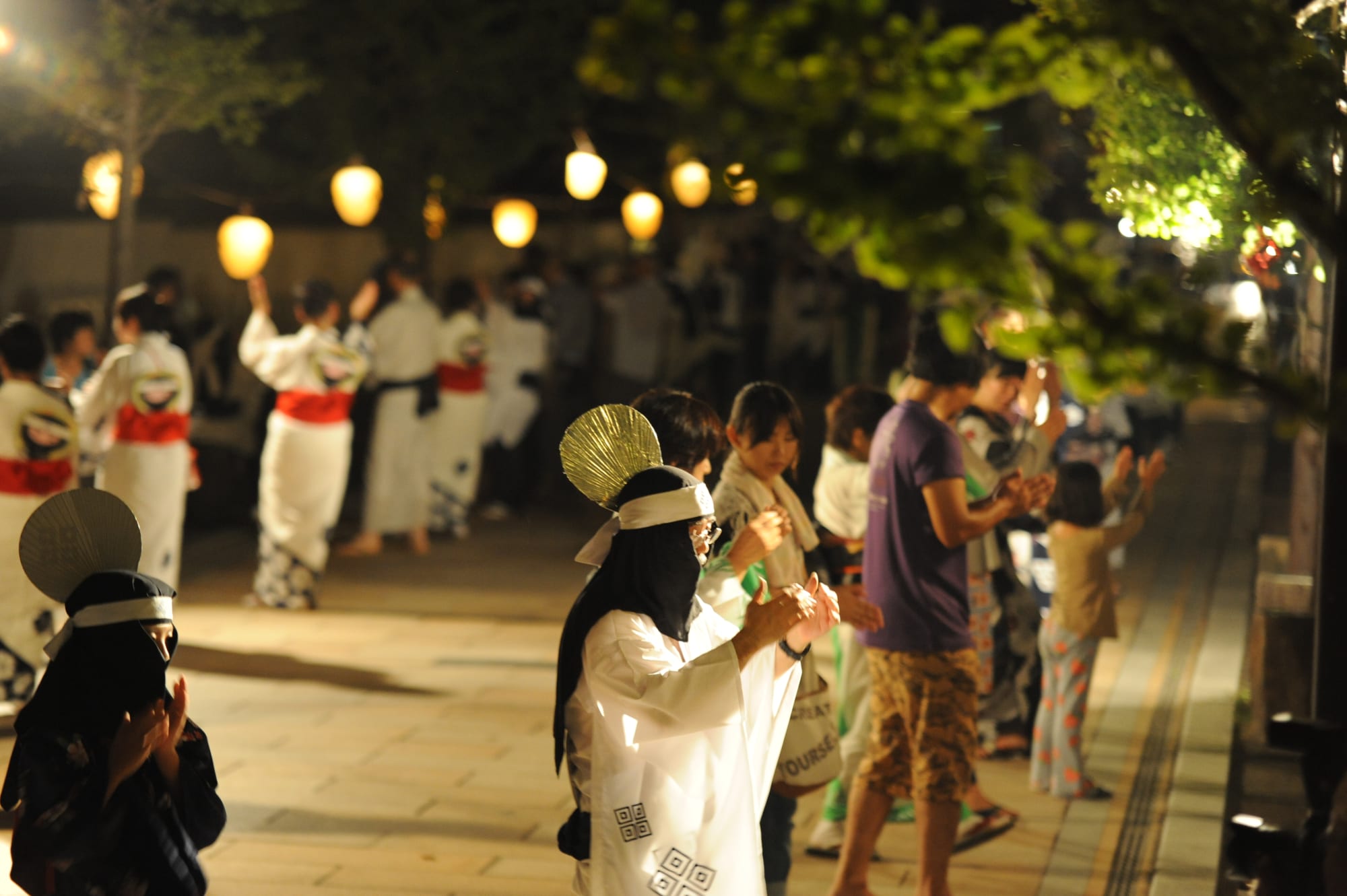
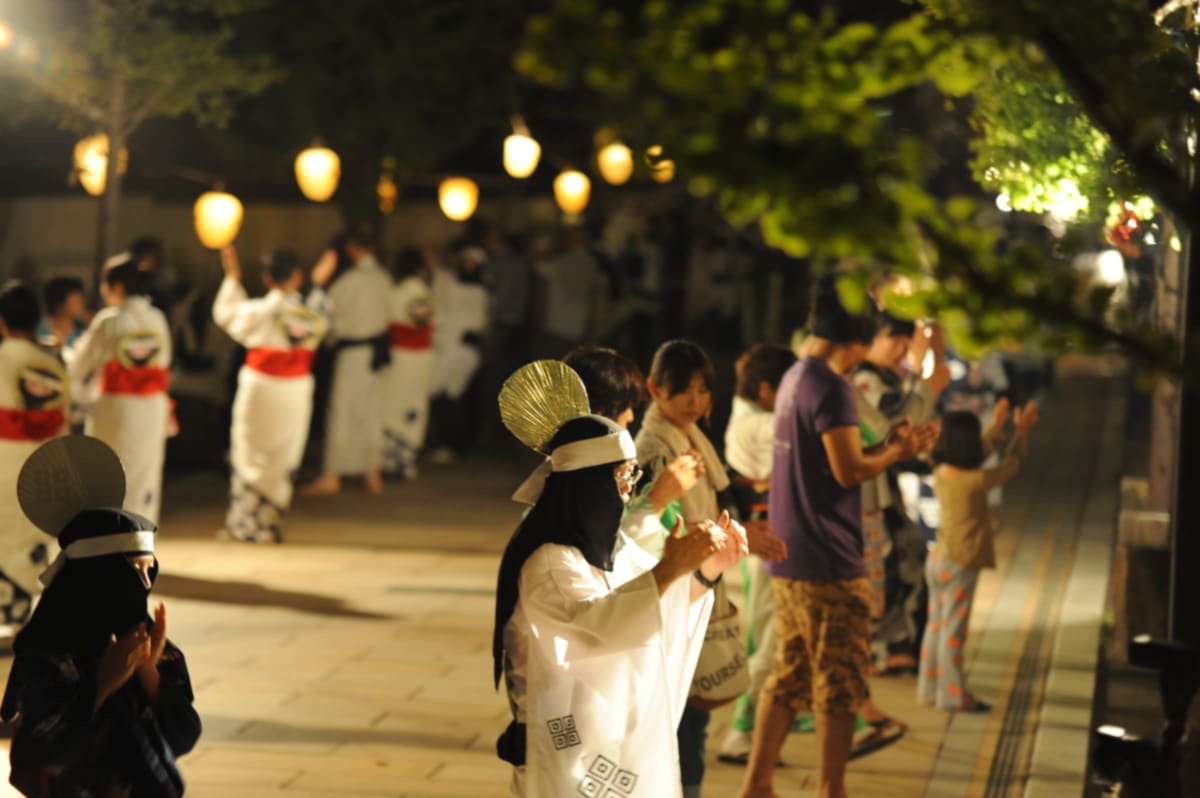
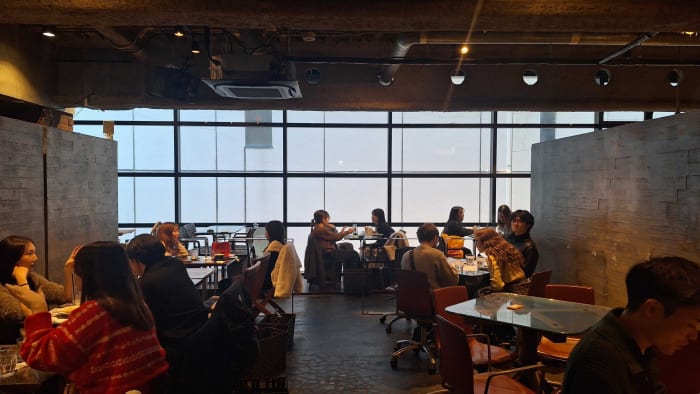
Blending in is doing what people here do on an ordinary Tuesday. A baseball game at Jingu Stadium, where each side has its own songs and you end up singing with the wrong one — or, in January, May and September, a sumo tournament at Ryōgoku. The neighbourhood bathhouse at six: plastic bucket, water too hot, regulars who have their own place. A summer festival where you move at the crowd’s pace, between a takoyaki stall and a goldfish one. Then a pre-war lane where some shutters will be down on the day you pass. No one is expecting you, and that is exactly what lets you in.
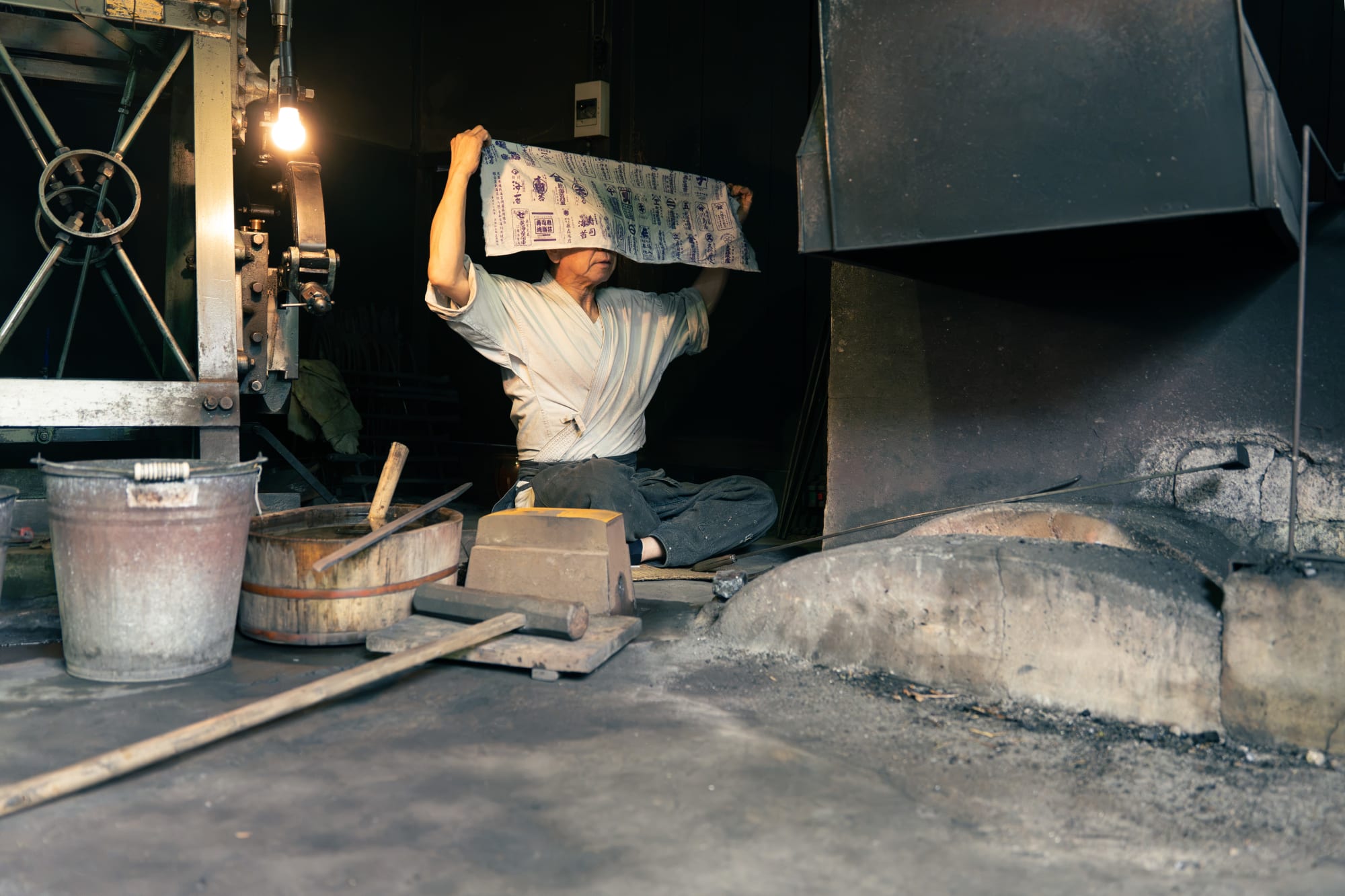
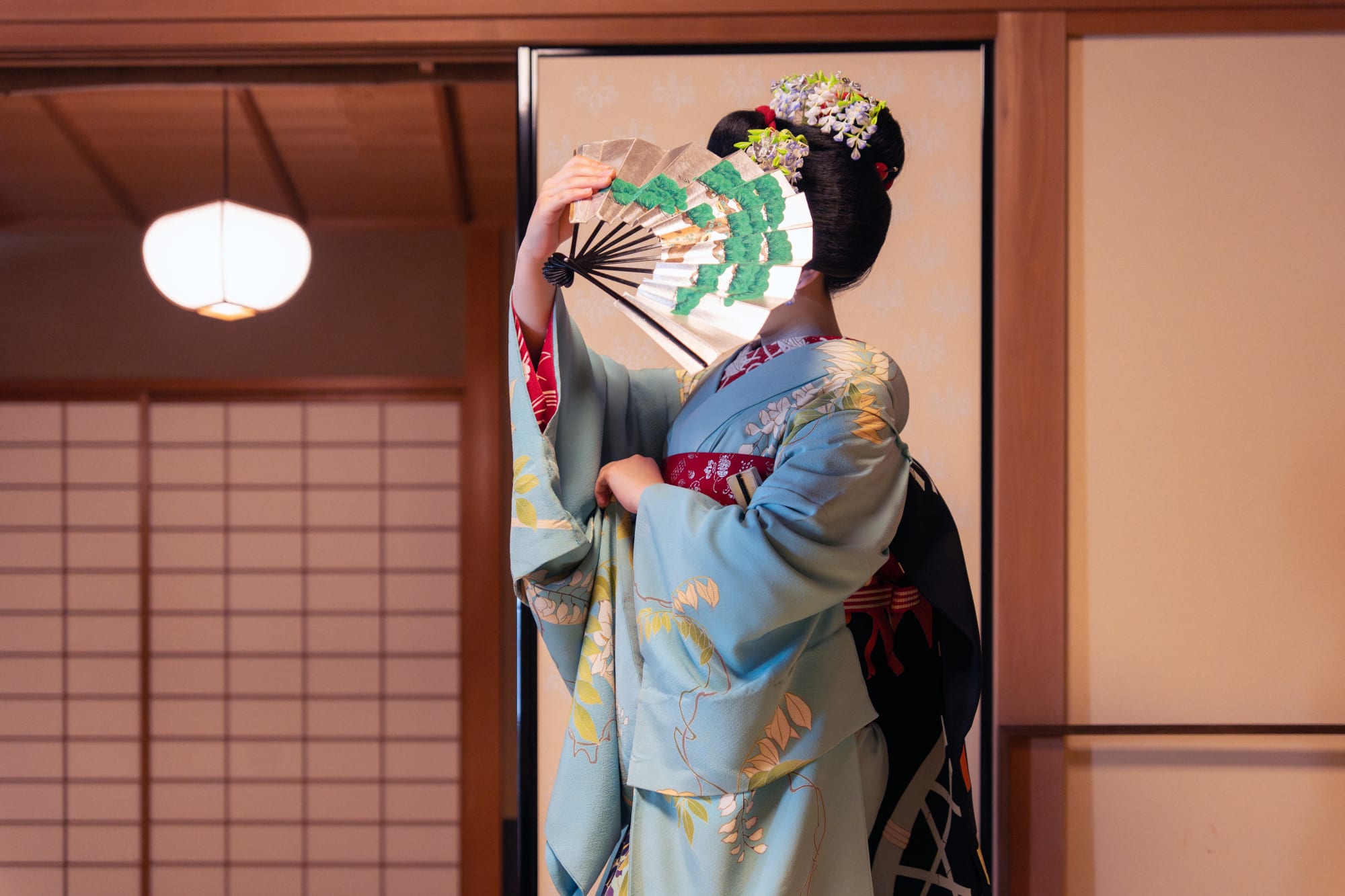
Some journeys are remembered less for their places than for the people met along the way. An hour with a geiko in Kanazawa — the simple version, no protocol: she dances for a room of ten, then sits down, starts a sake game and answers questions. A cut and a shave at a neighbourhood barber, hot towel over the face, a conversation held in three words. On the Shima peninsula, the ama grill what they have just brought up in front of you, in a hut darkened by salt. In Sanjō a smith runs a blade across the grinding wheel and the sound changes on contact; he speaks little English and has no need of it.
Here you don’t watch: you make, and you leave with an object you got slightly wrong. A pair of urushi chopsticks you sand down yourself until the layers of lacquer surface one by one, each a different colour. An afternoon with your hands in an indigo dyer’s vat, waiting for the cloth to turn from murky green to deep blue. A sheet of washi paper pulled yourself, in a village where the gesture has passed from one generation to the next. In Tsubame, a copper cup, a hammer and an anvil: the first ten blows are timid, the next thirty better, and it is the flaws you will point to once home.
Tasting is as much what comes before the table as the table itself. A sushi counter where the chef serves eight people at once and sets each piece down in the order he has chosen. A sake brewery in a wooden building standing since 1767, whose cold cedar smell stays with you far longer than the vocabulary. The morning market along the river in Takayama, where you buy whatever is ready that day. In the evening, three six-seat counters in one narrow lane, a glass at each, no English menu: you point at what your neighbour is eating, and sometimes get it wrong.
The country reads better at this speed. The Philosopher’s Path in Kyoto, two kilometres along a cherry-lined canal, best walked at seven when there is still nothing about but cats. Eight kilometres between Magome and Tsumago in the Kiso valley, with iron bells along the way that you ring to warn the bears — no one ever sees one, and everyone rings anyway. Your bags leave by carrier in the morning and are waiting at the inn by evening, so you walk with water and a jacket. And the day often ends in an outdoor bath, because these valleys are hot-spring country too.
The bath comes after the walk, not instead of it. A zazen sitting in a temple, forty minutes facing the wall, listening to the corridor’s timber work. At Onogawa the water leaves the ground at close to eighty degrees and is tempered before it reaches the pools; it carries silica, which is why the valley has been calling it beauty water for twelve centuries. You stay in briefly, rinse with clear water, and come out with loose legs. Outside, the public foot bath is free to use and usually already taken by someone who will make room.
Our selection

Going further
None of these experiences is sold on its own. They slip into a day, between a train and a dinner, wherever they make sense — and half a day in a workshop is sometimes worth more than one more city. Which ones, and when, is decided as the itinerary takes shape.
See the paths