
A place chosen for you
Tatami, futon, two meals served in your room
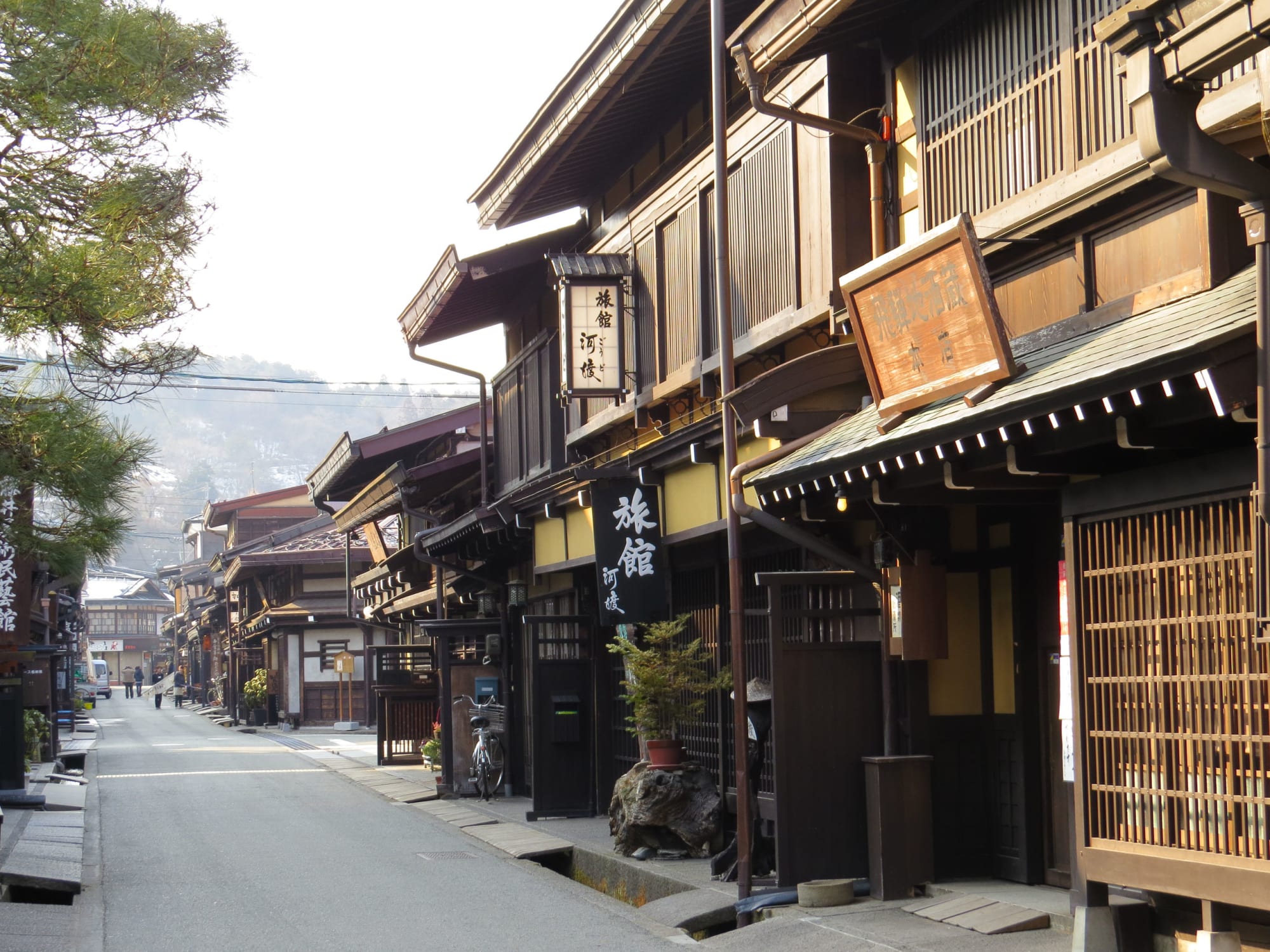
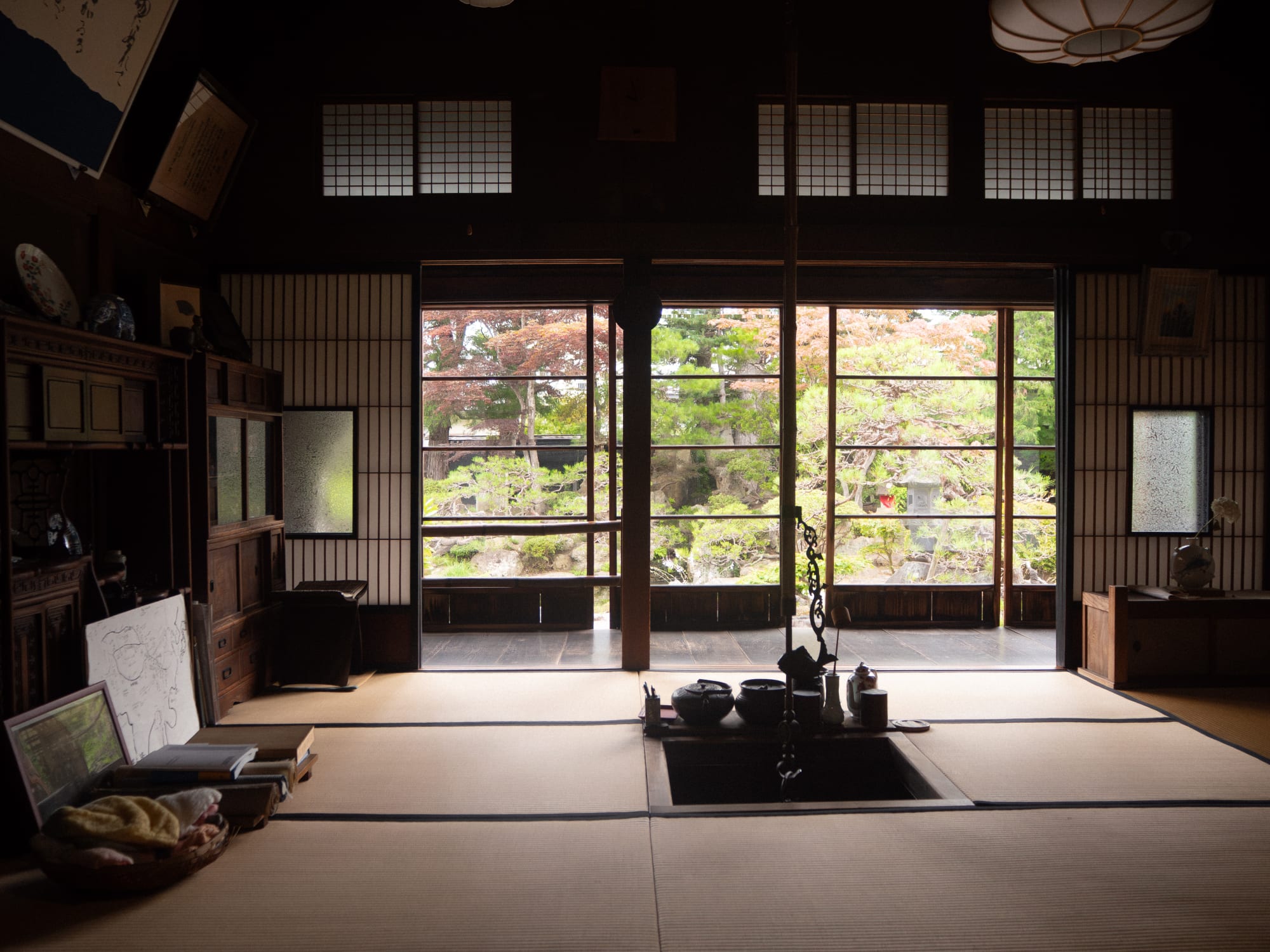
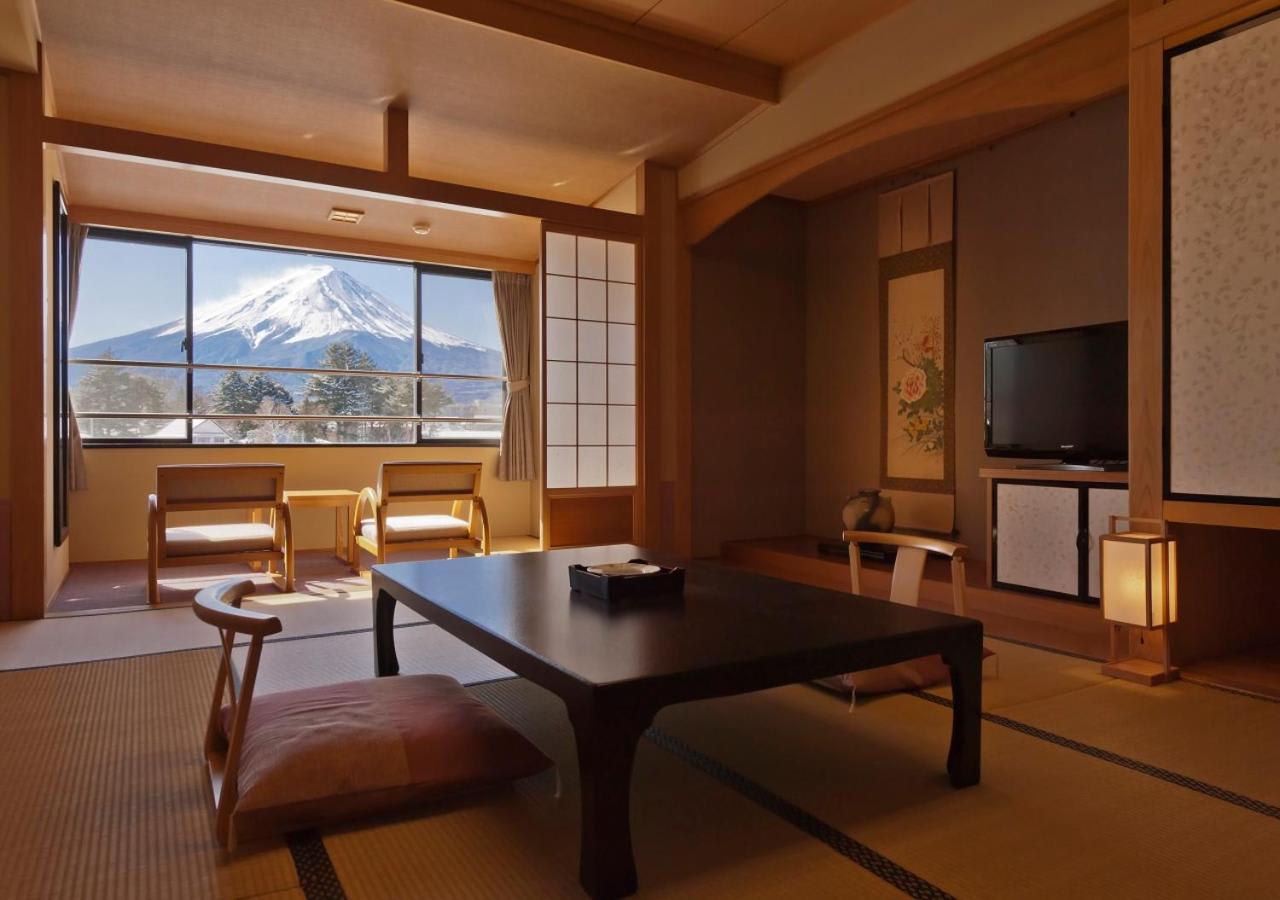
A ryokan is an inn where the night is the destination. You arrive before five, put on the yukata, and go to the bath before dinner because that is the order in which it works. The room is empty tatami at tea time, and a futon by the time you come back from the table. Dinner follows the season — ten to twelve courses, two of which you will not be able to name — and is served at the hour agreed on arrival. The old houses have corridors that creak, uneven steps and sometimes no lift; the walls have darkened with age. We hold the room, confirm the meal, and tell you what is shared.
Someone’s home, usually a family, usually five rooms
A minshuku is a family house with four to eight rooms in it. You take your shoes off in the entrance, you are introduced to the woman who runs it, and dinner is at six because that is when people eat here. Bathrooms are sometimes shared, the walls are thin, and you will hear the television next door. In exchange: mountain vegetables put by in autumn, rice from the plot behind the house, and a conversation held in three words and a great many gestures. In Tsumago, in the Kiso valley, the owner will often drive you to the trailhead the next morning.
Sleeping in a temple. Up at six for the morning office, if you want to be
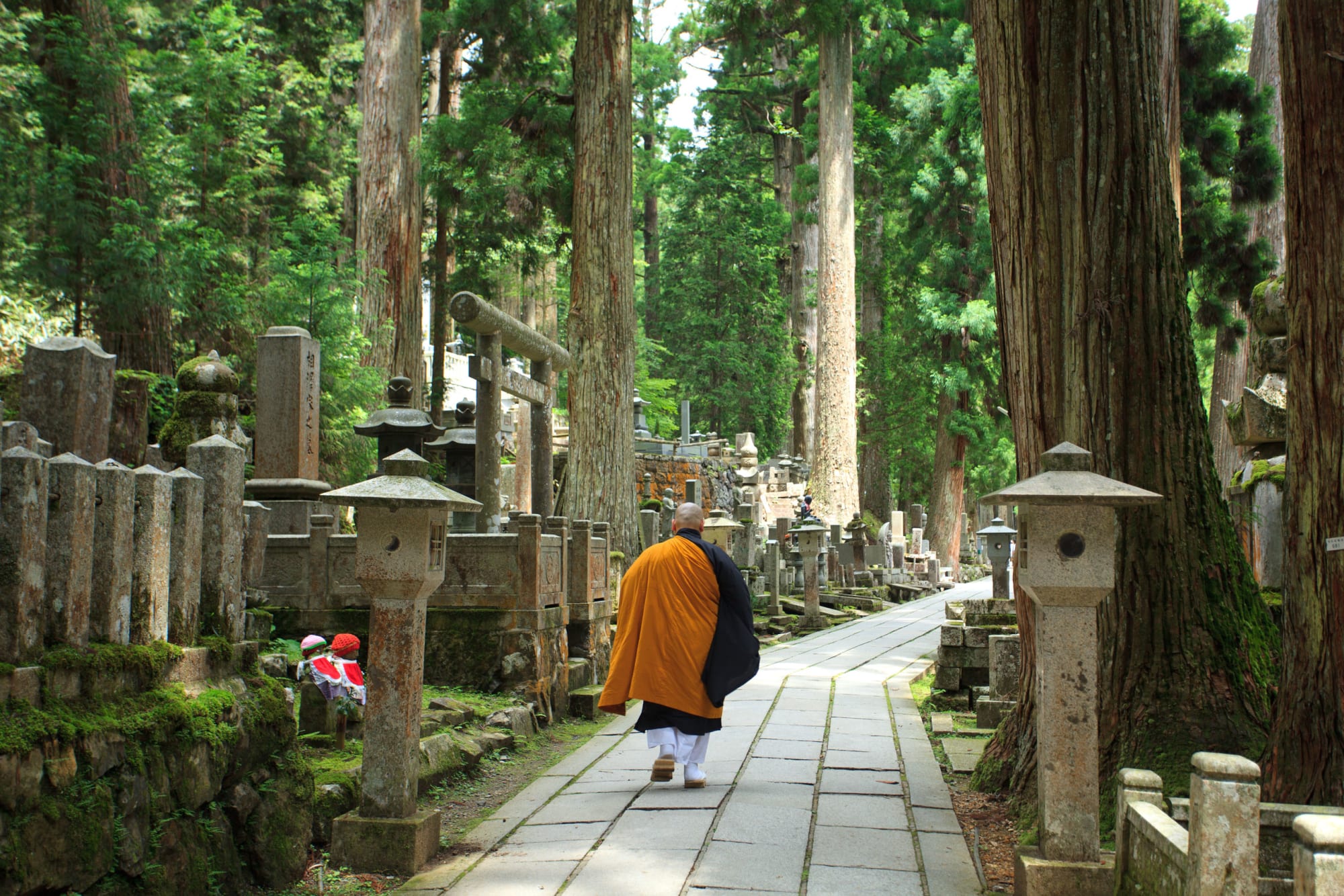
Sleeping in a temple means entering the rhythm of the house rather than installing your own. At Koyasan, dinner is the monks’ shōjin ryōri — no meat, no fish, sesame tofu and mountain vegetables — served early, on a lacquer tray, in your room. Waking comes before dawn for the morning office: cold incense, sutras recited, floorboards creaking under socks. The partitions are paper and the winter comes through the walls — that is the price of a night in a working monastery, not a shortfall in comfort. On the Dewa Sanzan the night is spent with a yamabushi, and the silence of the cedar forest begins at the door.
A former Nagasaki bank. A house inside a work of art
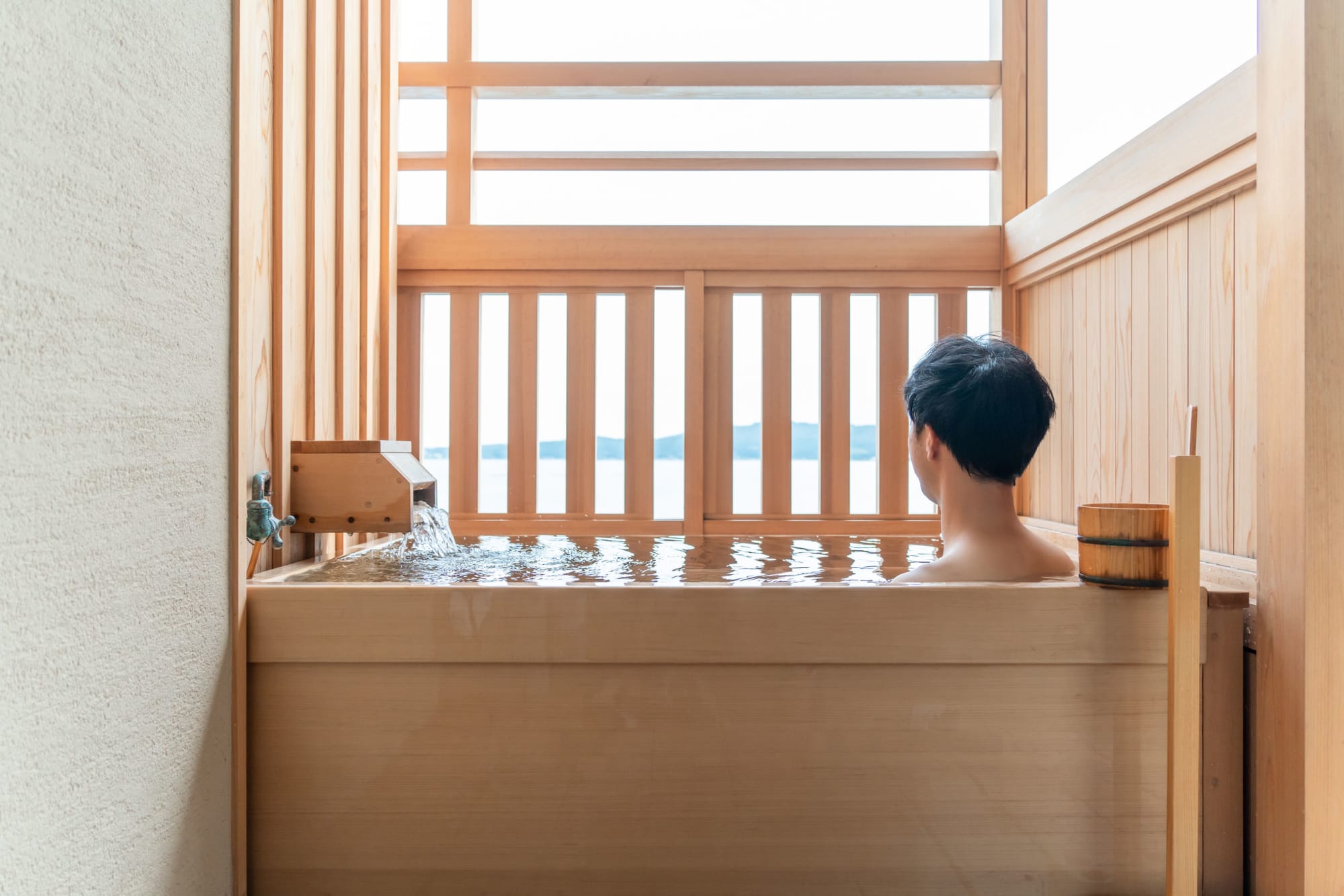
Sometimes the whole house is yours. A restored farmhouse on the Noto peninsula, four rooms, an open hearth and nobody else: the rice and the coffee are in the cupboard, and the fishmonger comes by in the morning. Elsewhere, a ryokan room with its own bath on the terrace, fed straight from the spring — you get in at two in the morning because nothing stops you. There is no reception, no room service, and the cleaning happens before you arrive and then not at all. We leave the keys, the name of a table ten minutes away, and the number to call if the hot water misbehaves.
The building is part of the collection
Houses of ten to twenty rooms, run by people who had one idea and held to it. A Kyoto machiya reworked by an architect who kept the blackened beams and put a hinoki tub in the old store room. A former Nagasaki bank turned into fourteen rooms, the safe door still on the bar wall. On Naoshima, a house where you sleep inside an artwork and turn the light off carefully. These are places with a point of view: the corridors are sometimes narrow, there is often no lift, and breakfast is served at a single table.
Well placed, well kept, no surprises
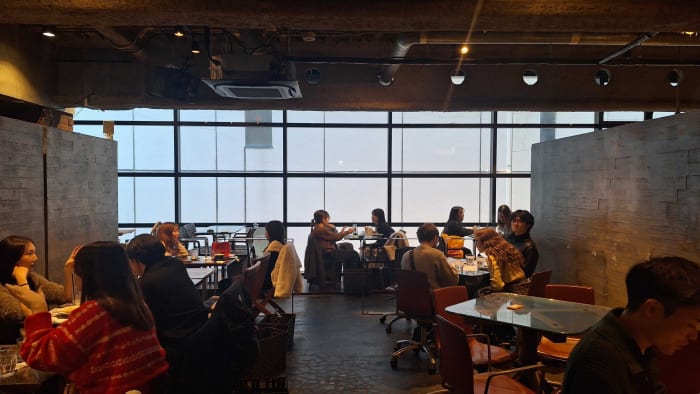
Some nights have only one job, which is to work: the evening before a seven o’clock shinkansen, the night a flight lands late, the third day of walking. The hotel is then a tool, chosen with the same attention as the rest — eight minutes from the station on foot rather than fifteen, a lift, a bathtub, a window that does not face the tracks. Many Japanese hotels have a large communal bath on the top floor, open until midnight, which beats a shower after a day of trains. Clean rooms, no particular character, and that is exactly right: the character is elsewhere in the journey.
Two hours further on. Far fewer people
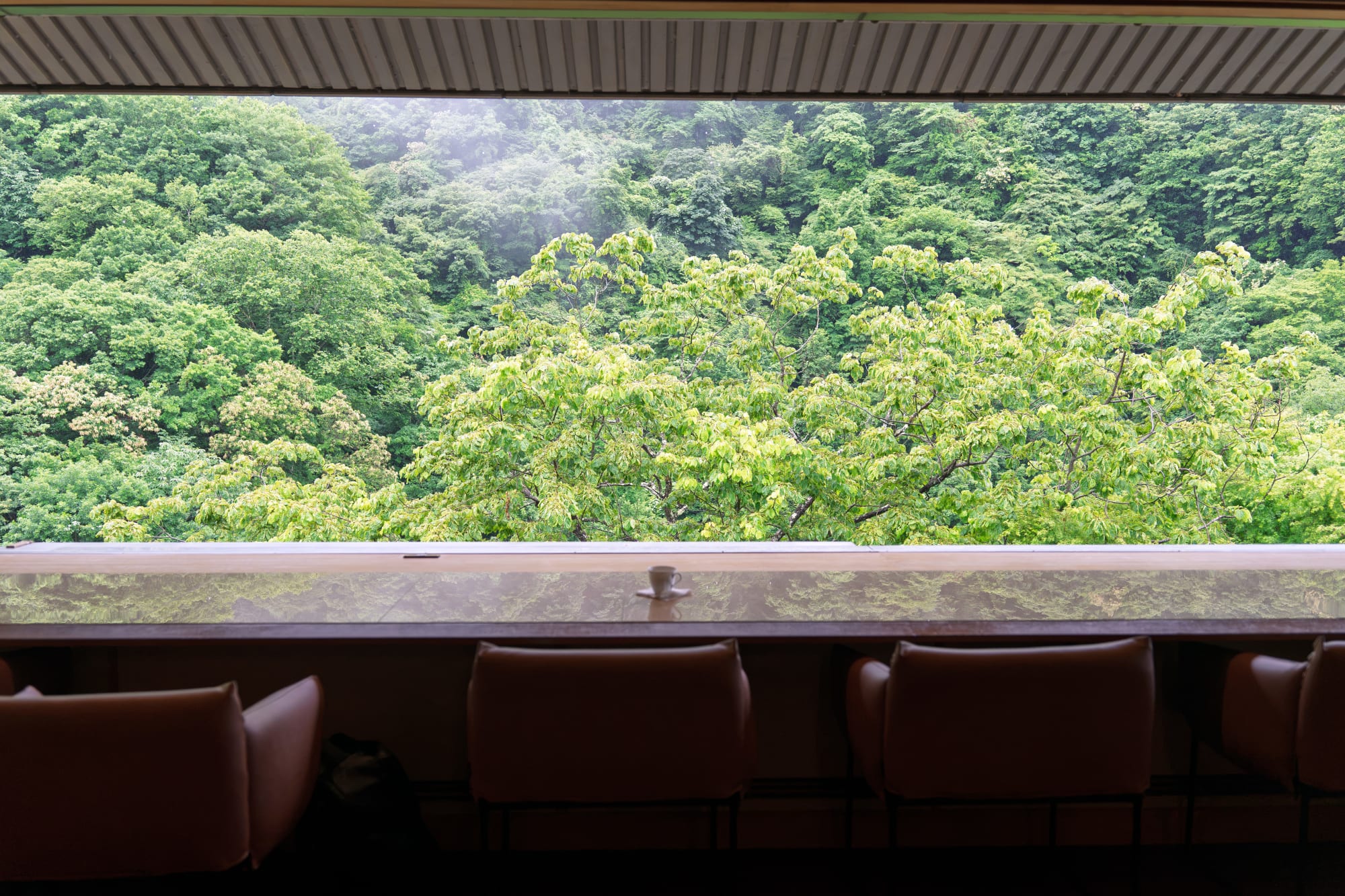
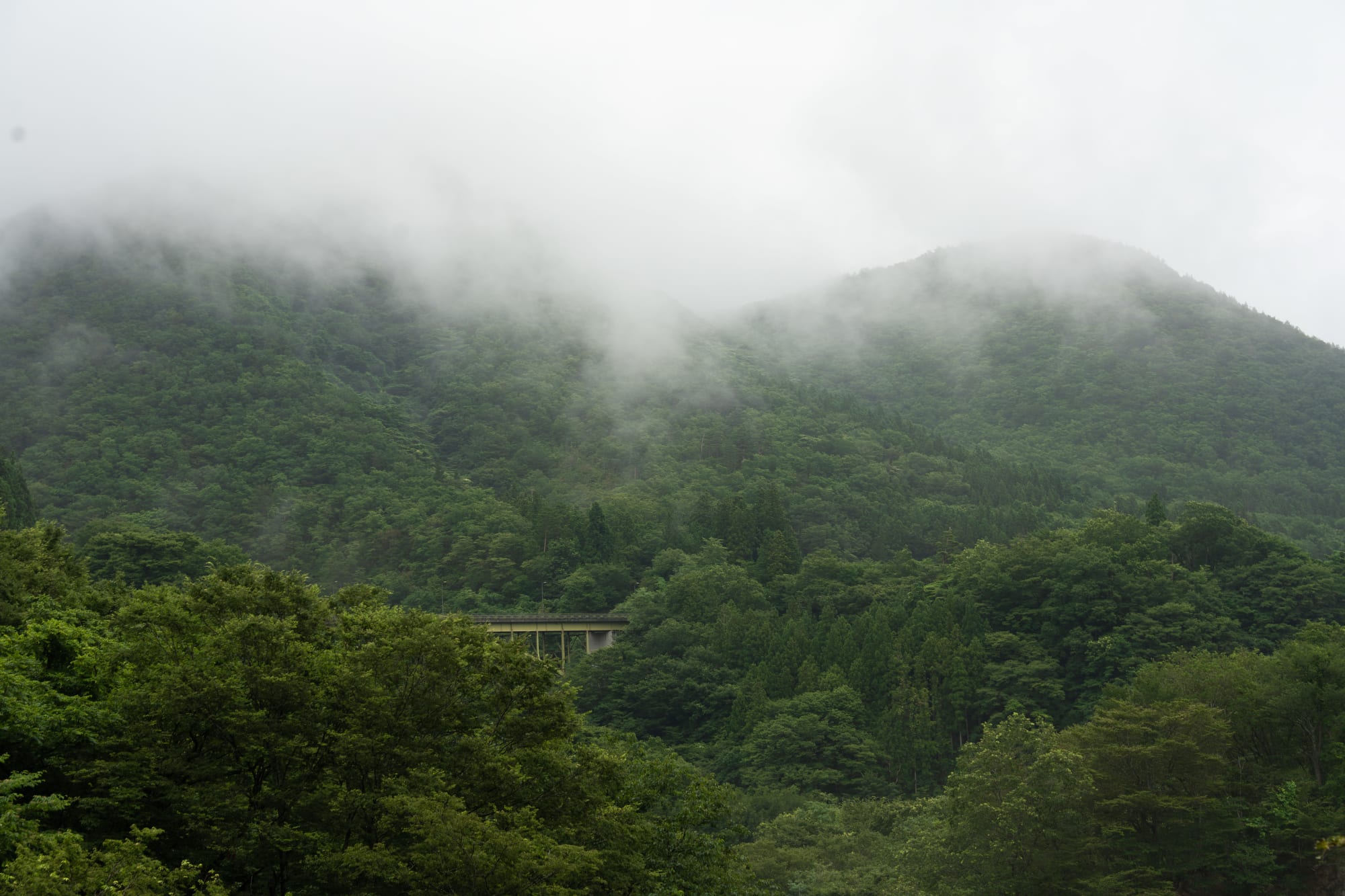
Some houses are paid for in road time. An inn at the end of a valley where the bus climbs three times a day and not after five. A hot-water hamlet at eight hundred and fifty metres, on its single road, where people have been bathing for seven centuries. An island in the Inland Sea with no convenience store, where dinner is the house’s or nothing. Signal comes and goes, the cash machine is in the town below, and the last ferry is at four — we tell you that beforehand, not on arrival. It is the price of a place where the only thing you hear at night is the river.
Our selection

Going further
None of these houses is booked on its own, and none of them is scenery: the night belongs to the day that came before it. Where you sleep, and in what order, is decided as the itinerary takes shape — a temple after a long walk, a plain hotel the evening before an early train. We alternate the kinds on purpose, because seven nights of tatami in a row start to look alike.
See the paths