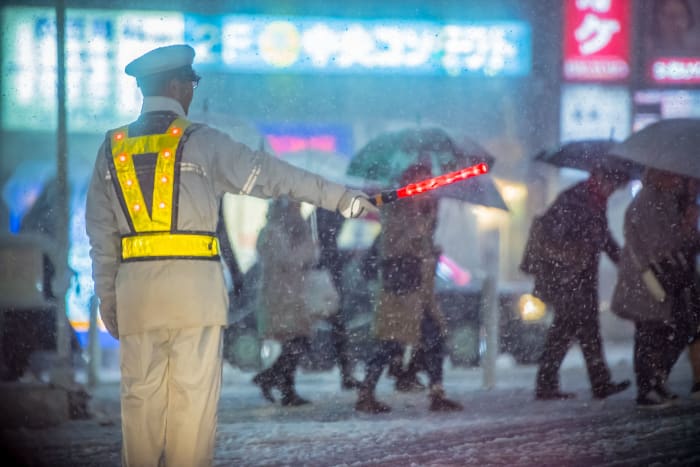
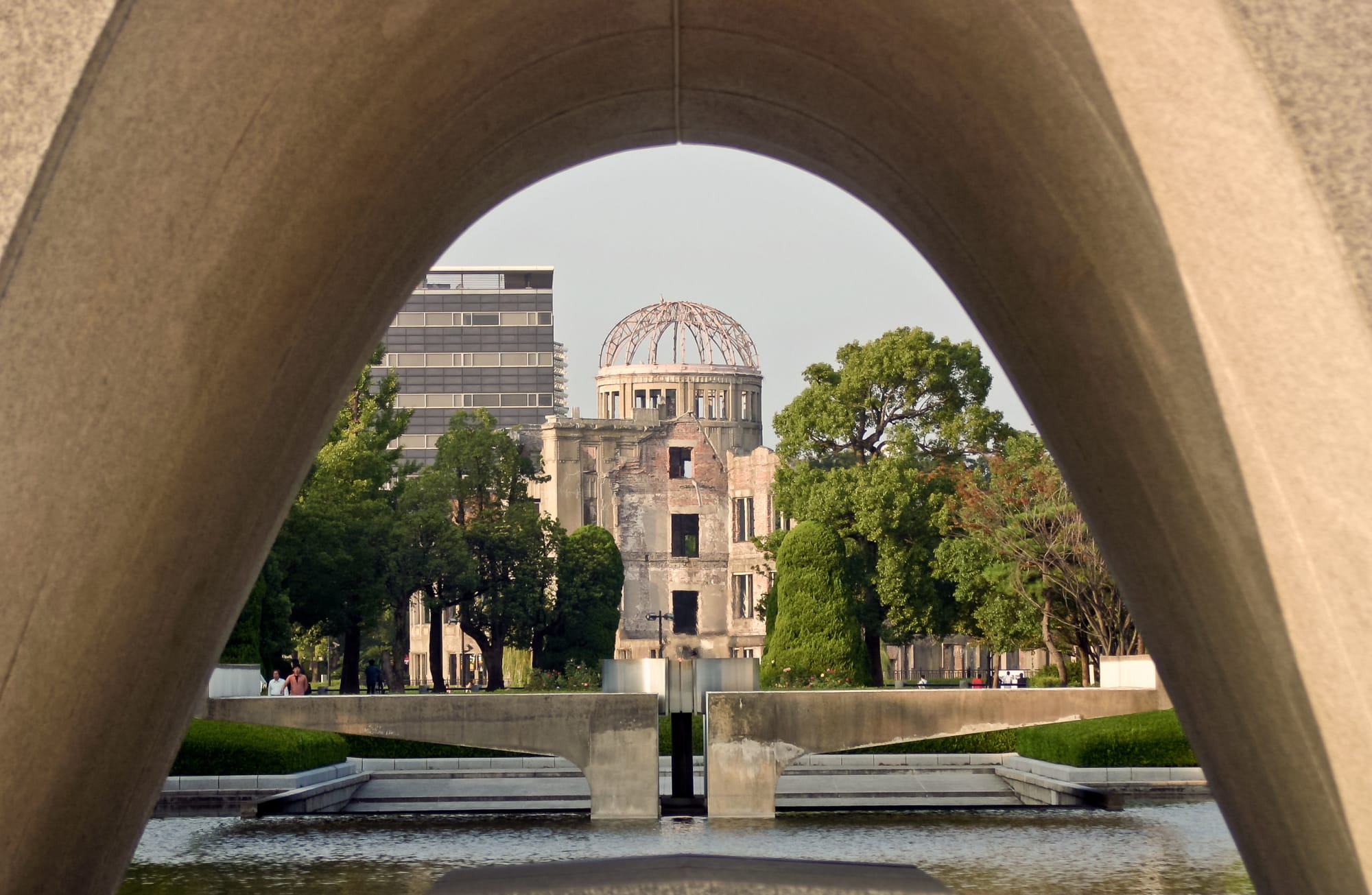
A little under two hours from Kyoto or Osaka and four hours from Tokyo, Hiroshima is a city we would build into any route through Japan.
Known for the tragedy that followed the atomic bomb, Hiroshima is a livelier and more cheerful place than its history suggests.
Whether or not history interests you, there is something here for you. Plenty of travellers leave the city off their itinerary. We think that is a mistake.
Here are our five reasons you will be glad you went:
Miyajima
The island of Miyajima, also called Itsukushima, is one of the places in Japan we return to. It sits about an hour from Hiroshima on public transport, so reaching it is straightforward.
That means two destinations from one hotel, with no need to move your bags.
For more on Miyajima, see our article on ten places worth the detour on a trip to Japan.
A city on a human scale
By area Hiroshima is about half the size of Tokyo. Its population is roughly ten times smaller.
Most of what visitors come for is walkable from the city centre. If your legs give out there are buses and trams, but you will not need them.
After hours in the Tokyo metro or on the buses in Kyoto, covering a whole city on foot is a relief.
Some things to see that have nothing to do with the war:
- Hiroshima Castle
- Shukkeien Garden
- Hiroshima Botanical Garden
One more thing: the city still runs some of its older trams, and they give the streets a character that is hard to fake.
The city of peace
Ninety-two per cent of Hiroshima was destroyed by the nuclear explosion and the fires that followed. Walk through the city today without knowing that, and you would never guess. It was rebuilt from the ground up and keeps few traces of its past.
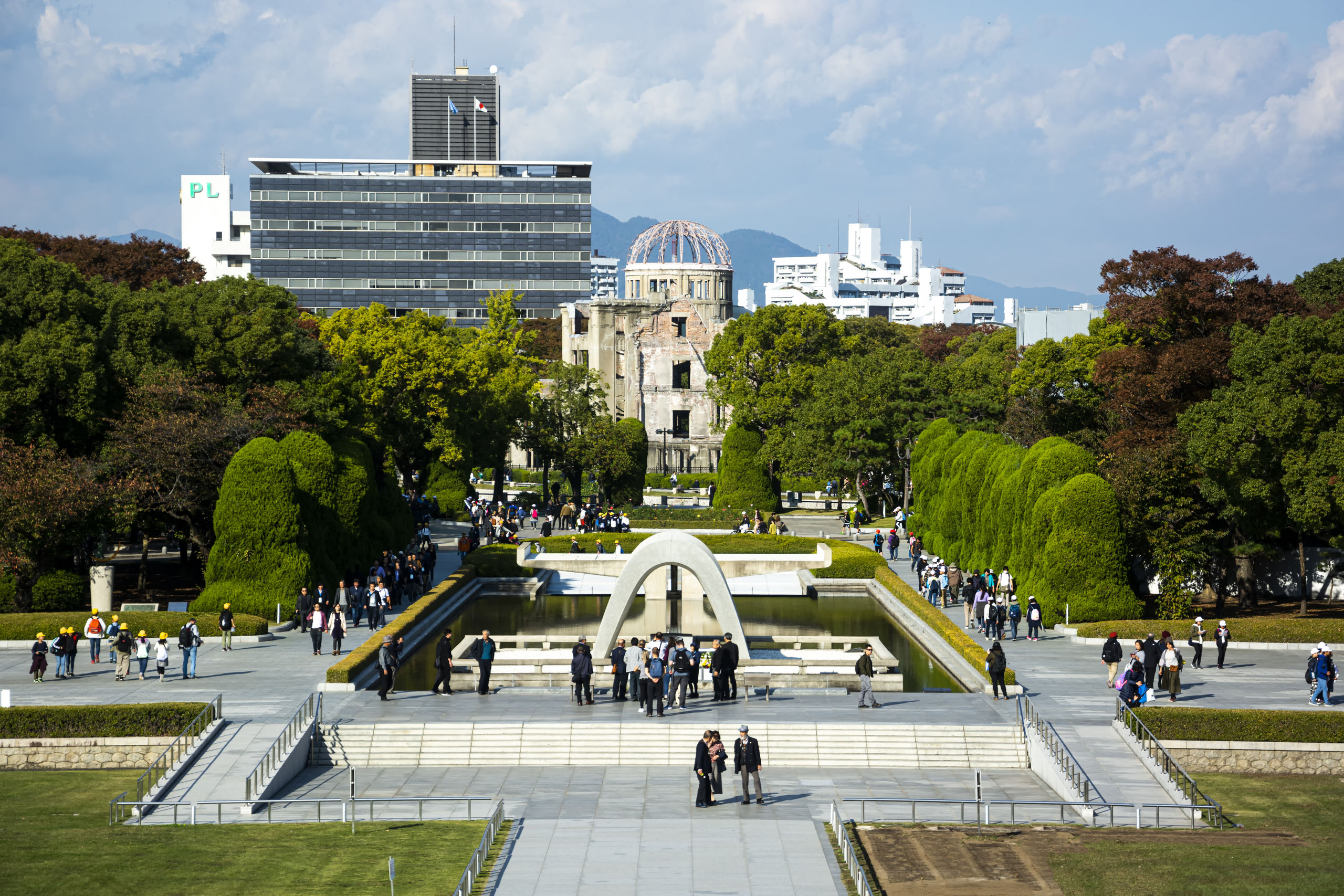
Hiroshima is now young, full of students, busy. Its residents and its politicians are set on making sure the history is not repeated. A number of monuments have been put in place so the rest of the world can remember and understand what happened here:
- Peace Memorial Park
- Flame of Peace
- Hiroshima Peace Memorial Museum
There is also a memorial to the Korean labourers who worked in the city’s factories for the war effort and were killed in the blast.
Beyond all that, the city has declared itself a City of Peace. Its aim is to teach the world about the dangers of nuclear weapons, and it backs a range of projects to make that argument heard.
Kagura
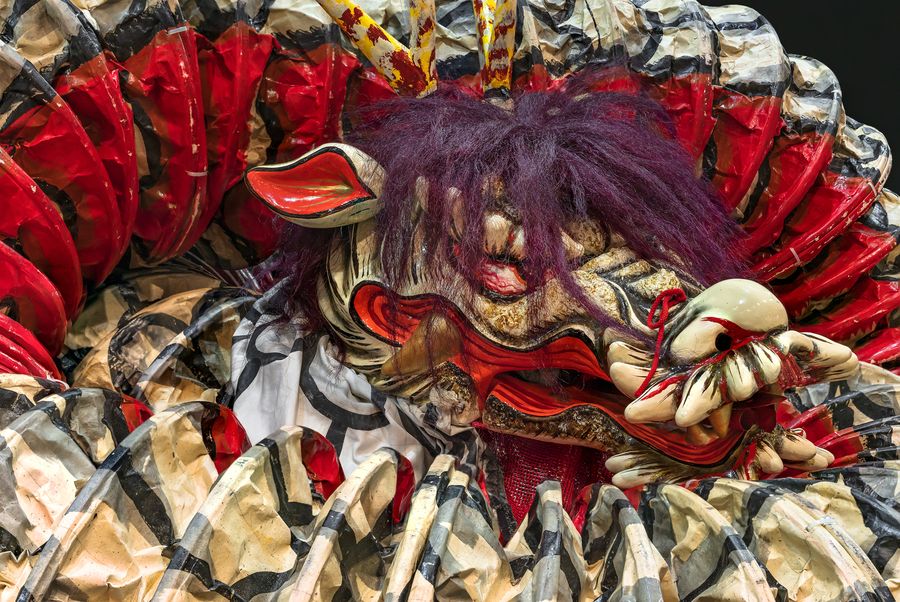
Kagura is a traditional dance performed at Shinto ceremonies. It developed mainly in the Chugoku region, where Hiroshima sits. Performances are rare elsewhere in the country.
The pieces stage key moments from Japanese mythology, such as the story of Susanoo no Mikoto and his fight with the eight-headed dragon.
The musicians play traditional Japanese instruments on stage. The actors are in costume, as human characters and as dragons (see the image below), and dance while reciting the lines.
The advantage of Kagura over Kabuki or Noh is that you can find performances set up for foreign visitors:
- The city of Hiroshima puts on “short” performances. At around an hour, the length suits anyone seeing Kagura for the first time.
- English subtitles are provided. Even with good Japanese the dialogue is hard to follow, since it is in old Japanese. The city’s performances carry English subtitles on screens set to the left and right of the stage, which makes the story much easier to hold on to.
- A pamphlet, also in English, is handed out at the start with the key things you need to know to follow what is happening.
The city normally holds a performance every Wednesday evening. See the 2024 calendar for details.
Price: 1200 yen per adult, with a 200 yen reduction if you buy your seat in advance.
Okonomiyaki
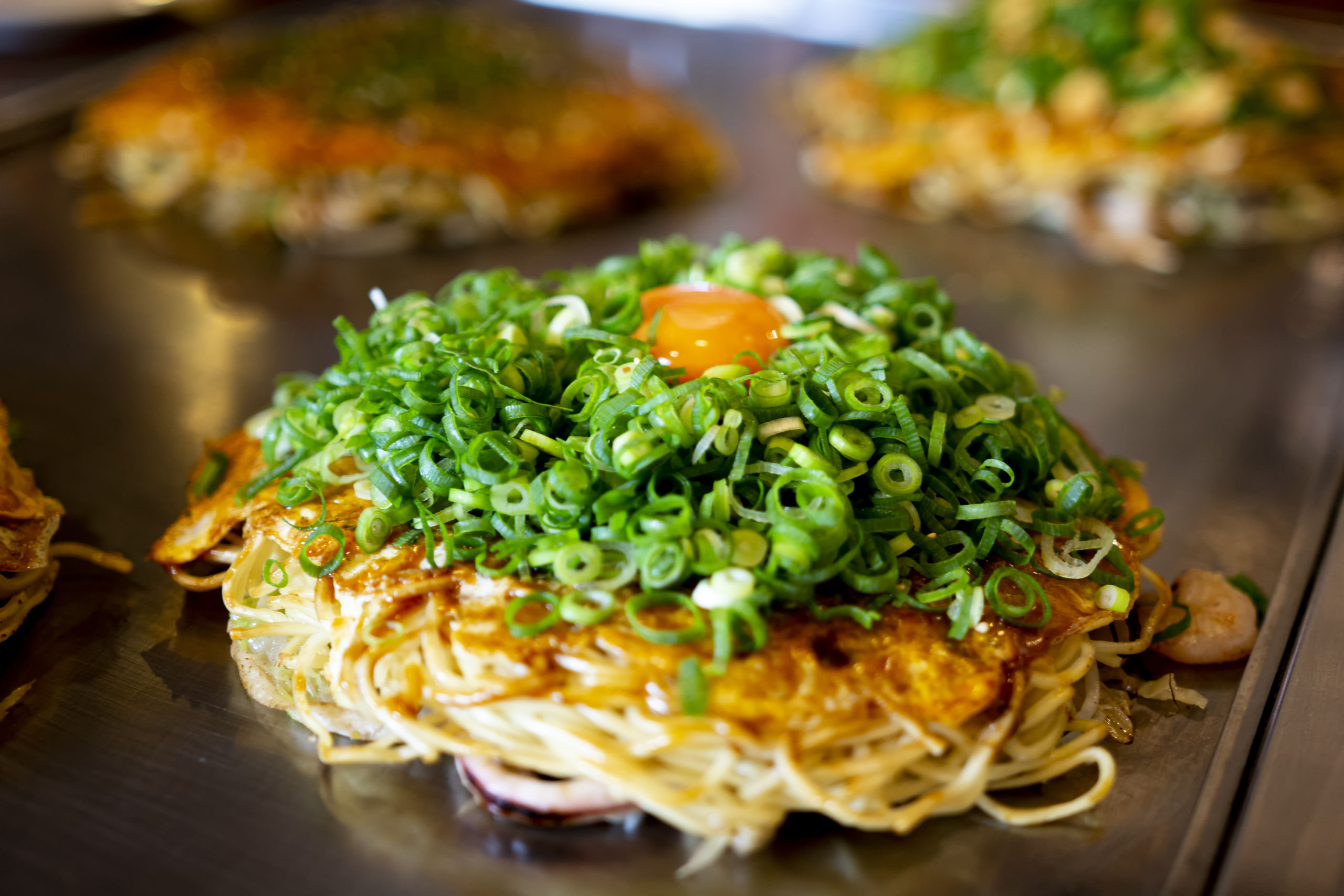
Hiroshima is the home of okonomiyaki “made in Hiroshima”.
The dish is something like a pancake stuffed with cabbage. The basic version comes with pork alongside, but you can build it as you like. Egg, prawn, whatever you fancy.
What sets the Hiroshima version apart is the noodles worked into the recipe, which makes for a substantial plate. You can pick between two kinds: yakisoba or udon. We would go for the yakisoba, which is what the traditional recipe uses.
Okonomimura is worth your time: a building of several floors filled with small okonomiyaki counters. Pick the one you like the look of, order from a long and usually customisable list, and watch the cooks work in front of you.