Japanese castles are a central part of Japanese culture. Their architecture sits at the opposite end from anything European, and they are the surviving trace of the warlike past of feudal Japan and its samurai.
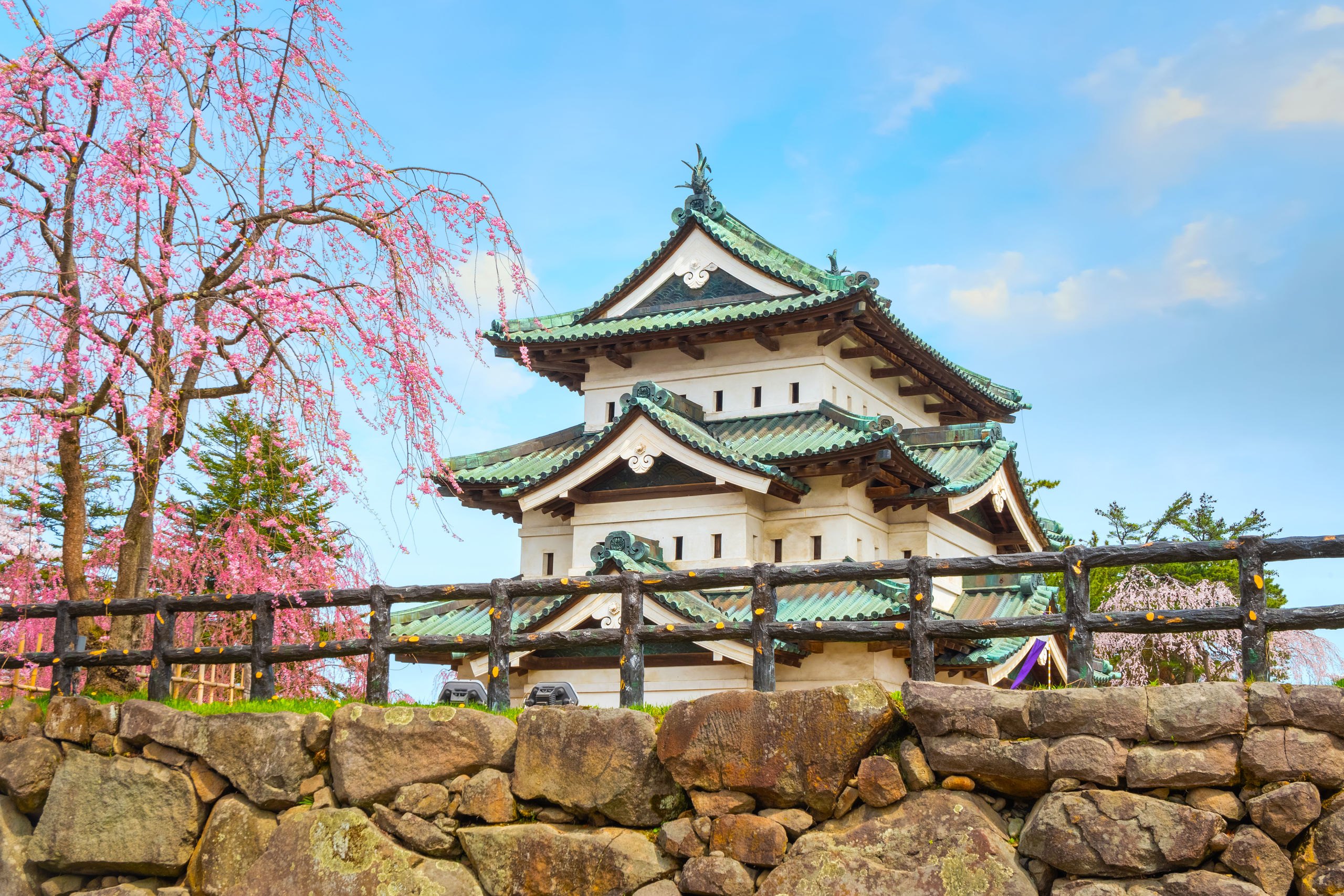
A pillar of medieval Japanese culture, the castle was above all a fortress, and a good number were built during the Sengoku period, known for its political instability.
Early castles were put up on mountain tops, where the terrain itself did the defensive work. Climbing a mountain was punishing for enemy troops, and it left them easy to spot.
Lords and their courts did not live in these castles. They barricaded themselves inside when fighting broke out and went back to living at the foot of the mountain in peacetime. Castles also served as the seat of government and of the army, and as residences for the daimyo.
The main building of a castle, the central tower or keep, is called the Tenshu. The first Tenshu appeared in the 16th century with Azuchi Castle, built in 1579 by the lord Oda Nobunaga, who wanted the place to be both a fortress and a manor house.
At the same time, advances in building large stone walls and in artificial natural defences made a new kind of modern castle possible. These were no longer set on mountains but on low hills or on flat ground, because their high stone walls gave a clear view of an enemy approaching from a distance. With the arrival of firearms, stone also kept fire from spreading through a timber structure. The outer works often included moats, sometimes filled with water and sometimes dry.
Over time castles grew more lavish and more extravagant, as a way of showing the power and the wealth of their lords.
Around 200 castles remain in Japan today. Bombing during the Second World War and natural disasters destroyed a great many, which were then rebuilt. Of those 200, only 12 are original.
Himeji
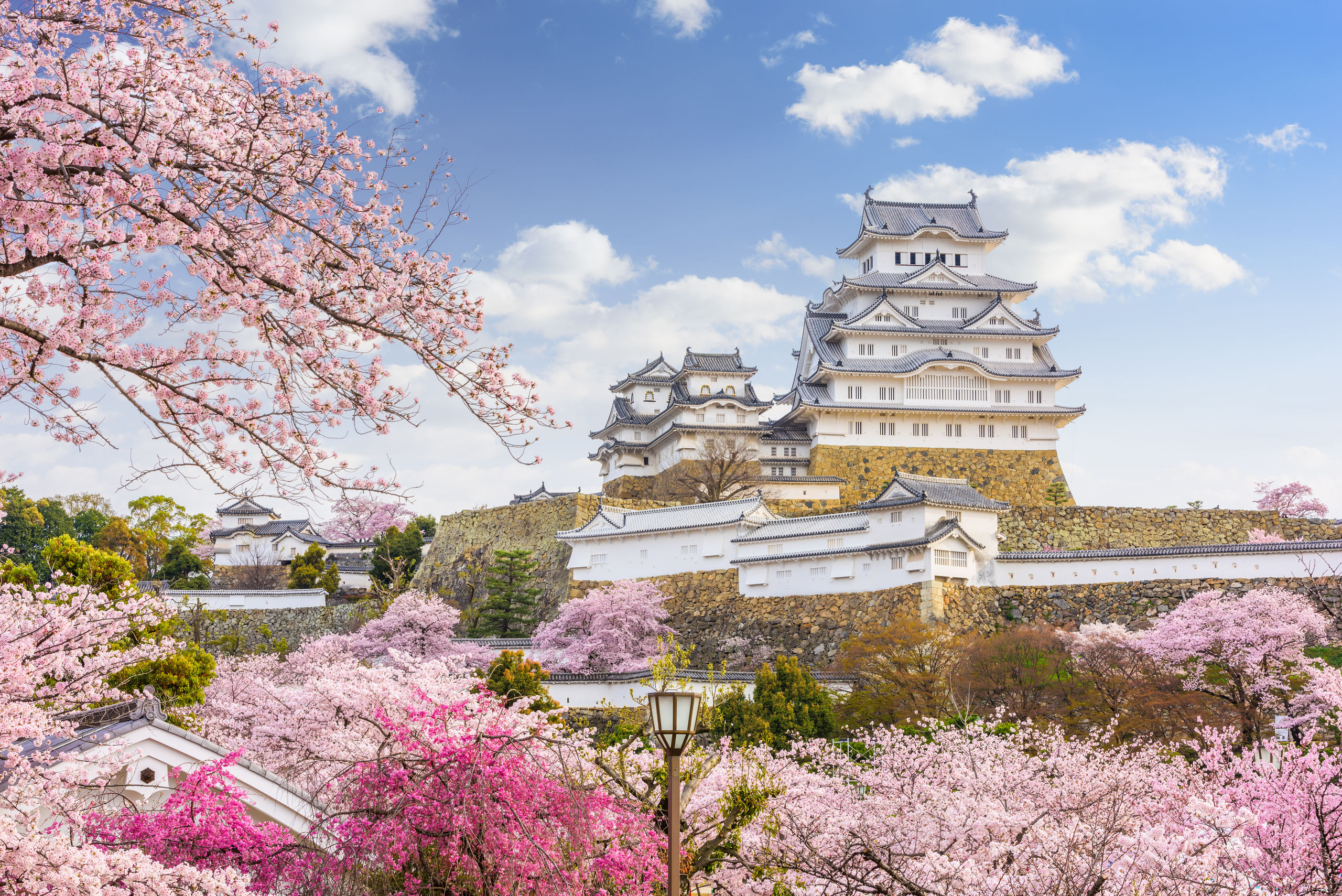
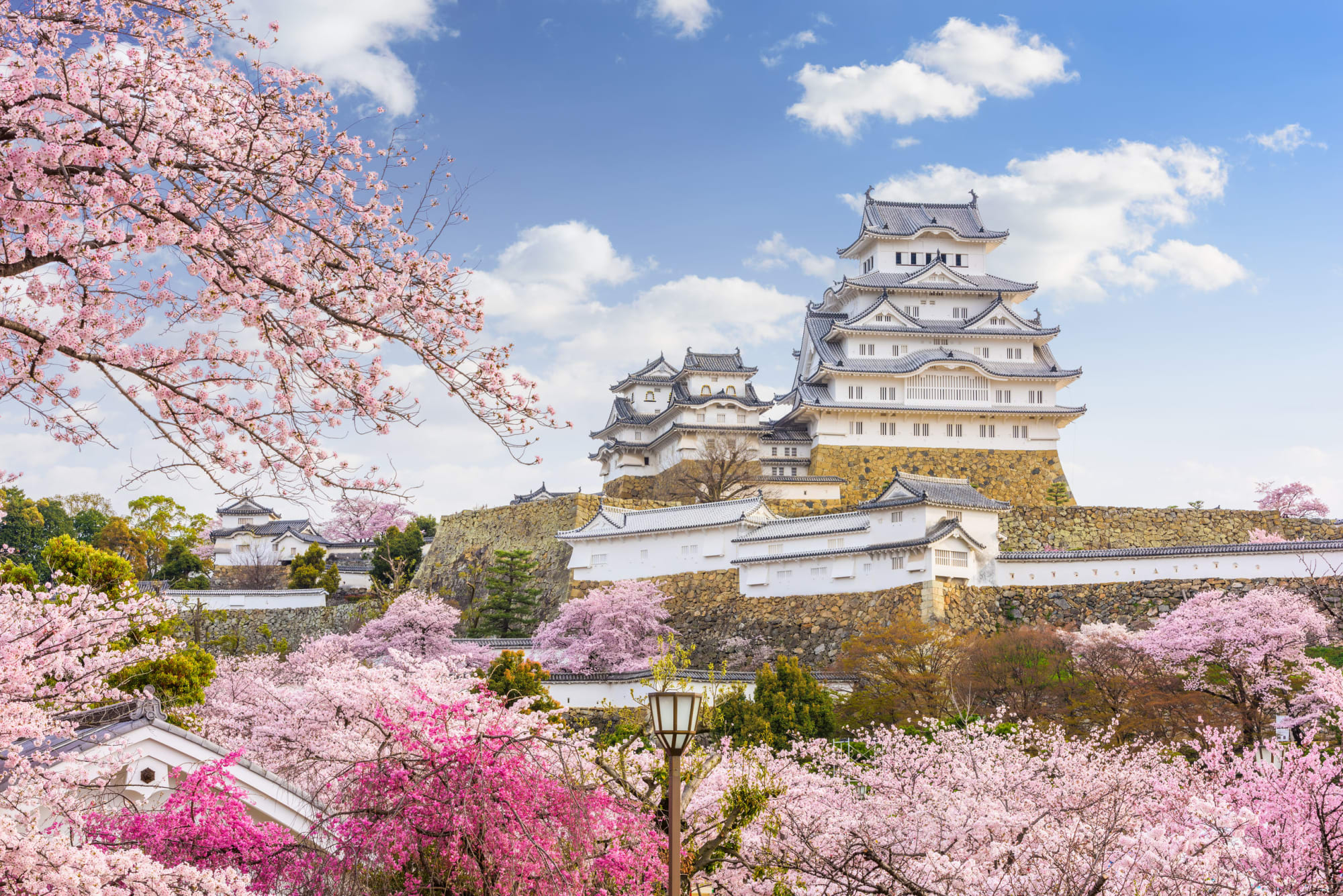
Also known as the White Heron Castle, Himeji is held by many to be the finest in Japan. It is one of the 12 originals and has never been destroyed. It is worth the detour. You do not need to stay the night either: if you are taking the train from Kyoto or Osaka down to Hiroshima, simply break the journey at Himeji for a few hours and go and look at it.
Matsumoto
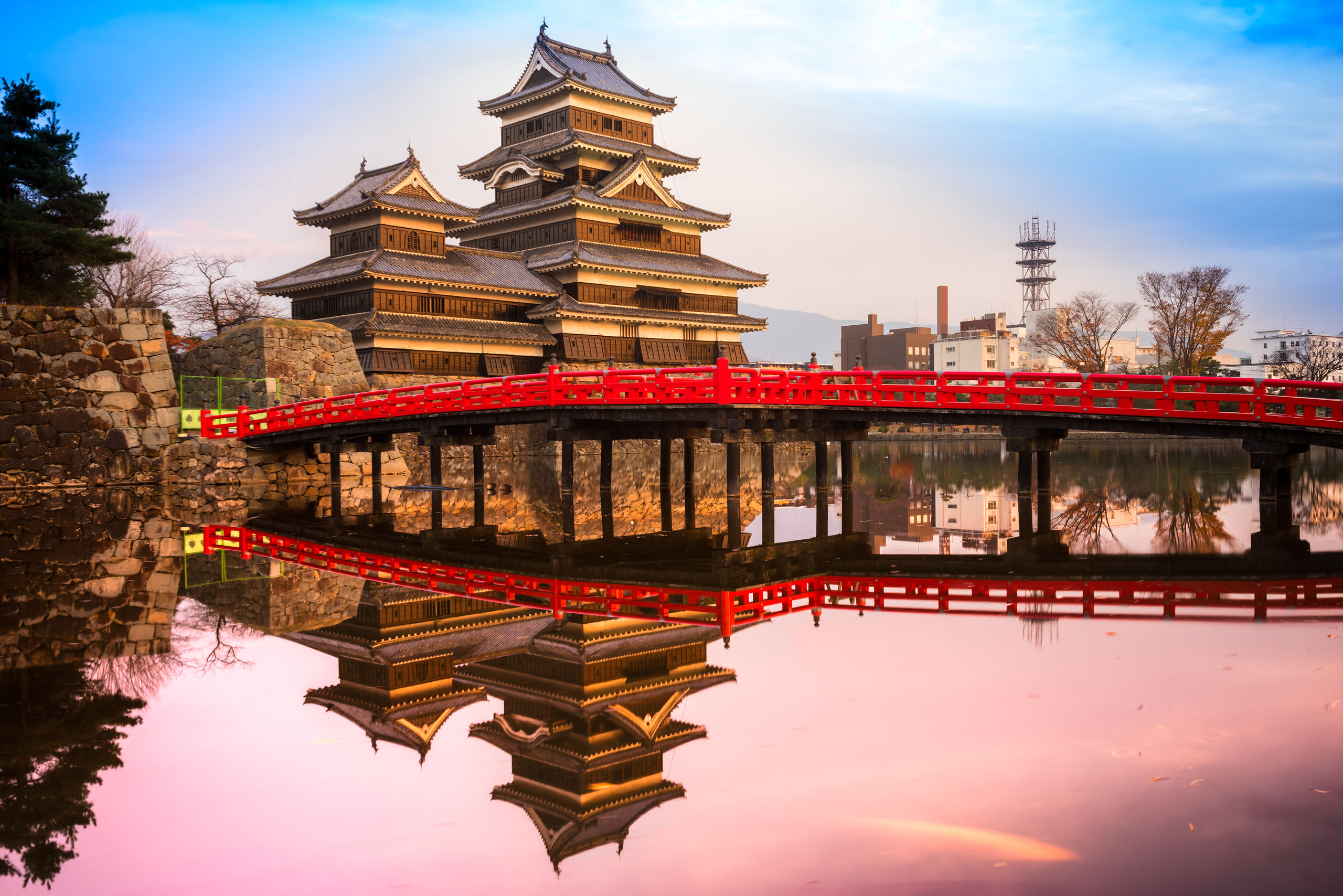
Matsumoto is another of the best known castles in Japan and, like Himeji, one of the 12 never destroyed. Its all-black surface is often set against the white of Himeji, which gives it a completely different character. We particularly recommend Matsumoto to walkers, who can carry on there after hiking the Nakasendo.
Osaka
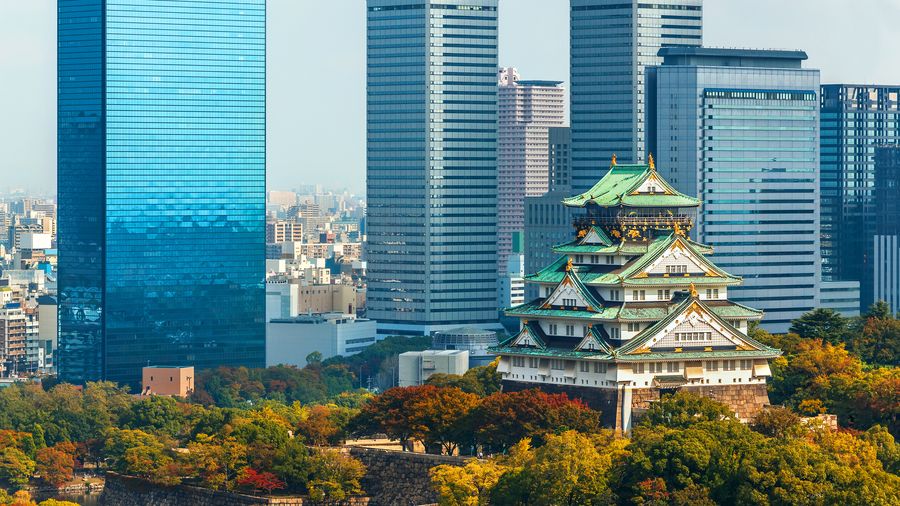
Osaka Castle may not be among the 12 that survived intact, but it remains one of the best known, thanks to where it stands. In the centre of Osaka and less than an hour from Kyoto, it is easy to see, museum included, on a stop in the Kansai capital.
Hiroshima
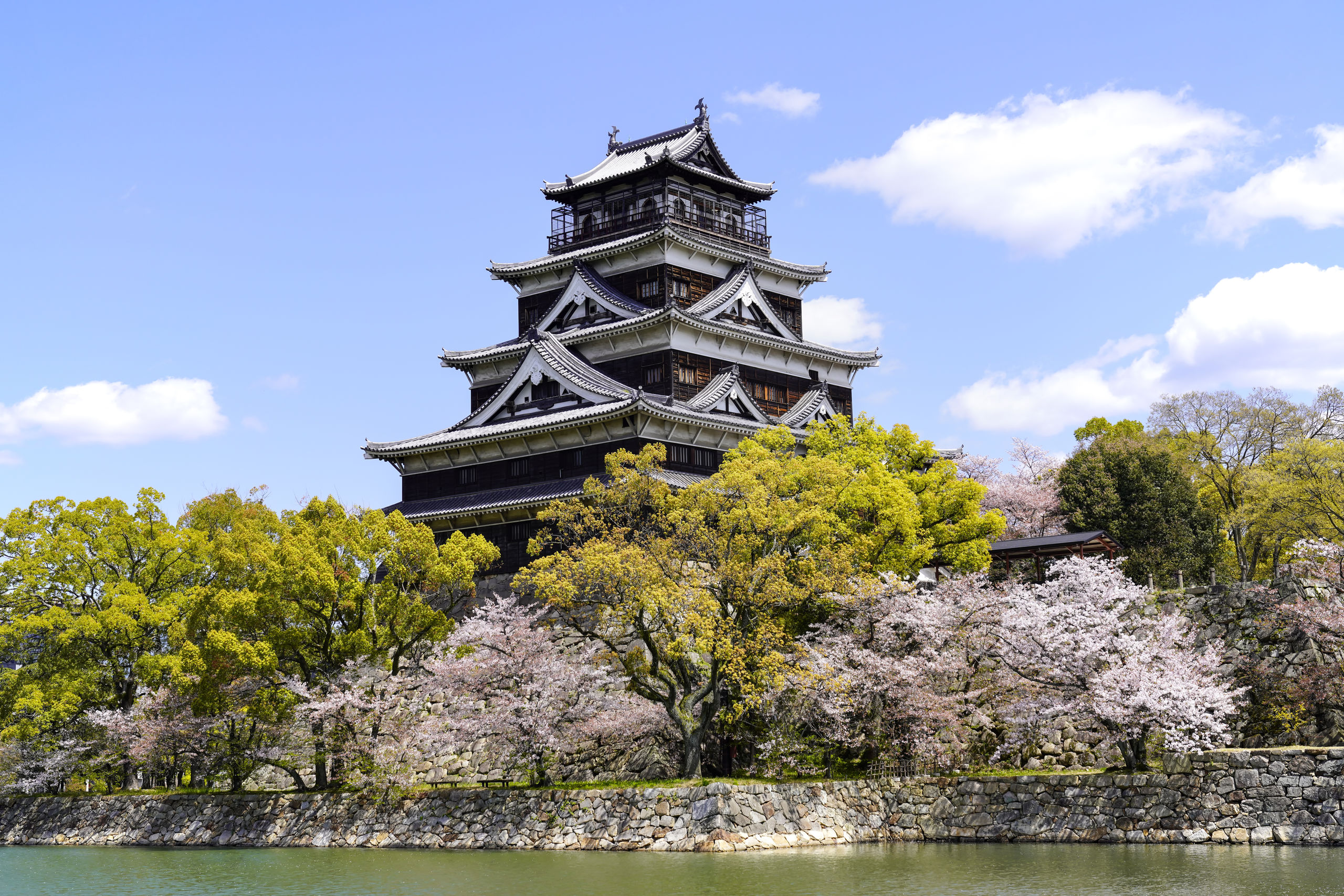
As you would expect, Hiroshima Castle is not original: it was destroyed in the bombing of the city in 1945. It is still a handsome castle, in a city that treats visitors well and gives them plenty to do. And you could take both in one trip, Himeji first and then Hiroshima.
A small tip for anyone sleeping in Hiroshima: the castle is a good sight at night, so walk back round it after sunset.