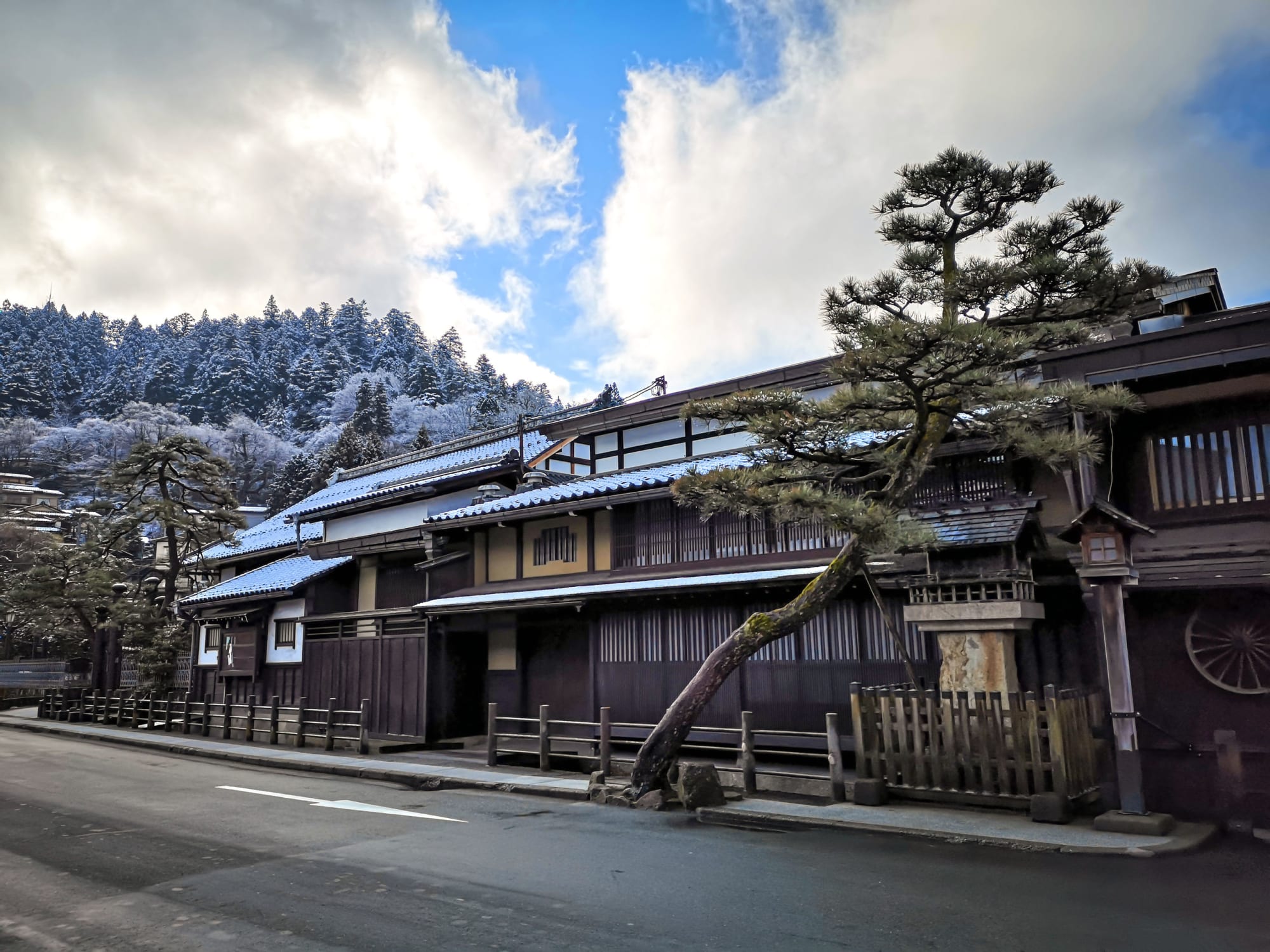
If you want your trip to Japan to include something closer to the country itself, a night in a ryokan — a traditional inn — belongs in the plan.
Staying in a ryokan is a way into Japanese tradition and hospitality rather than simply a bed for the night. Whether you have travelled in Japan many times or none, it is worth doing at least once. You will also appreciate the hot baths, which loosen the muscles a trip tends to punish.
These places offer more than accommodation: they open onto Japanese daily life and regional cooking. Most will also let you try an onsen, the thermal baths the Japanese hold dear.
How much ryokans vary
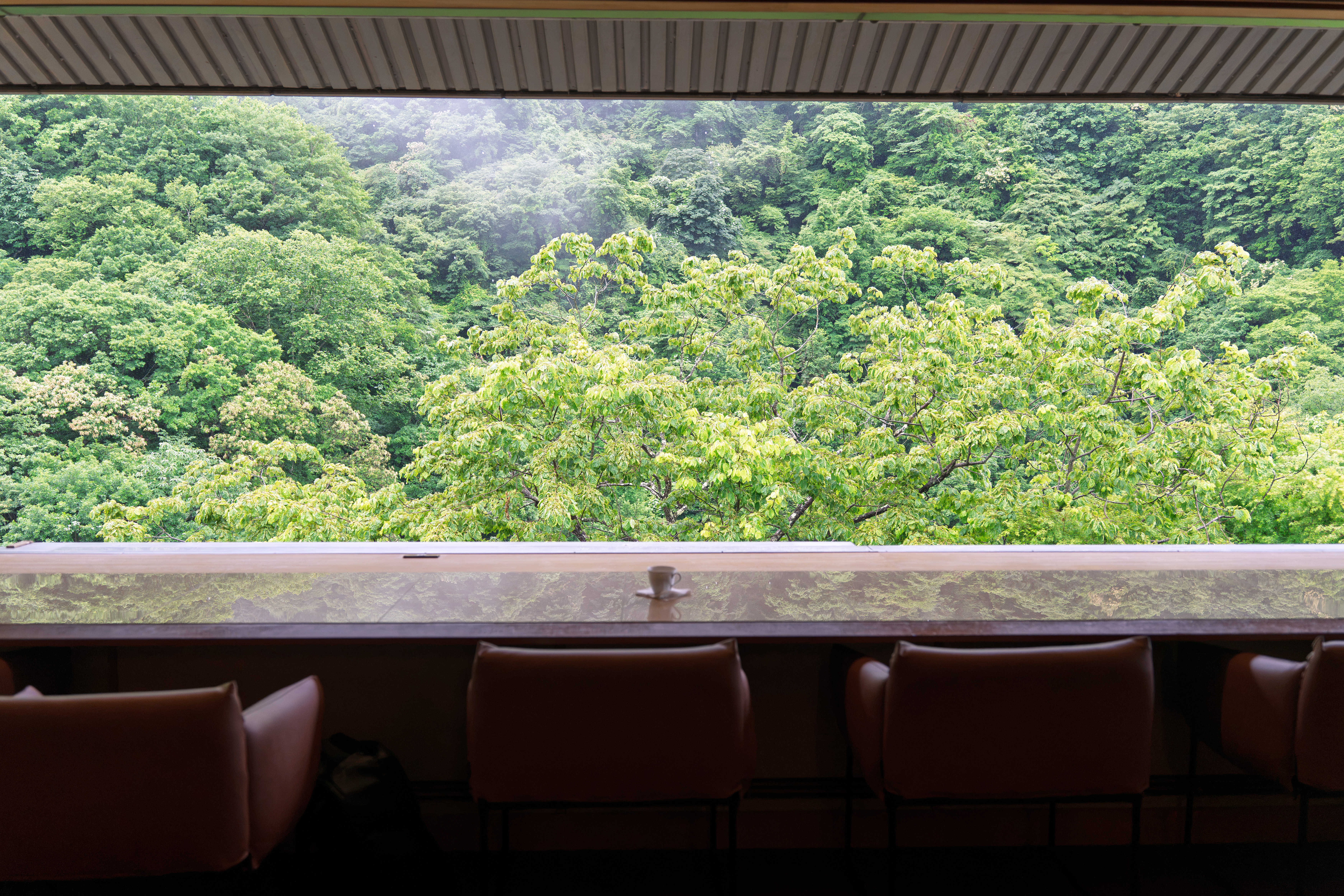
Japan has ryokans in abundance, ranging in style from the modest family-run inn to the large hotel complex. Each is different, and prices vary widely. Some ryokans are very affordable, from 4,000 yen per night per person, while the higher-end places cost more than 50,000 yen per person, meals included. A mid-range budget sits at around 15,000 yen per person per night.
Booking your stay
Booking a ryokan has become straightforward thanks to the many online booking sites. It is worth knowing, though, that most ryokans charge per person and not per room. Some also do not accept solo travellers, so check before you book.
If you would like help booking your ryokan, get in touch and ask us for a quote: our team can build the whole trip for you.
Arriving and settling in
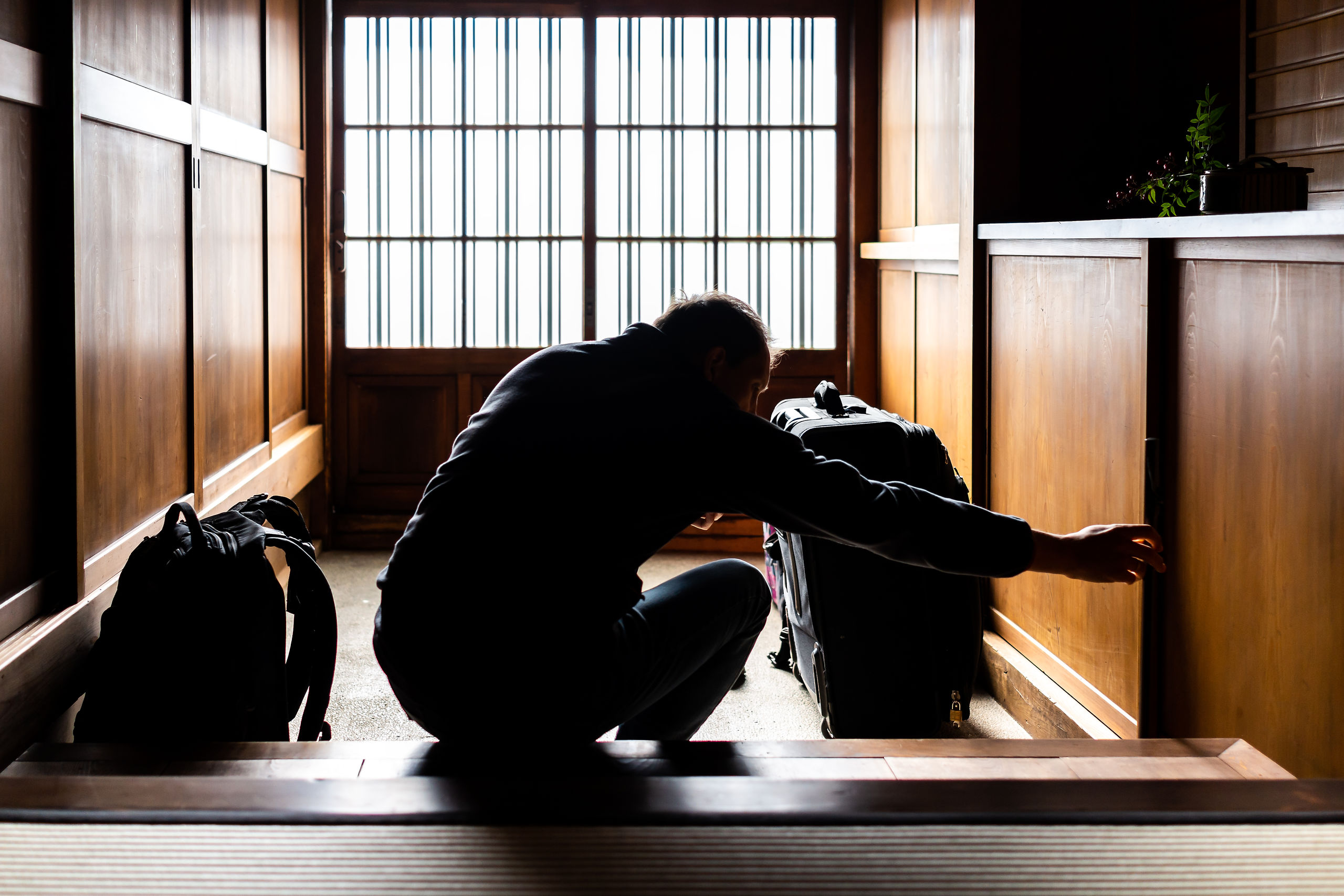
When you arrive at a ryokan you will be welcomed warmly by the staff, some of whom may speak English. Before going in, it is customary to take off your shoes and leave them in the genkan, the entrance. Wear socks — clean ones, and without holes.
Try to arrive around 5pm: dinner is often served early. That gives you time to settle into your room and, why not, take a bath before the meal.
The rooms
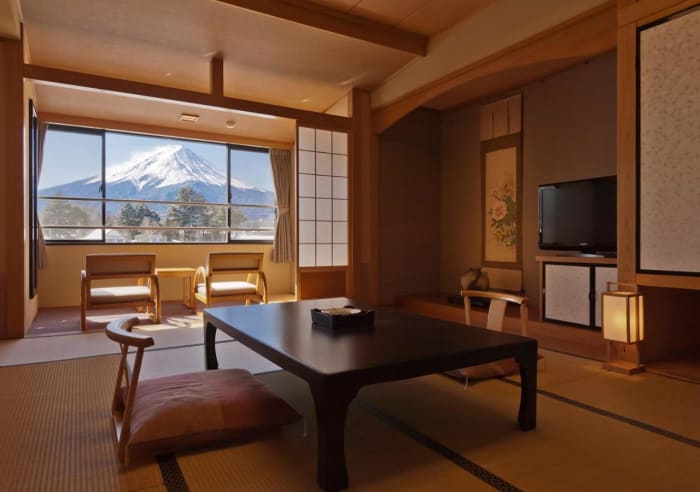
Ryokan rooms mix modern comfort with Japanese tradition. You will find tatami on the floor, futons to sleep on, and yukata (light kimono) to wear during your stay.
Everything you need for washing is provided.
Ryokans have baths fed by natural hot springs, which makes for a particular kind of rest. Some rooms have a private bath attached. Others have neither shower nor bathtub, and you wash in the shared bath.
Depending on the place, these baths may be onsen — natural hot springs — or sento, filled with running water.
For the full traditional version, choose a ryokan with an onsen. You then get the thermal water itself, and what it does for the skin.
Traditional meals

Meals in a ryokan are where Japanese cooking is at its most deliberate. Kaisekidori, meals made up of many small dishes, put local flavours and ingredients forward. Eat in your yukata; it adds to the experience.
Breakfast is very often a traditional Japanese breakfast: fish, miso soup, vegetables. It is substantial, so allow enough time to eat without rushing.
Leaving
Check-out at a ryokan is generally around 10 in the morning. Although many now take credit cards, some still prefer cash. It is worth checking how they want to be paid before you leave.