
Map
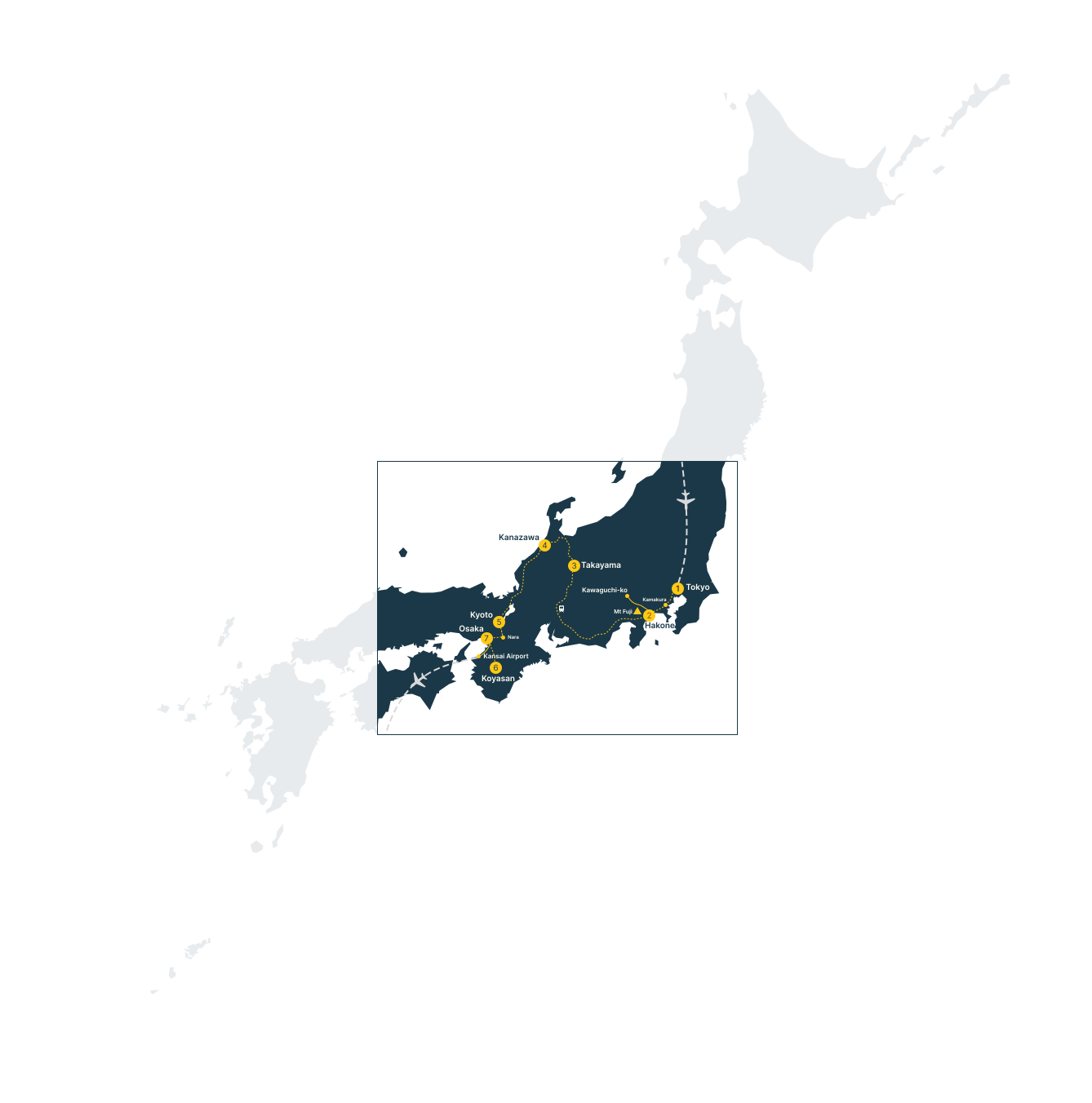
Itinerary
Day 1 - Tokyo
One of our English-speaking guides meets you in the arrivals hall and takes you to your accommodation by public transport — about 45 minutes, and your first reading of how the city moves.
The first evening asks little of you. An izakaya, sliding door, a counter of worn cedar, plates arriving one at a time: it is where Tokyo eats after work, and the easiest way to let the time difference settle.
Day 2 - Tokyo

Today is for the Shitamachi — literally the low city, the flat ground by the river where merchants and craftsmen lived, in plain contrast with the smarter districts along the Yamanote line, once the ground of nobles and lords.
You walk Ueno and Asakusa with your English-speaking guide, where contemporary shopfronts stand next to workshops that have not changed hands in four generations. It is the walk that explains why Tokyo reads as thirty small towns rather than one city.
Day 3 - Tokyo
Start early, while the commuter tide is still building. The hour between six and eight is the most honest look at how the capital runs.
Then the day belongs to TeamLab Borderless. The rooms have no fixed walls: the projections spill from one space into the next and respond to where you stand, so no two visits leave the same impression. Allow three hours, and expect the children to ask for more.
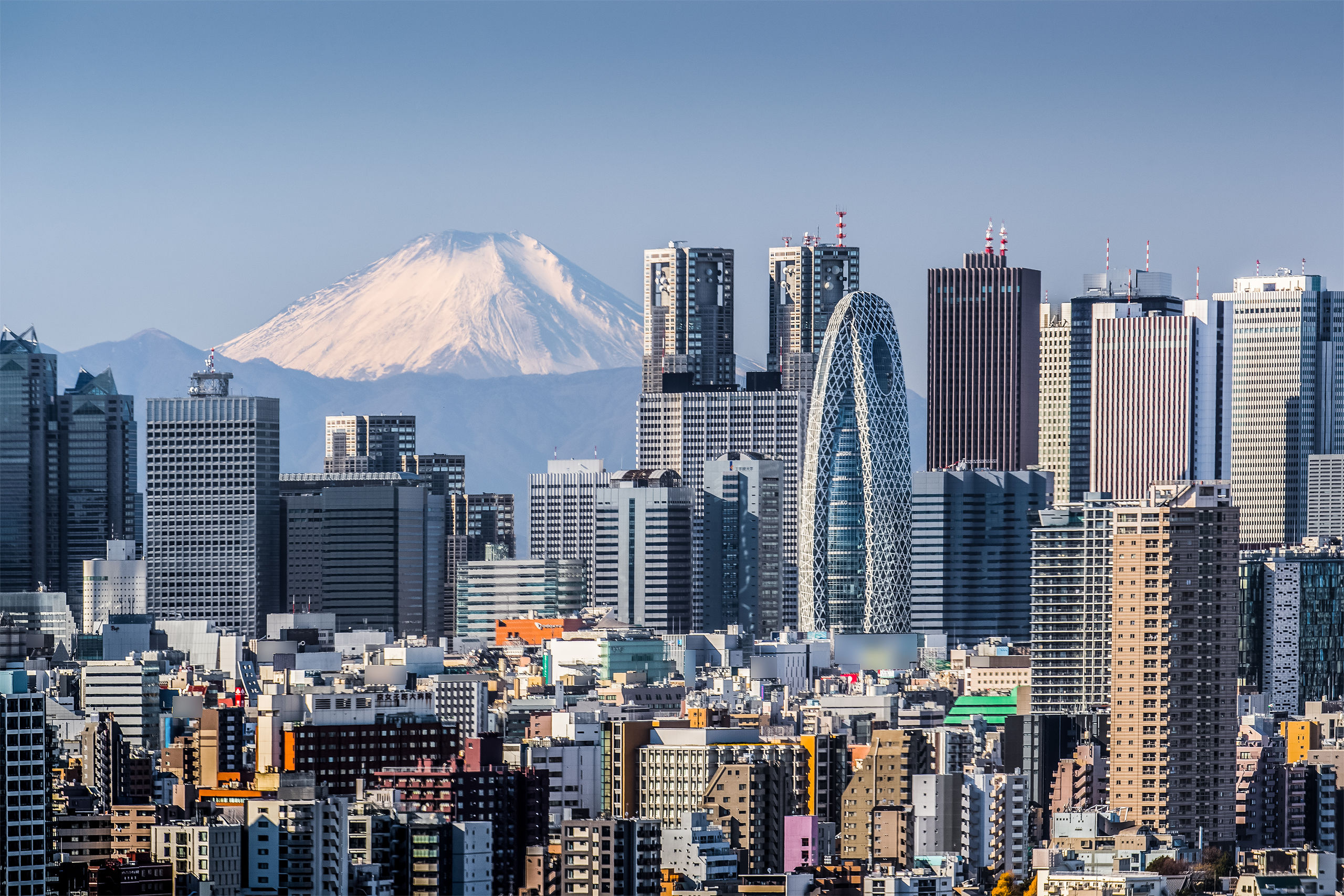
In the afternoon, walk from Harajuku, where the teenagers set the dress code, to the neon at Shinjuku. Two neighbourhoods twenty minutes apart with almost nothing in common.
Eat as you go — street stalls, a standing noodle counter, a department-store basement. The food is part of the route rather than an interruption of it.
Day 4 - Tokyo
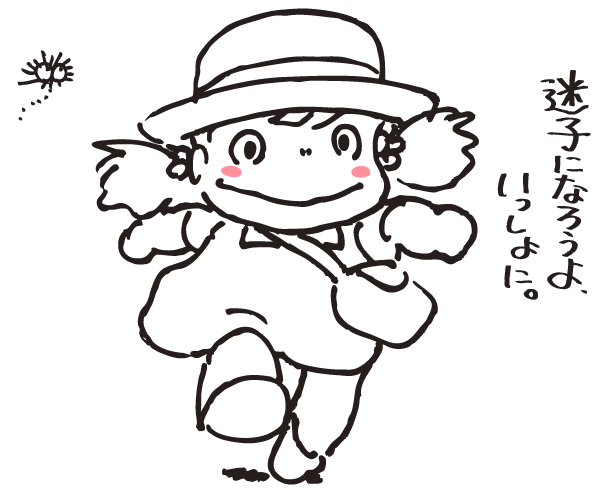
Today belongs to the Ghibli Museum * in Mitaka. Hayao Miyazaki designed the building himself and it shows: stained glass, a spiral staircase, a rooftop robot from Laputa, and a small cinema that screens short films shown nowhere else. Photography is not allowed inside, which is part of why the rooms stay quiet.
Tickets subject to availability
Day 5 - Tokyo
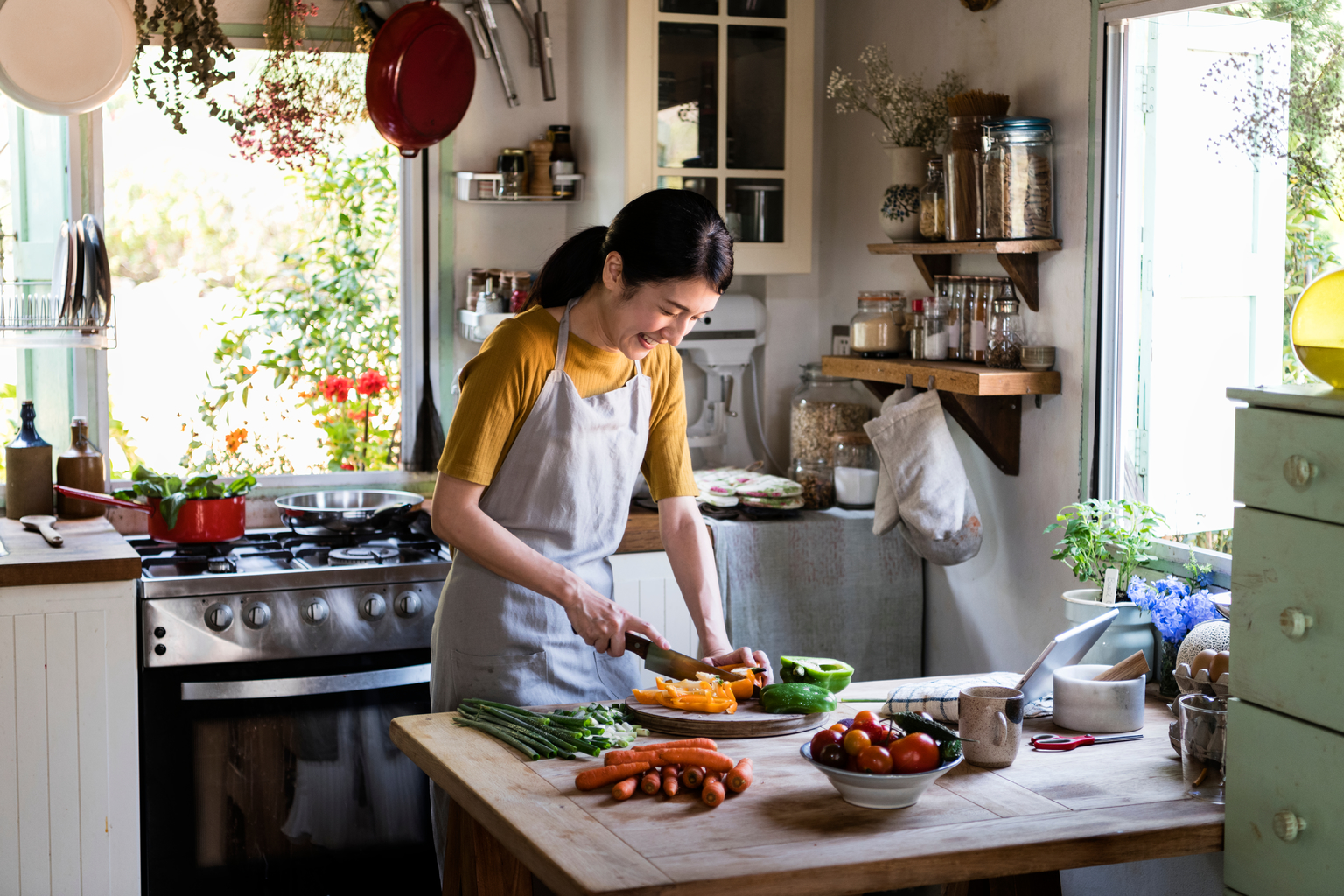
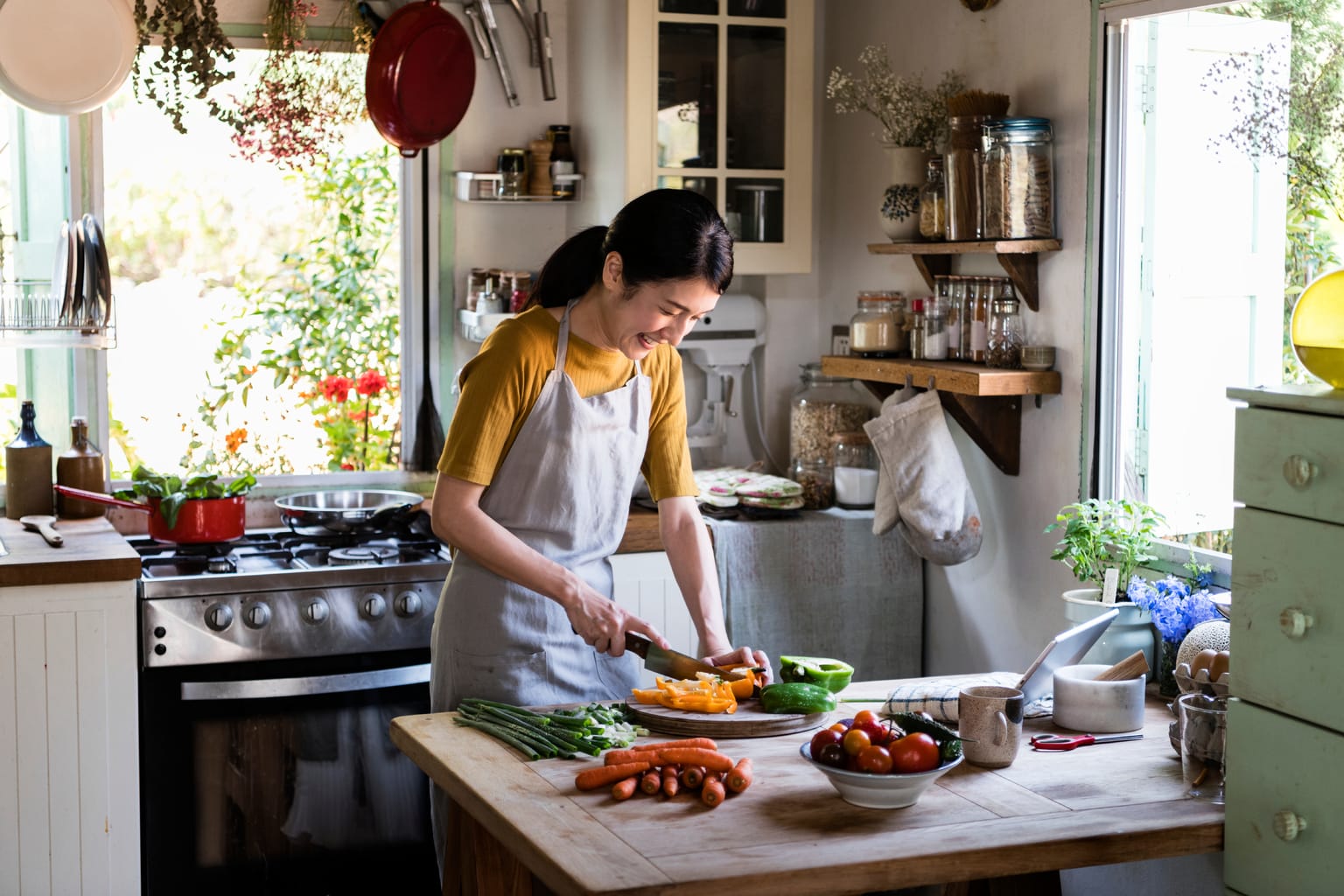
A day in a home kitchen with a Japanese cook. You make dashi from kombu and katsuobushi, learn why the stock is never allowed to boil, and build two or three traditional dishes from there — then sit down and eat what you made. Children are given real knives and real tasks.
Day 6 - Hakone
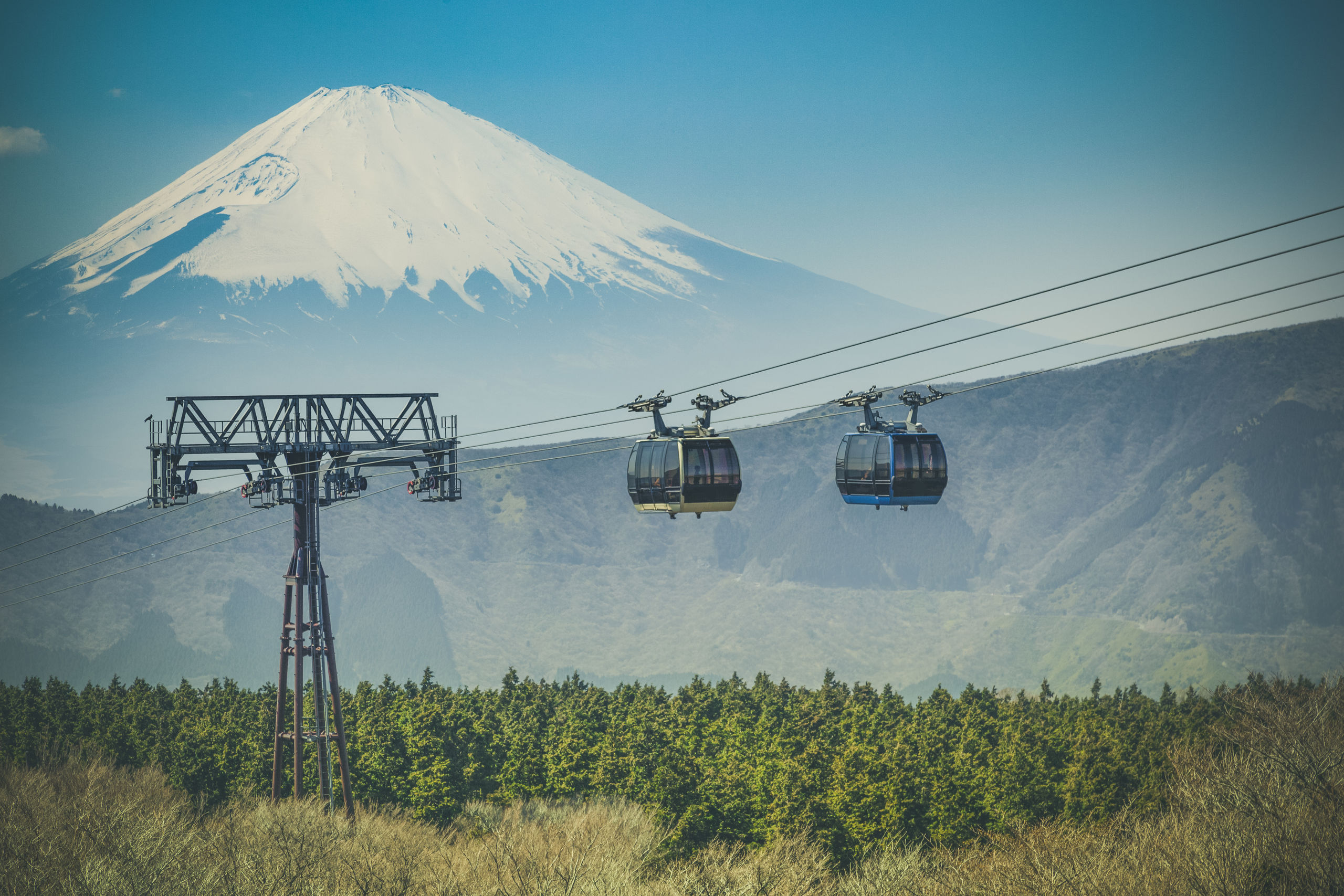
After five days in the city, a change of pace. Two and a half hours by train brings you to Hakone, whose water has drawn bathers from across Japan since the Edo period.
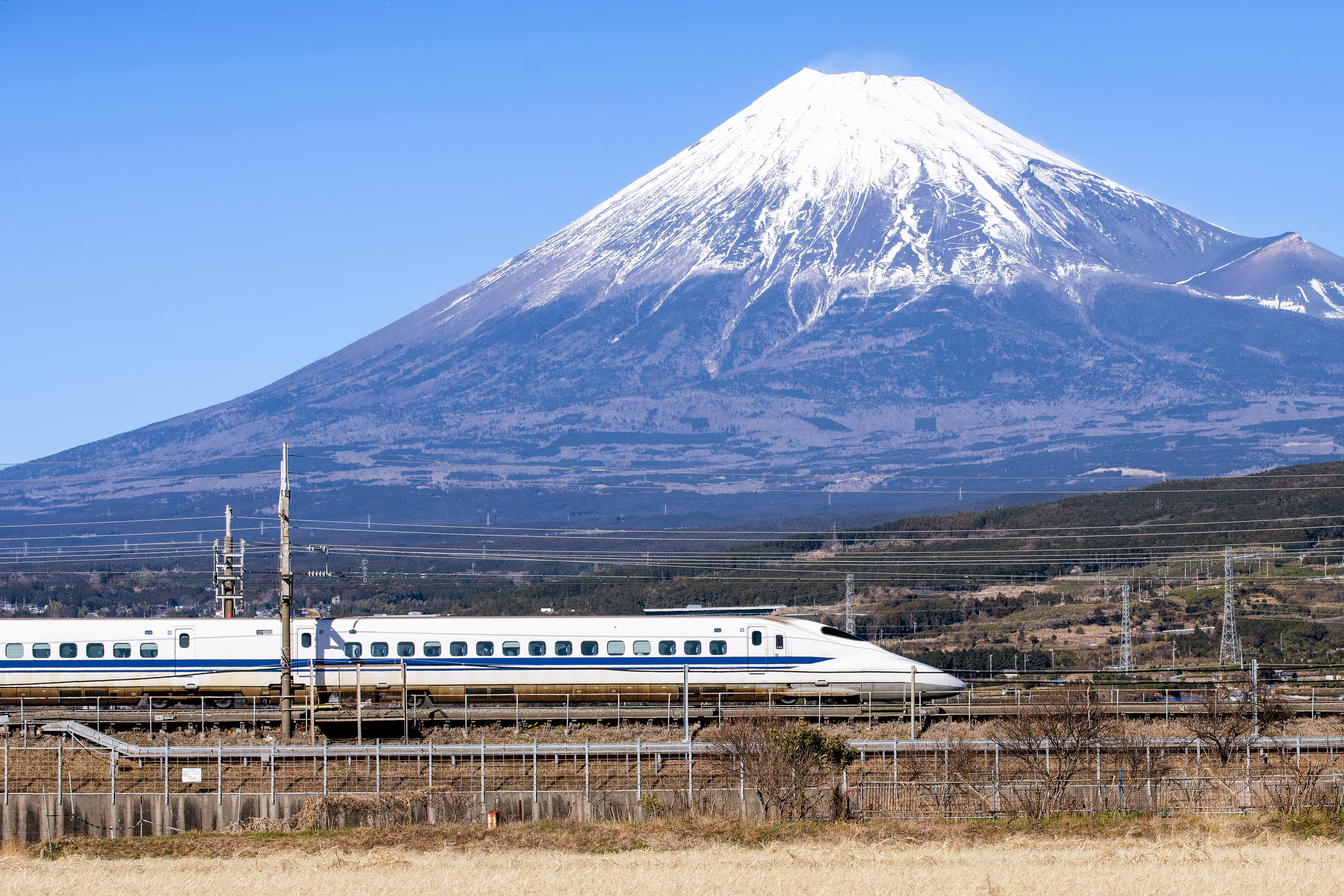
Mount Fuji shows itself from the funicular, or from the boat across Lake Ashi — on clear days, which are not every day. In the evening you bathe in the thermal water, then sleep in a ryokan: tatami, a futon laid out while you are at dinner, and a bath shared with the other guests.
Day 7 - Takayama
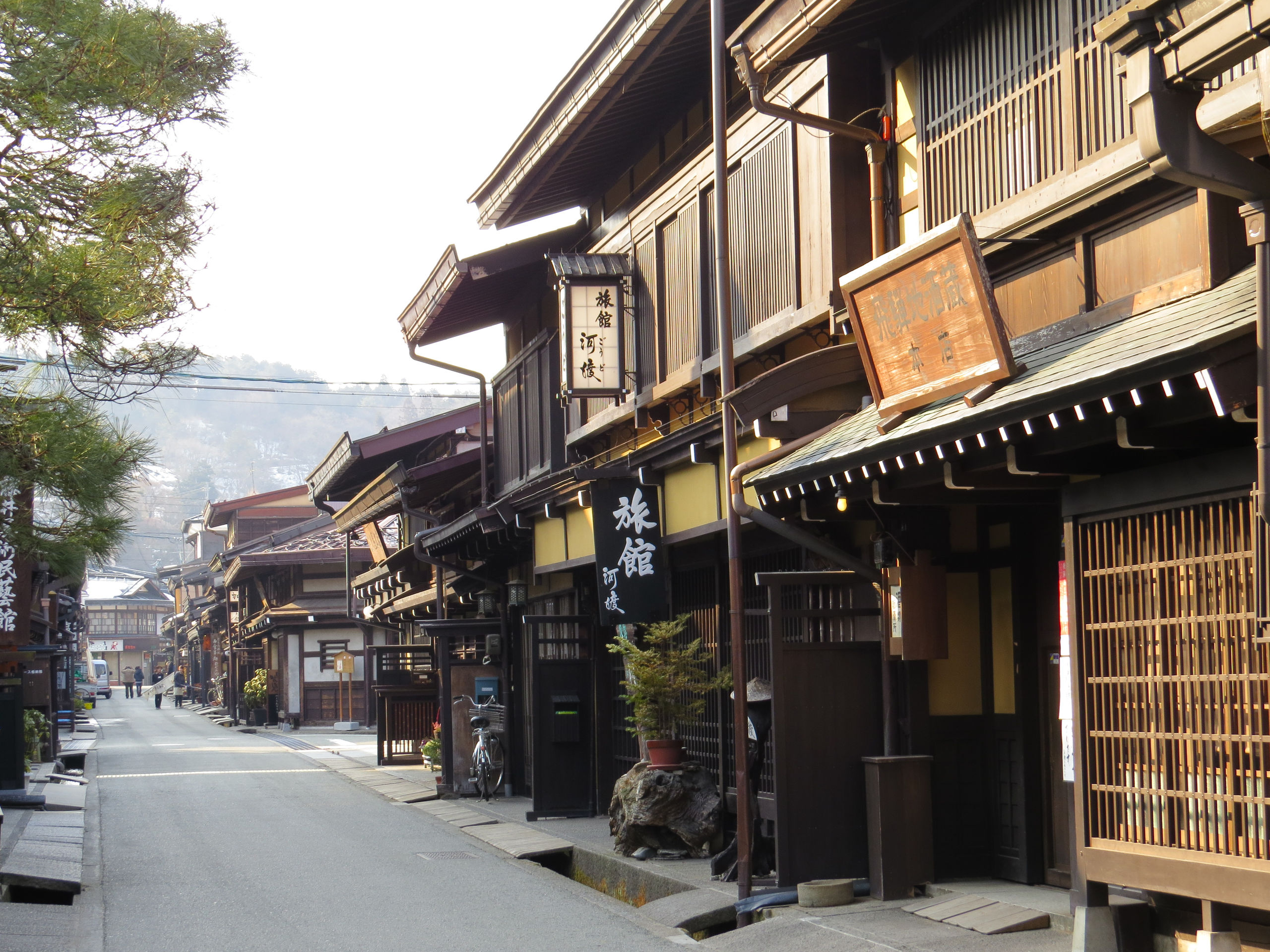
Takayama sits in the folds of the Japanese Alps, and kept its Edo-period street plan largely because the mountains kept the twentieth century at arm’s length. A full day here is not too much.
Begin at the Miyagawa morning market along the river: vegetables, pickles, wood carving, mostly the same families each morning. Then walk Sanmachi Suji, three streets of dark wooden merchant houses, where the sake breweries hang a cedar ball above the door when the new brew is ready. The Takayama Jinya, the old governor’s residence, is the one interior worth the entry fee.
For lunch, Hida beef, raised in the valleys around town — grilled over charcoal at a counter, or in a bun from a market stall.
In the afternoon, the Hida no Sato open-air village gathers thatched farmhouses moved here from the surrounding valleys, along with the tools and looms that went with them.
Back in town, the Festival Floats Museum keeps the carved floats pulled through the streets each April. Look closely at the lacquer and the joinery; the same families maintain them.
Then a local onsen, and a kaiseki dinner — a sequence of small dishes ordered by season and technique rather than by size. Afterwards the streets go quiet early, and the lanterns on the wooden façades are worth a slow walk.
Day 8 - Takayama
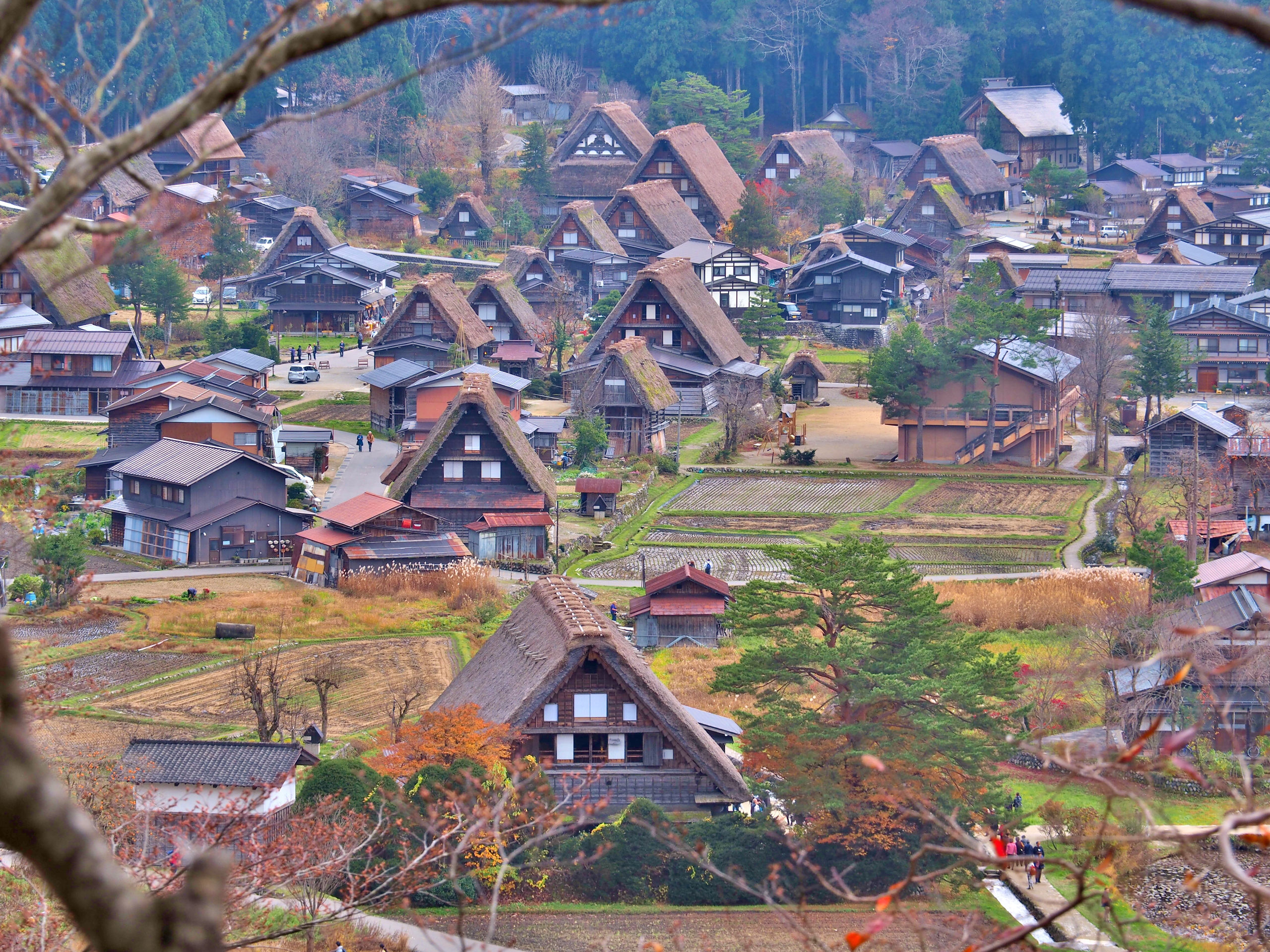
An hour by bus from Takayama, Shirakawa-go is a working village on the UNESCO list, known for its gassho-zukuri farmhouses: steep thatched roofs pitched like hands joined in prayer, built without nails so the frame can flex under the winter snow.
Walk the lanes first. Several houses are open, and the Wada house, the largest in the village, still shows the hearth and the silkworm floors under the roof. The Gassho-zukuri Minka-en open-air museum fills in the rest — how the thatch is replaced, and who in the valley is called on to do it.
Lunch is rustic and local: river fish, mountain vegetables, soba.
Afterwards, climb to the Shiroyama viewpoint for the village seen whole, the roofs aligned with the valley. Finish among the craft shops before the bus back to Takayama. The village is busiest between eleven and two; earlier or later it belongs to the people who live there.
Day 9 - Kanazawa
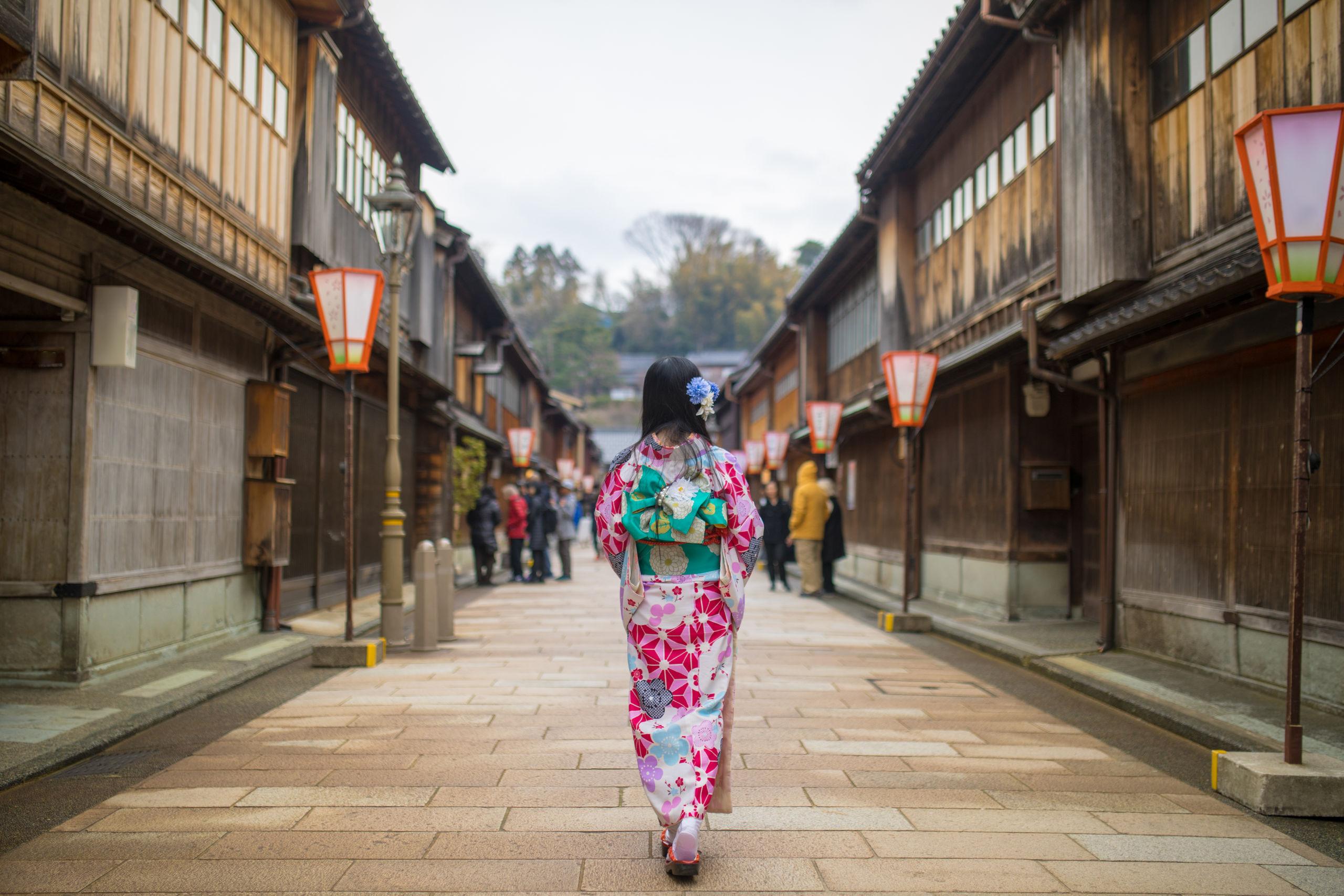
Kanazawa grew rich on rice and was never bombed, so its gardens, its craft workshops and its old quarters are the originals rather than reconstructions.
Start at Kenroku-en, counted among the three great gardens of Japan. It is built on six qualities that are meant to be irreconcilable — seclusion and open view among them — and each November the pines are roped into cones against the weight of the snow.
Then Nagamachi, the samurai district, where earthen walls line the lanes and one or two residences are open to walk through.
The 21st Century Museum of Contemporary Art is a low glass circle with no front and no back: you enter from any side, and Japanese work is shown alongside international pieces.
End in Higashi Chaya, the teahouse district — two storeys, slatted wooden screens, and a handful of houses you can go into to see how the rooms were arranged for music and conversation.
Day 10 - Kyoto
Drop your bags at the hotel first. Then Fushimi Inari, five minutes away on the Nara line (Local, Joyo). Thousands of vermilion torii climb the hillside, each paid for by a family or a business whose name is cut into the upright, and the fox statues carry keys as messengers of the deity Inari. The higher you go, the fewer people there are. On the way back, Kyoto station repays ten minutes for its own sake: a canyon of steel and glass entirely at odds with the city behind it.
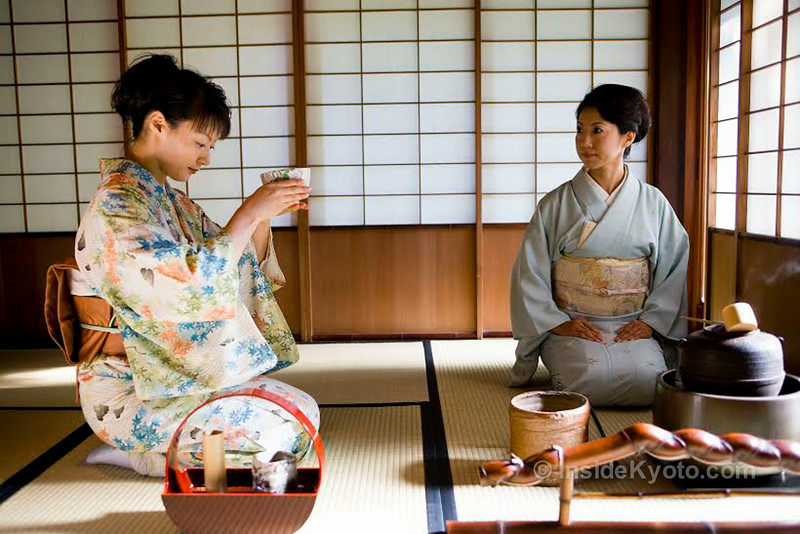
Later, the tea ceremony. In a traditional room, a tea master prepares matcha — a stone-ground green tea powder — with a fixed sequence of gestures: the cloth folded the same way each time, the whisk moved the same number of strokes.
You sit at a low table and drink slowly, with wagashi, sweets shaped to the season. Your host talks about what the ceremony is for — attention, one meeting, the acceptance that it will not happen twice.
There is time for questions. It closes with a bow on both sides, and you leave understanding a little more of what the gestures are holding.
Day 11 - Kyoto
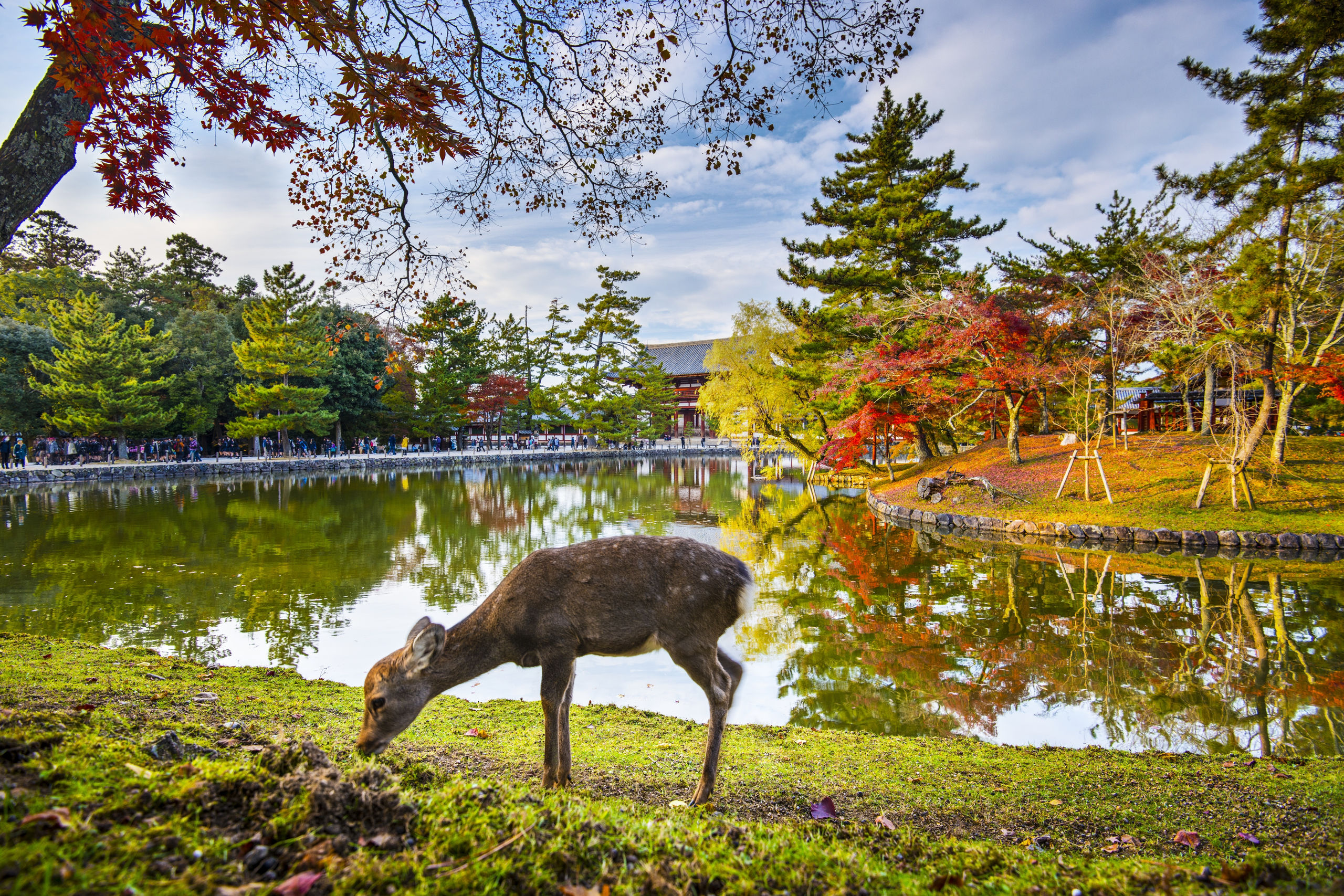
An hour by train from Kyoto station, Nara was the capital of Japan from 710 to 784 and kept a good deal of it. The deer that meet you were long held to be messengers of the gods and are protected now; they bow for a biscuit, and will go through a paper bag to find one.
The park holds the main sites — Kofuku-ji and its five-storey pagoda, and Todai-ji, the largest wooden building in the world, with a bronze Buddha 15 metres high inside it.
Afterwards, walk the old centre and its Edo-period wooden townhouses, narrow at the front and long behind, and work through the local specialities. Mount Wakakusa, 342 metres, is there for anyone who wants the climb and the view over the basin.
Day 12 - Koyasan
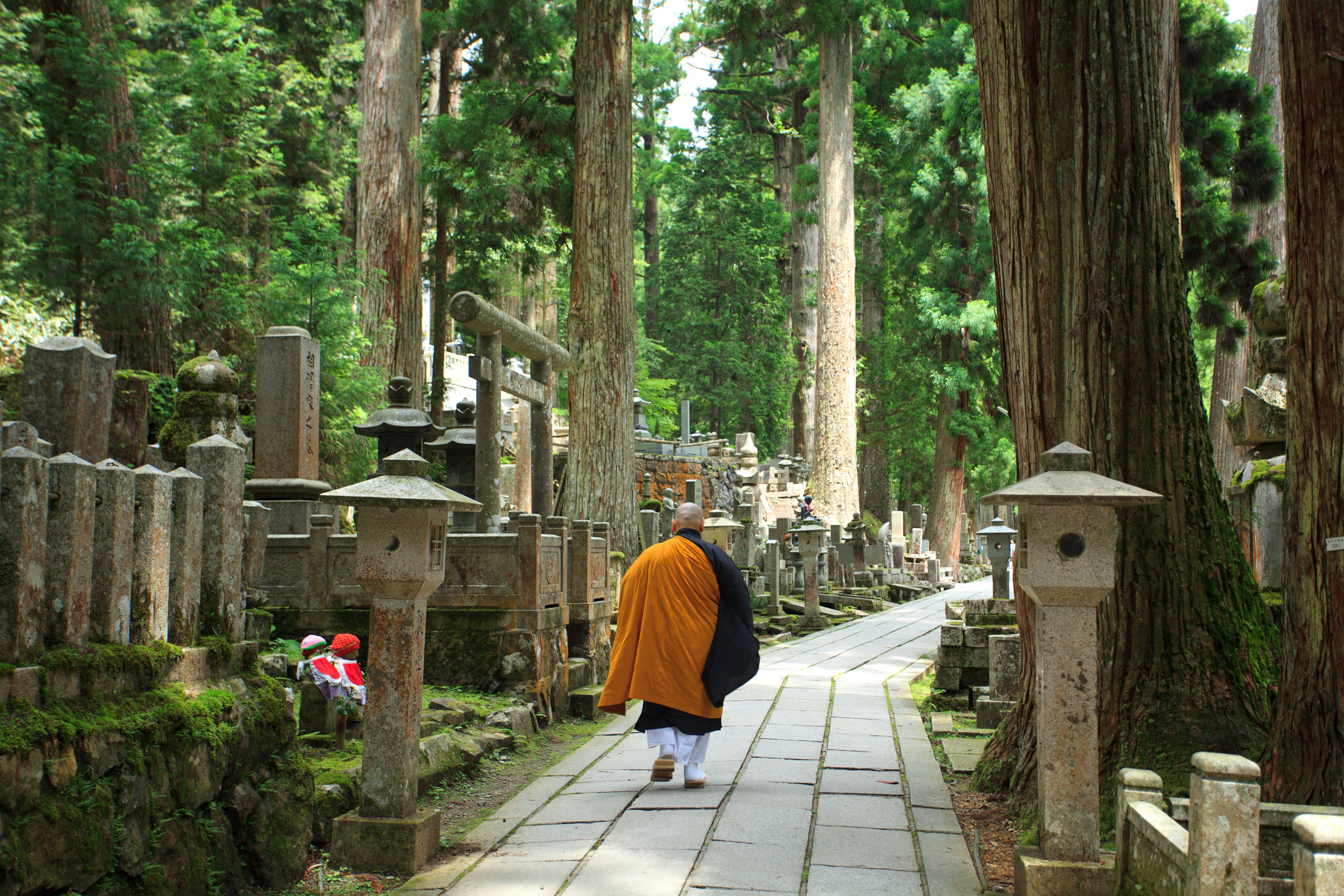
An early train out of Kyoto. The valleys narrow, the line climbs, and the last stretch is by cable car at a gradient steep enough that the carriage floor is stepped.
Koyasan is a monastic town at 800 metres, founded in 816 and still home to around a hundred temples. Start at Okunoin, one of the largest cemeteries in Japan: two kilometres of path under cedars three and four hundred years old, past the tombs of feudal lords, monks and historical figures. The moss does most of the work.
The rest of the day is the temple complexes spread across the town, kept in repair by the lineages that built them. Gardens, cedar, gravel, and the smell of incense held in the halls.
Take the time to sit somewhere — inside a hall, or on a step facing the trees — before you go up to your accommodation for the night: a working Buddhist monastery. Simple rooms, thin walls, shared bathrooms, a vegetarian shojin ryori dinner served early, and morning prayers at six for anyone who wants them.
Day 13 - Osaka
Down off the mountain and onto a train for Osaka, two and a half hours, the landscape moving from cedar to rice to warehouse.
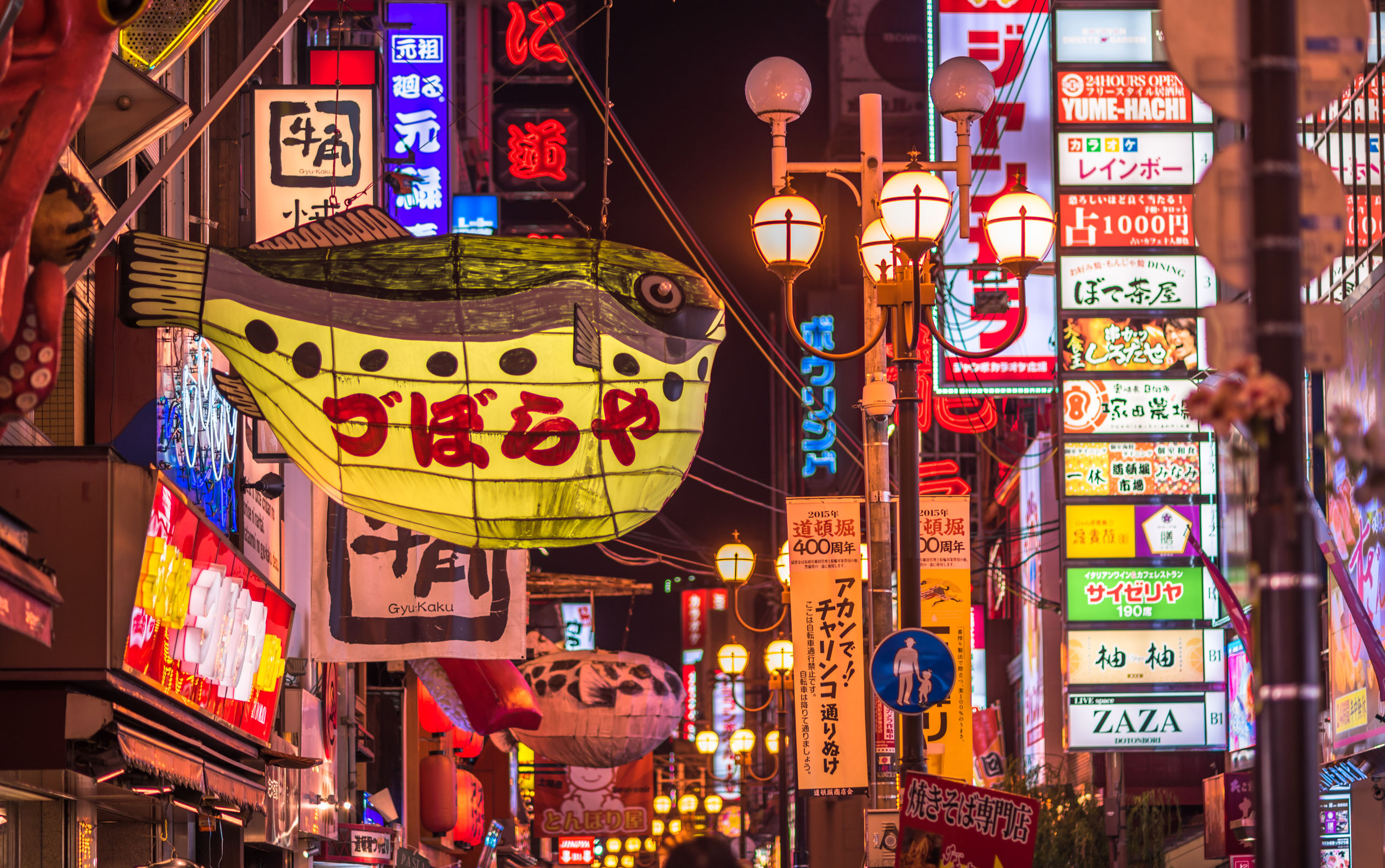
Osaka is a city that eats. The Kuromon market for fish sold across ice, the basement food halls, and Dotonbori after dark, where the signs are three storeys high and double in the canal. Osaka Castle is a reconstruction, but the stone base is original and some of its blocks weigh more than 100 tonnes.
The contrast with the morning is the point of the day: silence at six on the mountain, and takoyaki at a standing counter by nine at night.
Day 14 - Departure
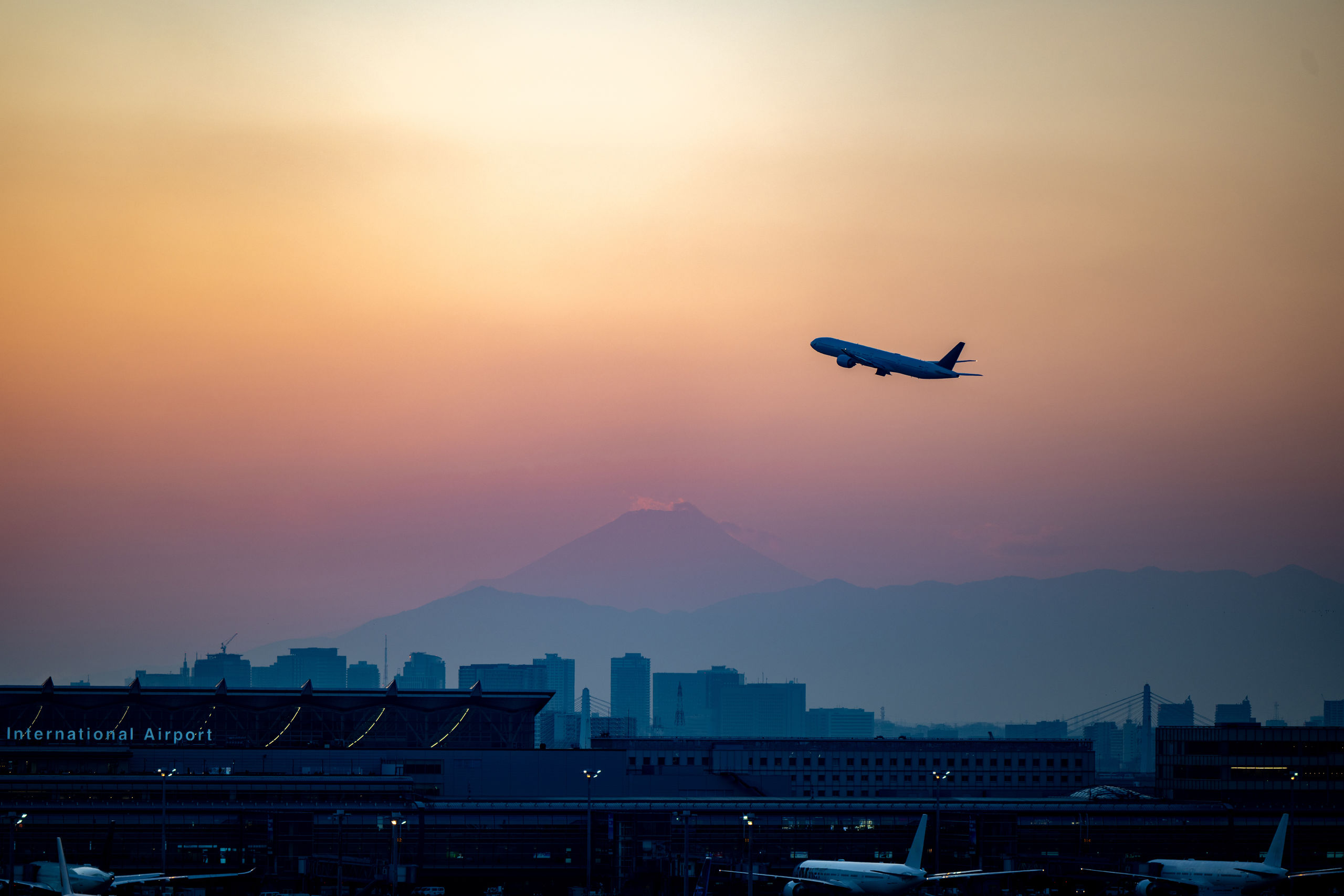
Depending on the time of your return flight, there is often room for one last hour in the city — a market, a coffee, the shopping street you kept walking past.
The airport is reachable by public transport: from Namba, the Nankai line takes about 40 minutes to Kansai.
Until the next journey.
Transfer times
| Day | Mode | From | To | Time |
|---|---|---|---|---|
| 06 | Train | Tokyo | Hakone | 2h30 |
| 07 | Train | Hakone | Takayama | 4h |
| 08 | Bus | Takayama | Shirakawa-go | 1h-1h |
| 09 | Train | Takayama | Kanazawa | 4h |
| 10 | Train | Kanazawa | Kyoto | 4h |
| 12 | Train | Kyoto | Koyasan | 4h |
| 13 | Train | Koyasan | Osaka | 2h30 |
What’s included
What is included depends on the style of travel.
We cover what you need so that the logistics stay out of the way.
- Three-star accommodation.
- Airport transfers.
- Transport passes in ordinary class where needed.
- Breakfast every day, and a few dinners.
Accommodation
The list below is an example, given to show the category of accommodation.
| Night | Hotel |
|---|---|
| Tokyo | 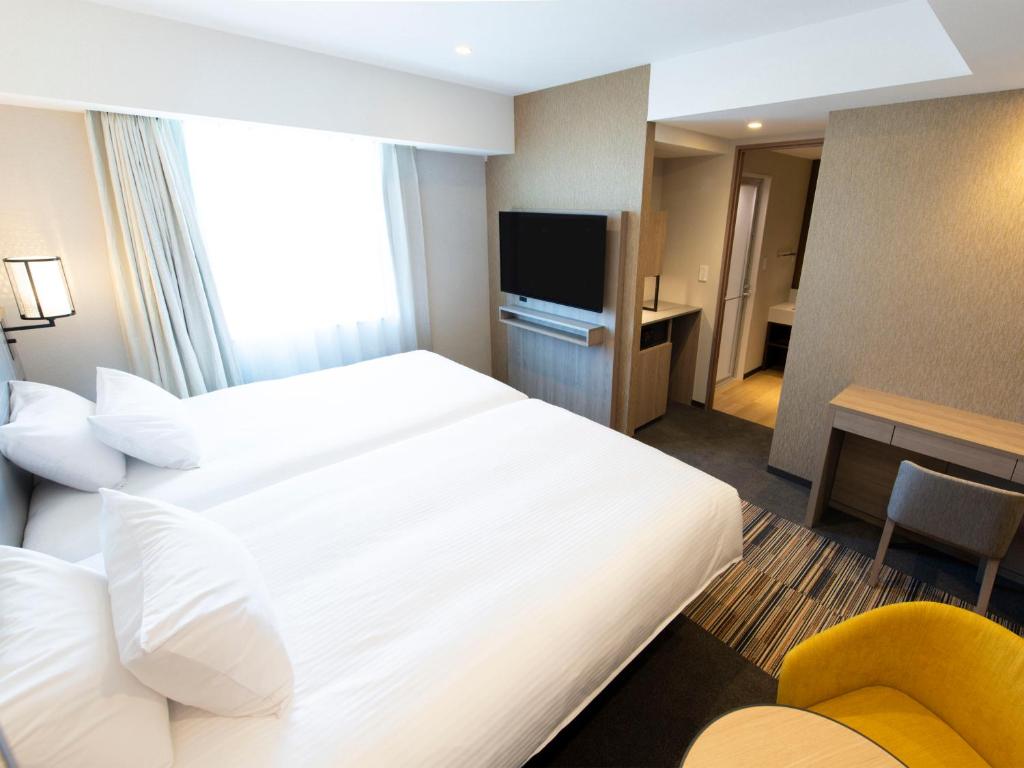 |
| Hakone | 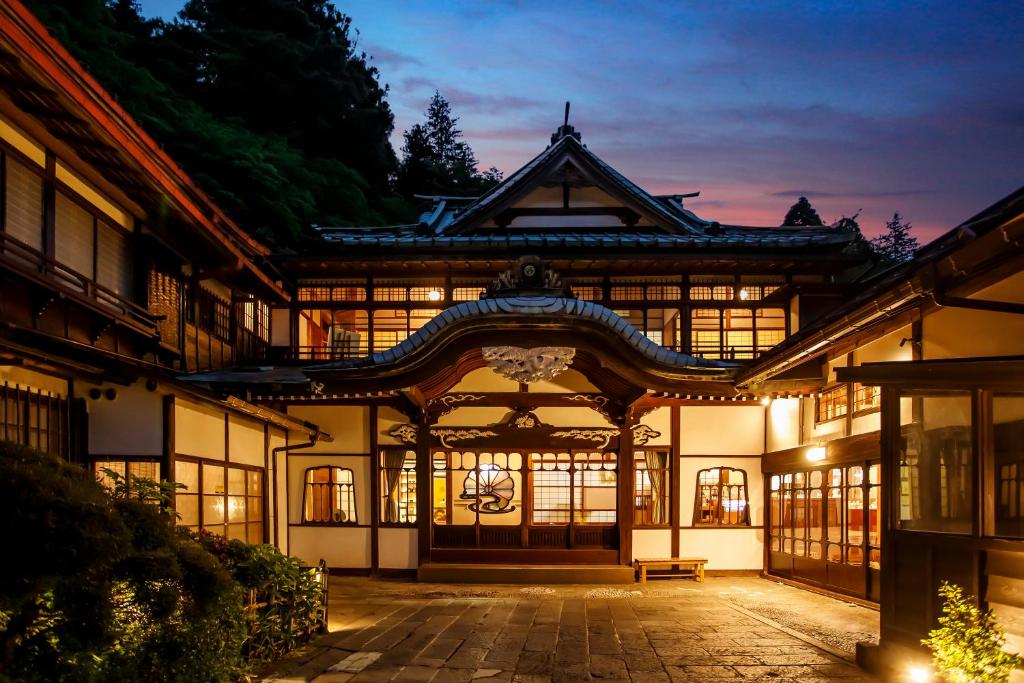 |
| Takayama | 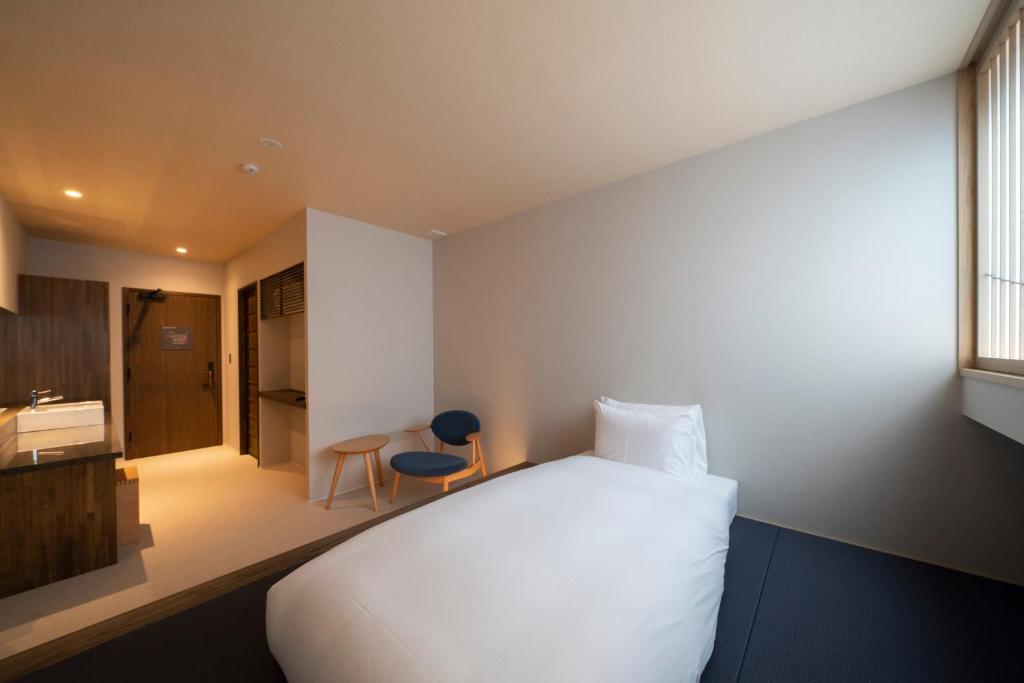 |
| Kanazawa | 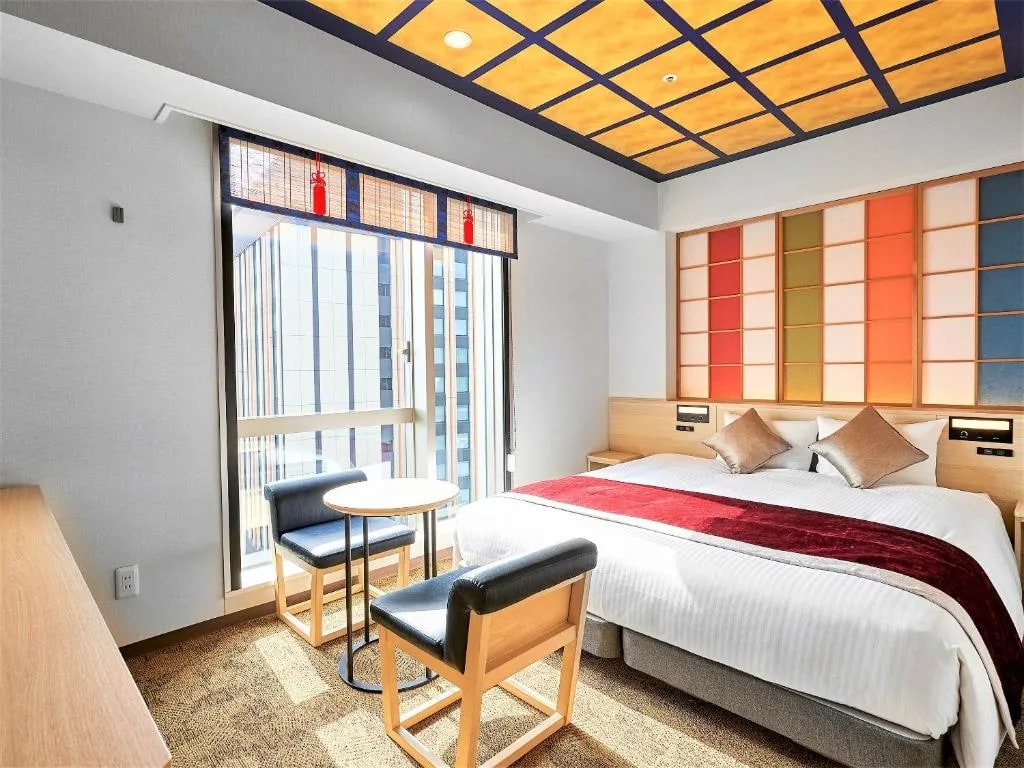 |
| Kyoto | 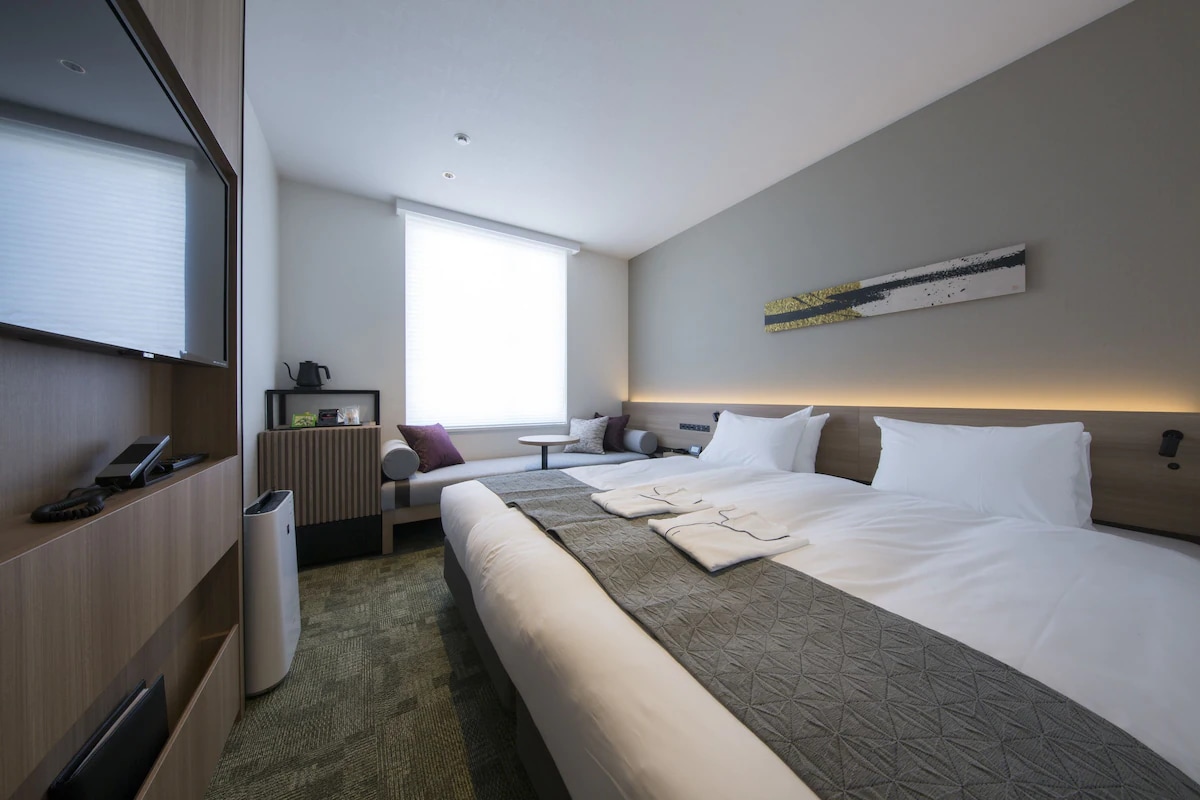 |
| Koyasan | 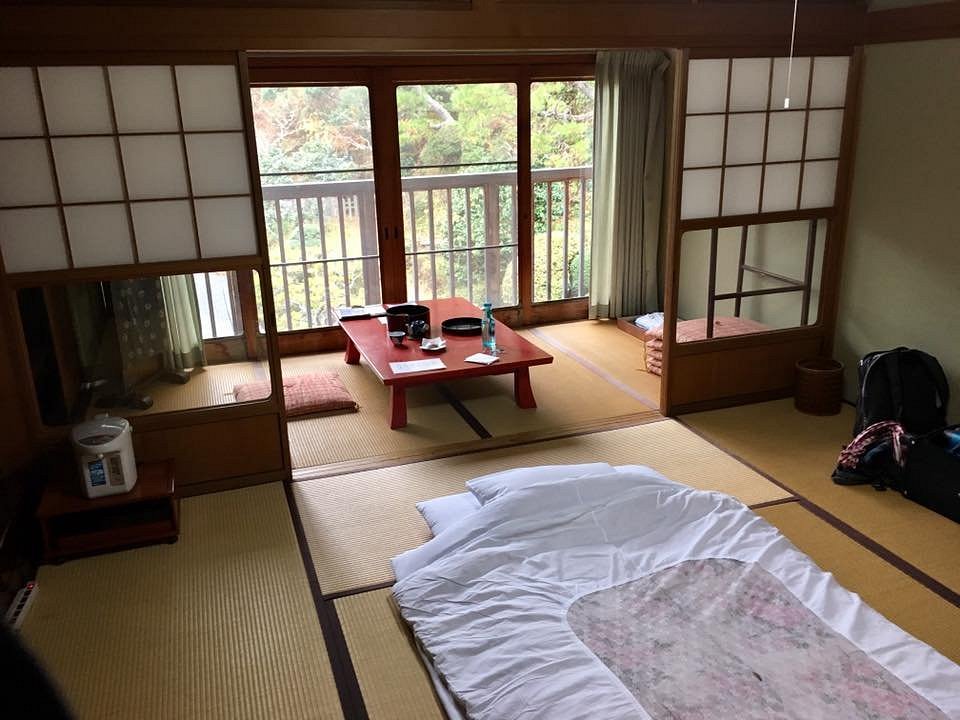 |
| Osaka | 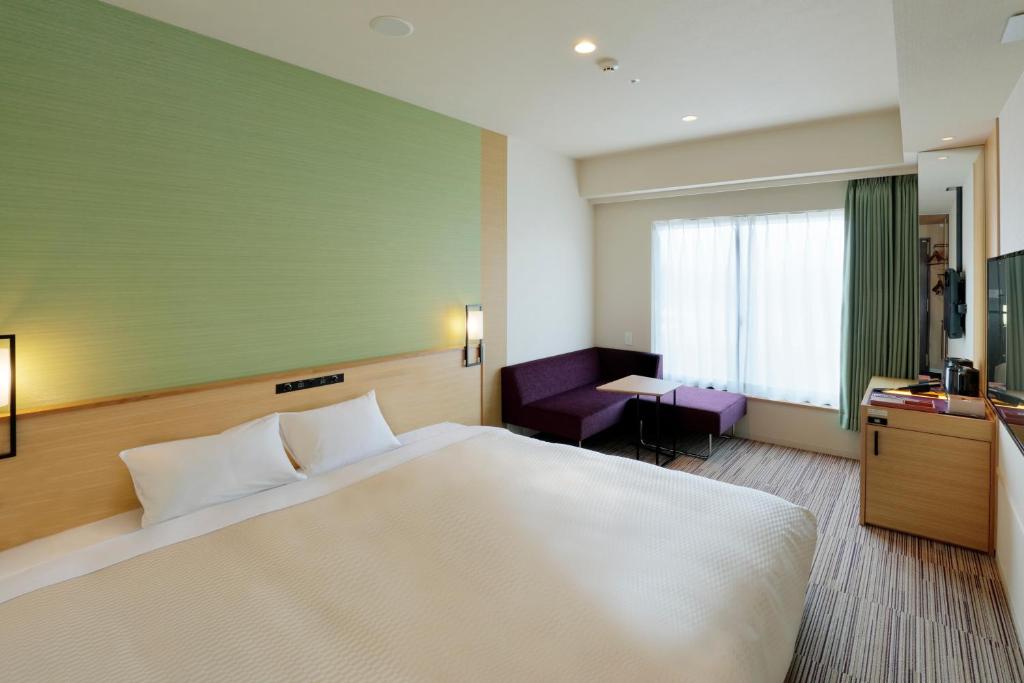 |
Meals included
15 meals included: 13 breakfasts and 2 dinners.
| Day | Night | Meals included |
|---|---|---|
| 01 | Tokyo | X |
| 02 | Tokyo | Breakfast |
| 03 | Tokyo | Breakfast |
| 04 | Tokyo | Breakfast |
| 05 | Tokyo | Breakfast |
| 06 | Hakone | Breakfast & dinner |
| 07 | Takayama | Breakfast |
| 08 | Takayama | Breakfast |
| 09 | Kanazawa | Breakfast |
| 10 | Kyoto | Breakfast |
| 11 | Kyoto | Breakfast |
| 12 | Koyasan | Breakfast & dinner |
| 13 | Osaka | Breakfast |
| 14 | Flight | Breakfast |
Services included
- The roadbook
- Day 1 - Pocket Wi-Fi router hire for the whole stay
- Day 1 - Suica card loaded with 2500JPY
- Day 1 - Airport transfer by taxi with an English-speaking driver
- Day 3 - Entry to Team Labs Planets Tokyo
- Day 4 - Entry to the Ghibli Museum
- Day 5 - One cooking class
- Day 6 - A “Japan Rail Pass” valid 7 days (day 6 to day 12)
- Day 6 - A “Hakone Free Pass” valid 2 days from Odawara station
- Day 8 - Bus tickets for the Shirakawa-go excursion
- Day 11 - One tea ceremony
- Day 14 - Airport transfer by taxi with an English-speaking driver
Not included
- International flights
- Entry to sites other than those listed as included
- Meals other than those listed as included, and all drinks
- Transport other than that listed as included (taxis, ferry)
- The tourist accommodation tax, between 100 and 500 yen per night per person, collected in cash on arrival at hotels in the larger cities
- The hot-spring tax, about 150 yen per night per person, collected in cash on arrival in onsen towns
- Luggage forwarding (allow 2000 yen per bag per shipment)