
Map
Itinerary
Day 1 - Tokyo
One of our English-speaking guides meets you in the arrivals hall and takes you to your accommodation by public transport — about 45 minutes, and your first reading of how the city moves.
The first evening asks little of you. An izakaya, sliding door, a counter of worn cedar, plates arriving one at a time: it is where Tokyo eats after work, and the easiest way to let the time difference settle.
Day 2 - Tokyo

Today is for the Shitamachi — literally the low city, the flat ground by the river where merchants and craftsmen lived, in plain contrast with the smarter districts along the Yamanote line, once the ground of nobles and lords.
You walk Ueno and Asakusa with your English-speaking guide, where contemporary shopfronts stand next to workshops that have not changed hands in four generations. It is the walk that explains why Tokyo reads as thirty small towns rather than one city.
Day 3 - Tokyo
Start early, while the commuter tide is still building. The hour between six and eight is the most honest look at how the capital runs.
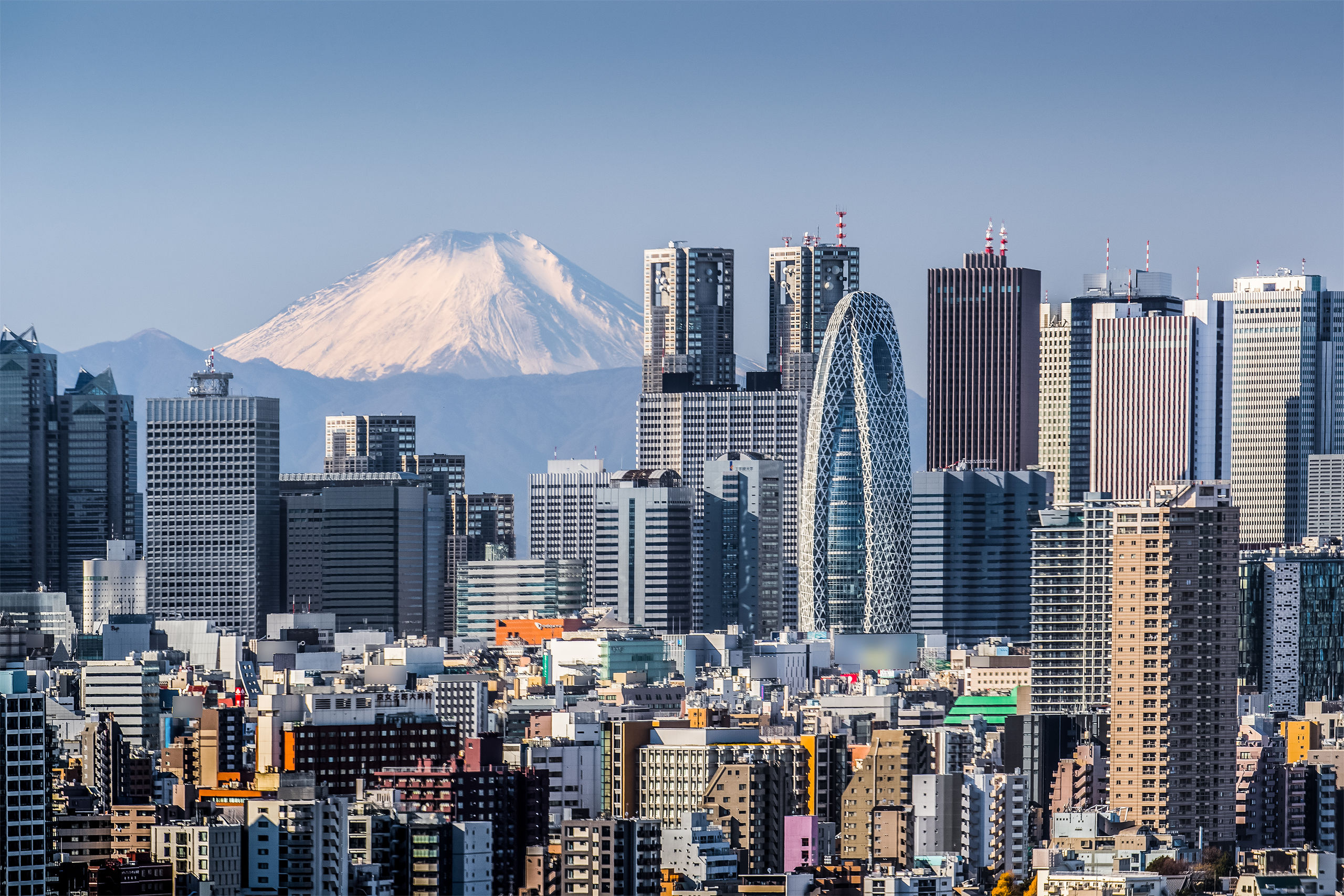
Then walk from Harajuku, where the teenagers set the dress code, to the neon at Shinjuku. Two neighbourhoods twenty minutes apart with almost nothing in common, and a good deal of ground between them worth covering on foot.
Eat as you go — street stalls, a standing noodle counter, a department-store basement. The food is part of the route rather than an interruption of it.
The route is built around the contrast. A glass tower on one corner, and thirty metres behind it a lane too narrow for a car, with potted plants outside every door and somebody sweeping the step.
Day 4 - Tokyo
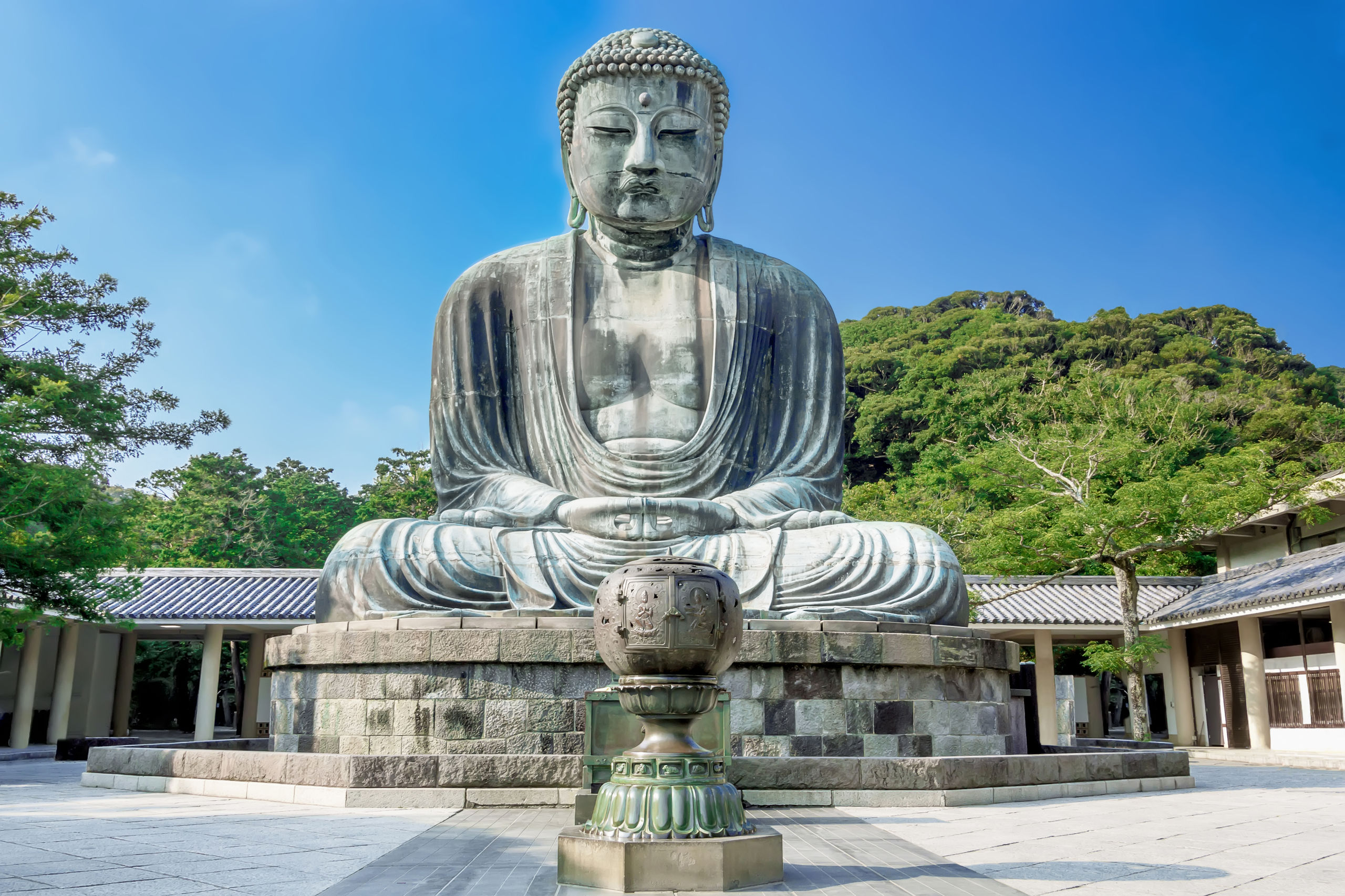
An hour from Tokyo on the JR line, with the Pacific appearing on the right for the last stretch.
Kamakura was the seat of government from 1185 to 1333, and the temples stayed. Many are dedicated to Kannon: Hase-dera keeps a gilded statue nine metres high and a hillside of hydrangeas behind it. The Great Buddha at Kotoku-in is 11 metres of bronze, cast in 1252, and has stood in the open since a tsunami took the hall around it in 1498 — for a few yen you can step inside the hollow figure. Keep the beaches for the end of the day, when the surfers are out.
Day 5 - Hakone
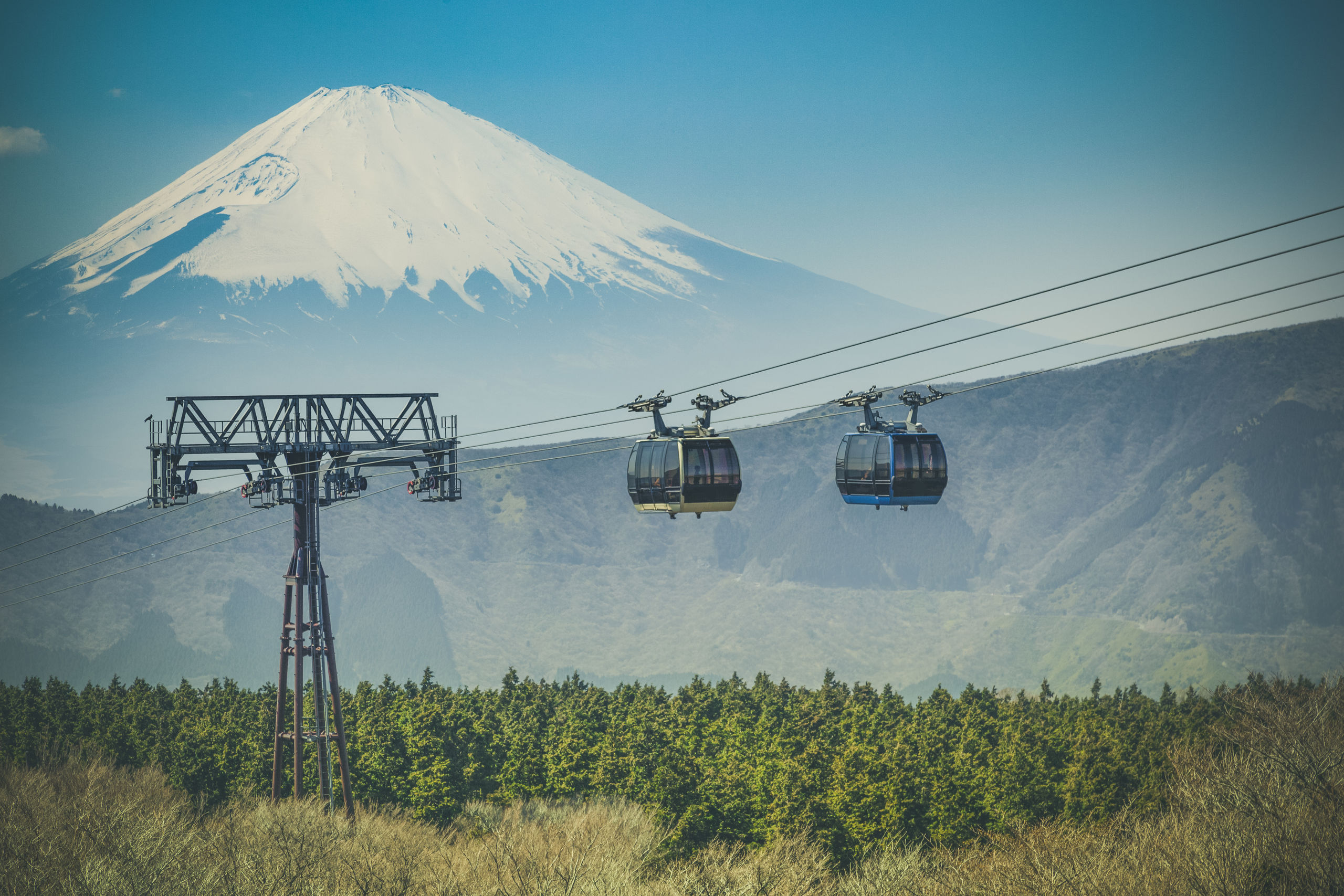
After four days in the city, a change of pace. Two and a half hours by train brings you to Hakone, whose water has drawn bathers from across Japan since the Edo period.
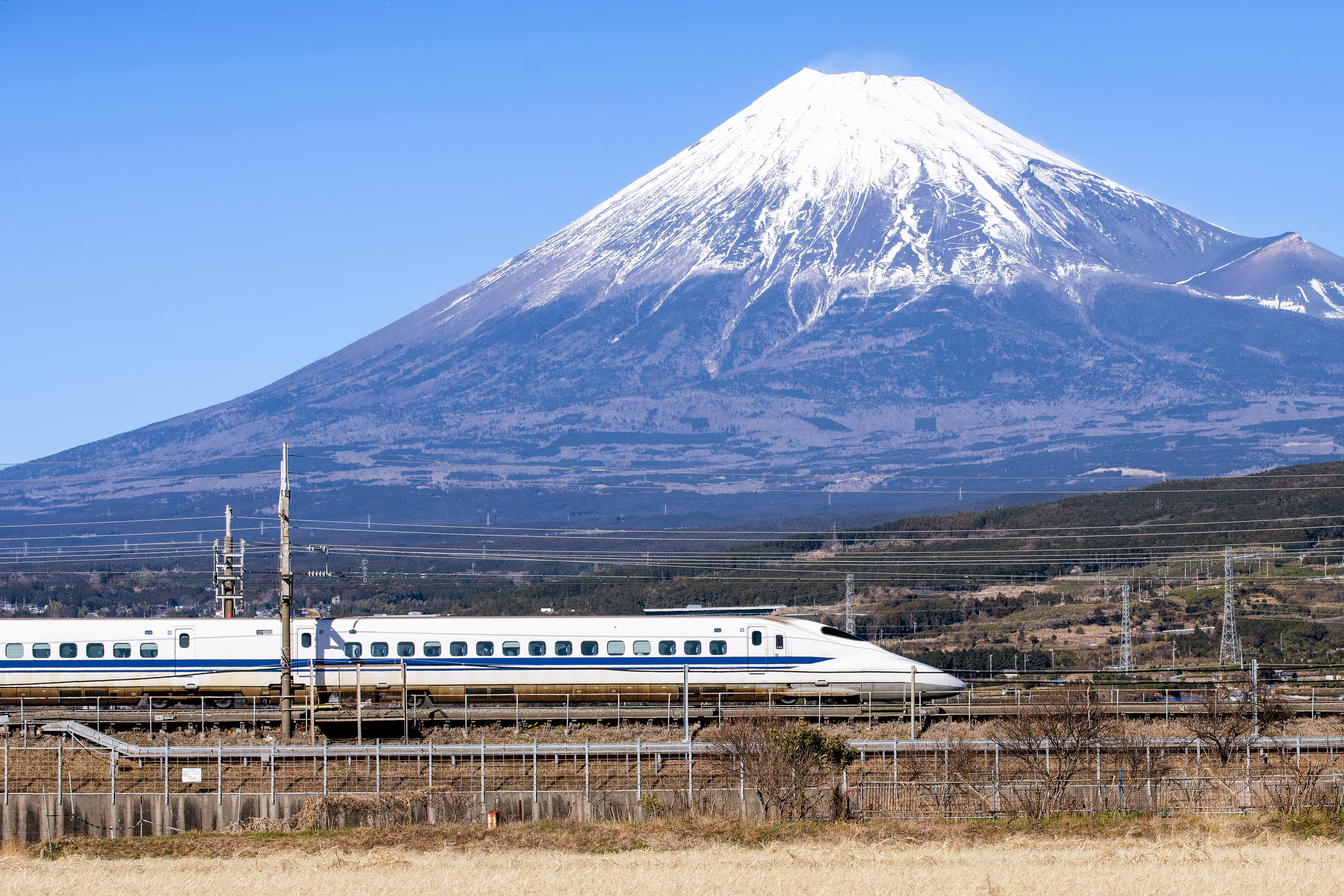
Mount Fuji shows itself from the funicular, or from the boat across Lake Ashi — on clear days, which are not every day. In the evening you bathe in the thermal water, then sleep in a ryokan: tatami, a futon laid out while you are at dinner, and a bath shared with the other guests.
Day 6 - Kyoto
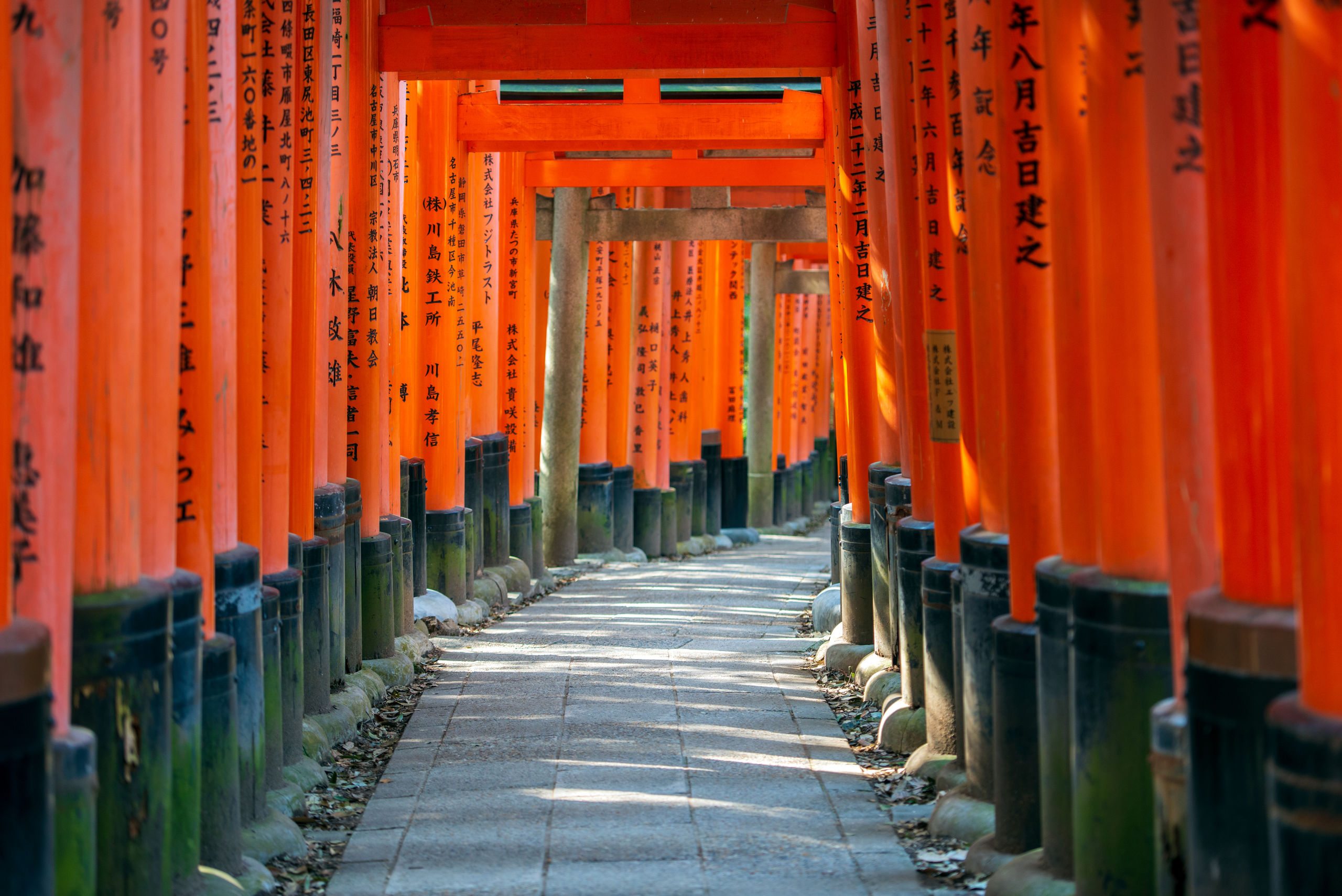
Drop your bags at the hotel first. Then, if the afternoon is still yours, Fushimi Inari.
It is five minutes away on the Nara line (Local, Joyo). Thousands of vermilion torii climb the hillside, each paid for by a family or a business whose name is cut into the upright, and the fox statues carry keys as messengers of the deity Inari. The higher you go, the fewer people there are. On the way back, Kyoto station repays ten minutes for its own sake: a canyon of steel and glass entirely at odds with the city behind it.
Day 7 - Kyoto
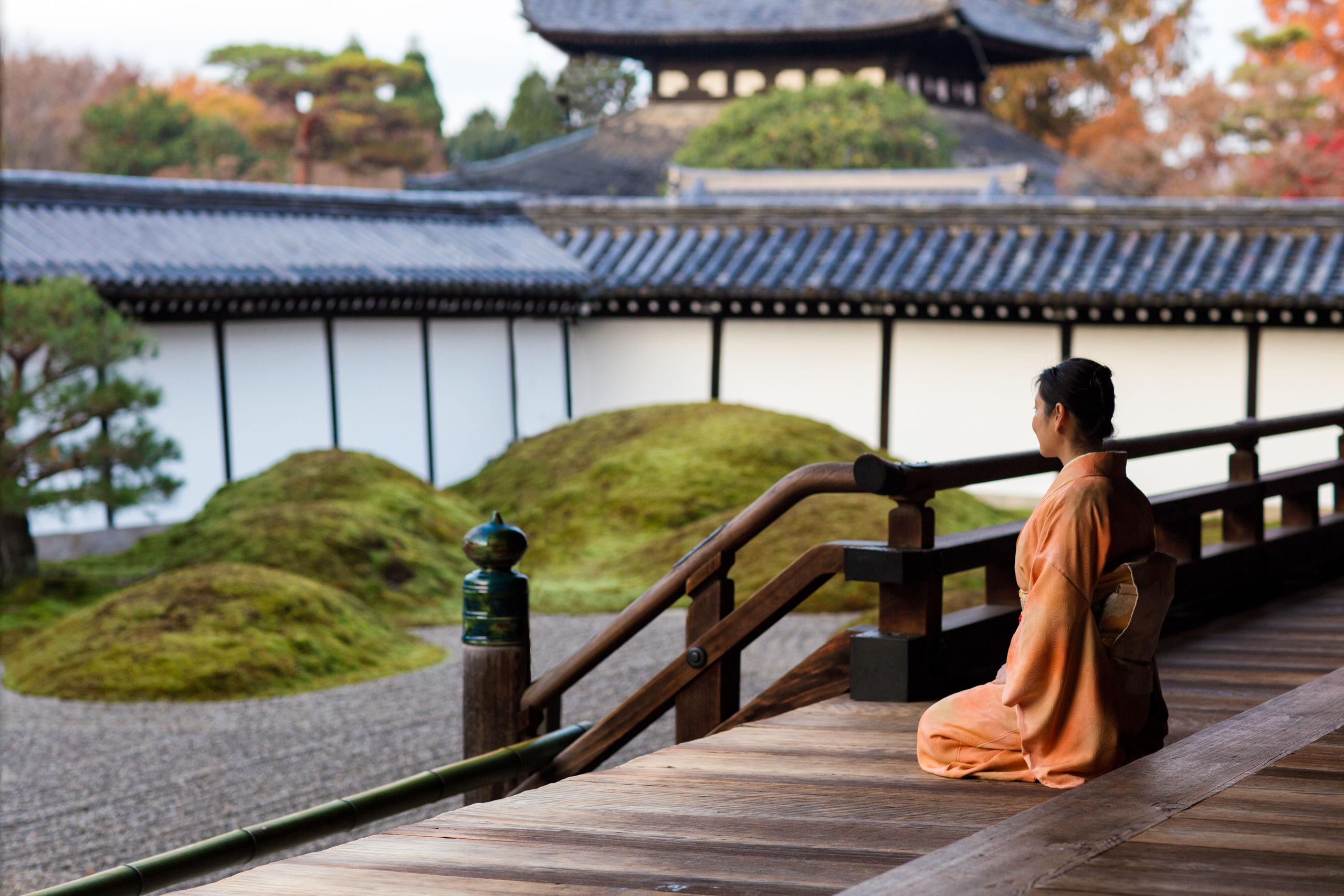
Today you walk the eastern side of Kyoto with your English-speaking guide.
Start at Ginkaku-ji, the Silver Pavilion — a National Treasure that was never silvered, and whose dry garden, the karesansui, includes a cone of sand raked to a point. From there the Philosopher’s Path follows an old canal lined with cherry trees as far as Nanzen-ji.
Then the streets: Teramachi and its covered arcades, where the second-hand shops are worth an hour, or Nishiki market — five blocks of pickles, knives, tofu and grilled eel, narrow enough in places that you walk it single file.
Kansai cooking is lighter on soy than Tokyo’s and sweeter in its stocks. Worth noticing while you eat.
Day 8 - Kyoto
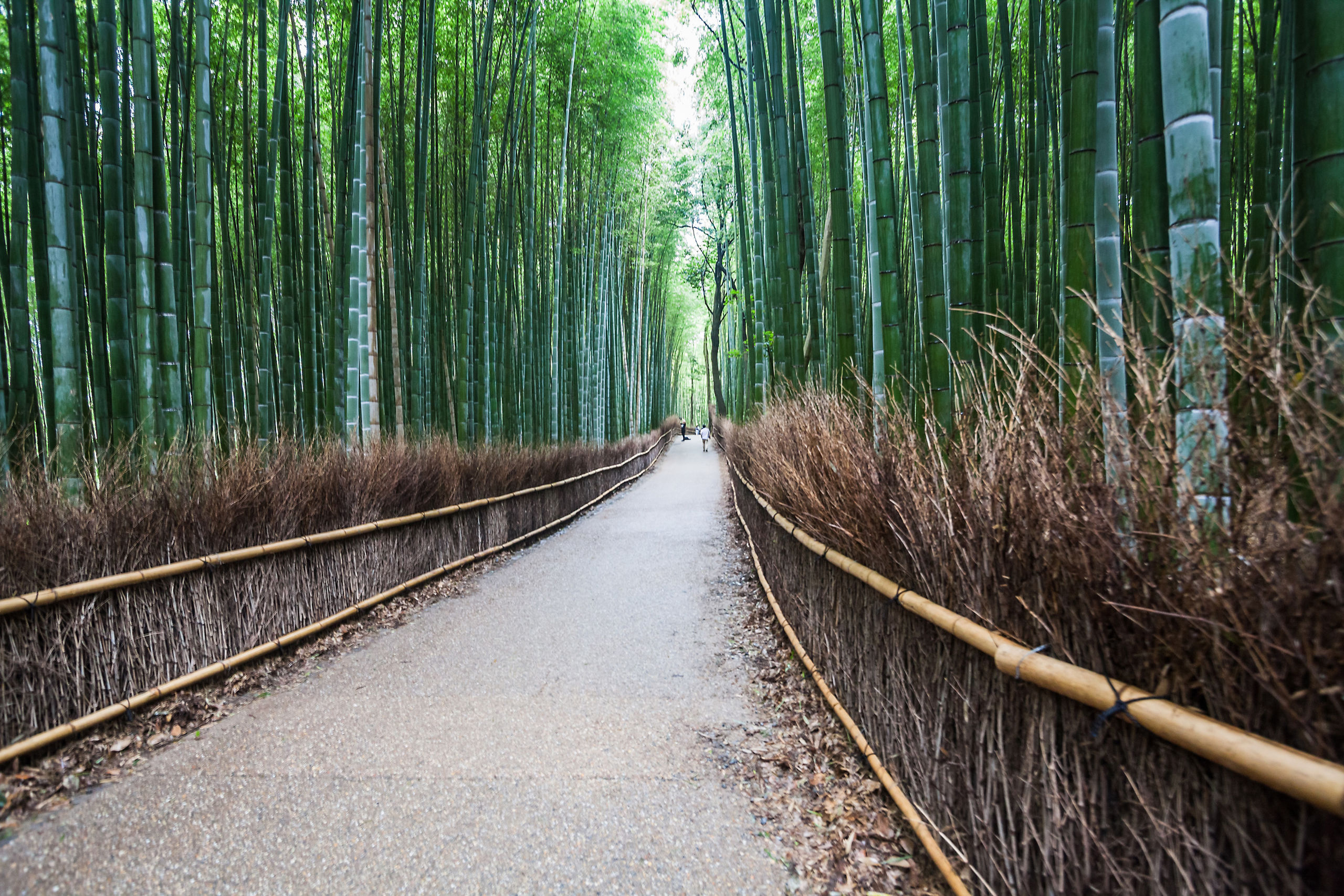
West of the city today.
Begin at Arashiyama: the bamboo grove, where the stems knock together in any wind, and Tenryu-ji, a UNESCO site whose garden was laid out in the fourteenth century and has kept its shape since. Then a walk along the Katsura river, quiet in every season.
In the afternoon, north to Kinkaku-ji, the Golden Pavilion, gold leaf on the two upper floors and doubled in the pond in front of it. The rock garden at Ryoan-ji is close by: fifteen stones, and no position from which all fifteen can be seen at once. If the crowds have been too much, Daitoku-ji and its sub-temple gardens stay largely empty.
Day 9 - Kyoto
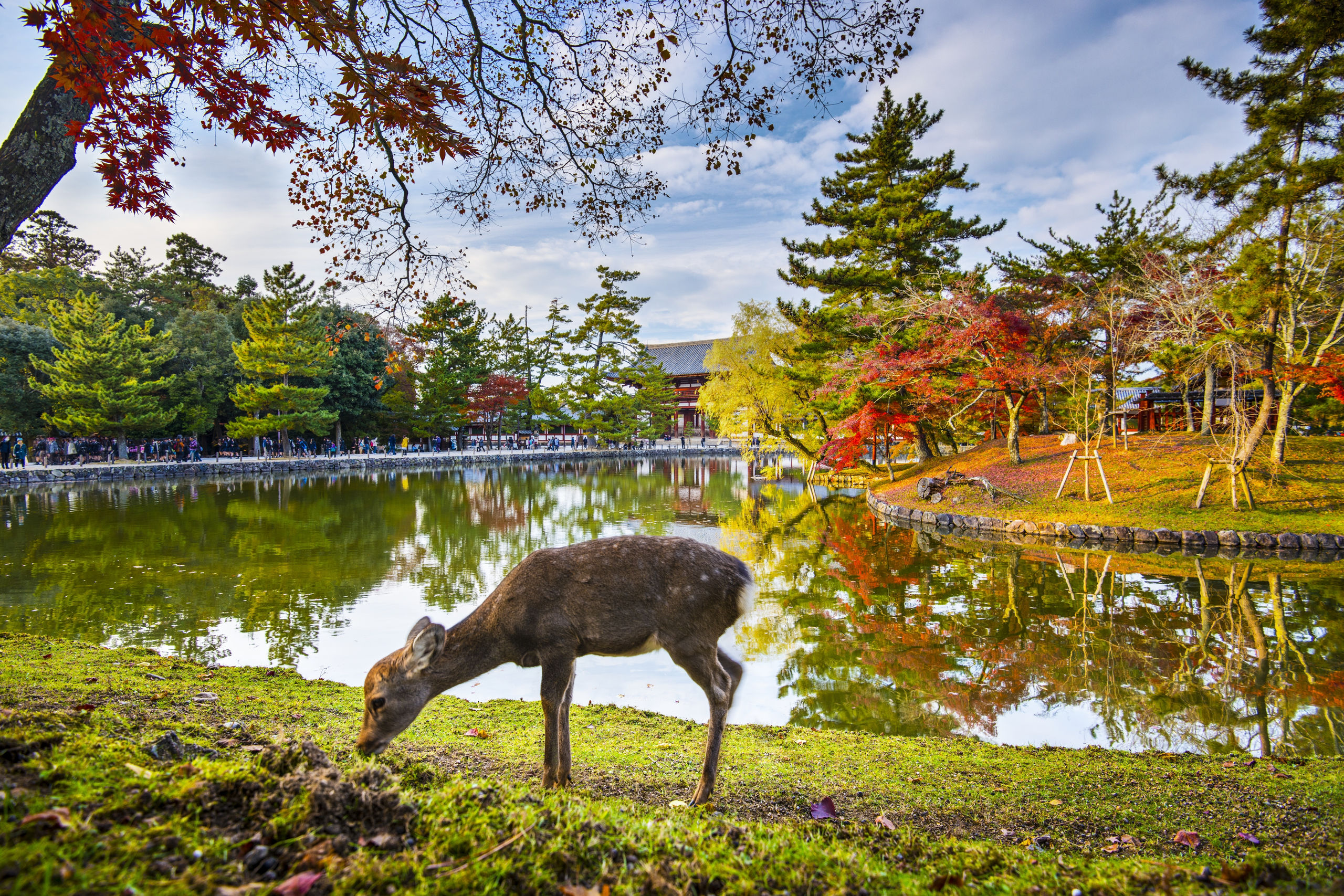
An hour by train from Kyoto station, Nara was the capital of Japan from 710 to 784 and kept a good deal of it. The deer that meet you were long held to be messengers of the gods and are protected now; they bow for a biscuit, and will go through a paper bag to find one.
The park holds the main sites — Kofuku-ji and its five-storey pagoda, and Todai-ji, the largest wooden building in the world, with a bronze Buddha 15 metres high inside it.
Afterwards, walk the old centre and its Edo-period wooden townhouses, narrow at the front and long behind, and work through the local specialities. Mount Wakakusa, 342 metres, is there for anyone who wants the climb and the view over the basin.
Day 10 - Miyajima
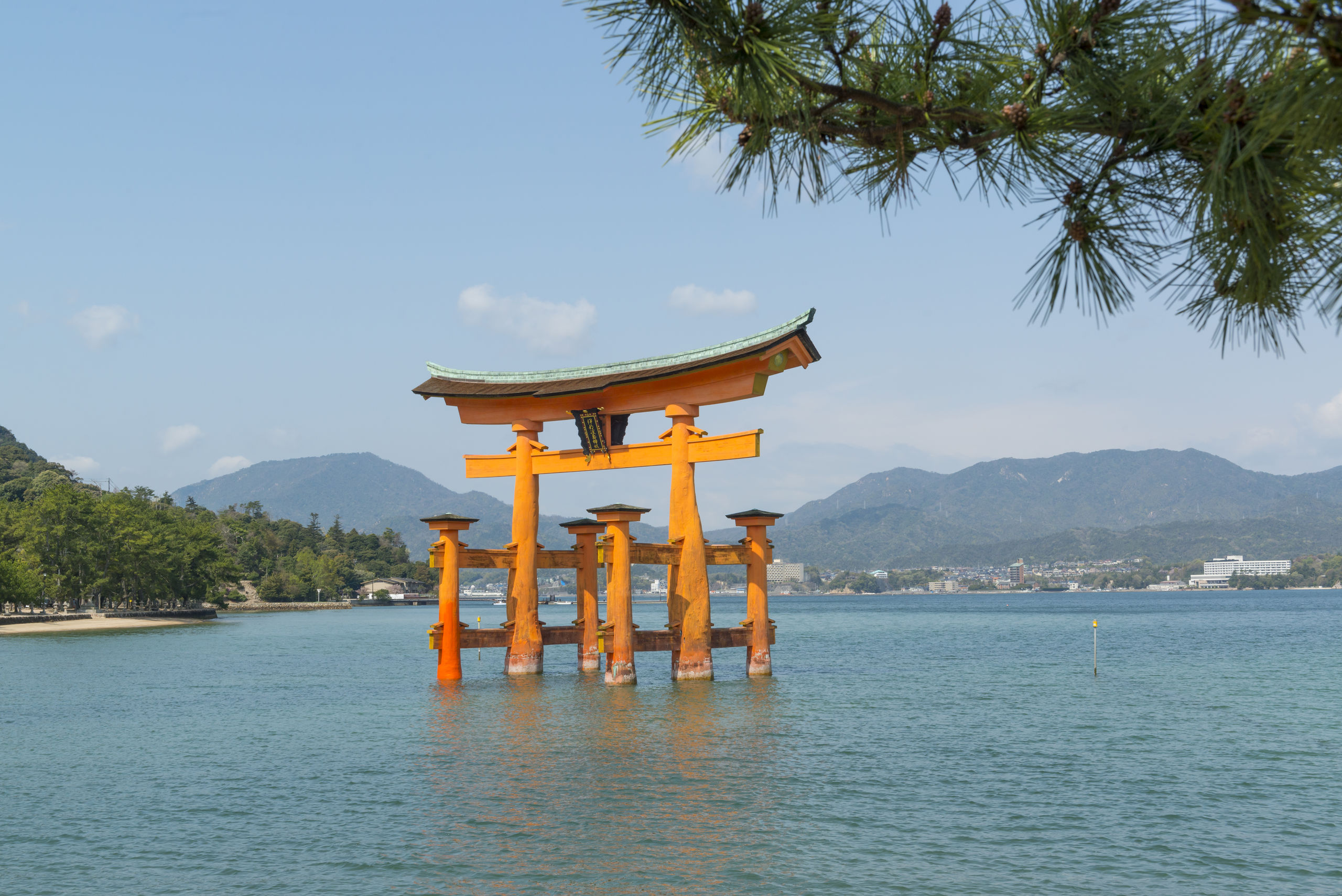
Three hours by train, then a short ferry. The island has been held sacred for centuries — for a long time neither births nor burials were permitted on it — and the deer walk the streets as they do in Nara. The floating torii stands in water at high tide and on wet sand at low, the temples are old, and the walking paths start straight out of the town.
Day 11 - Miyajima
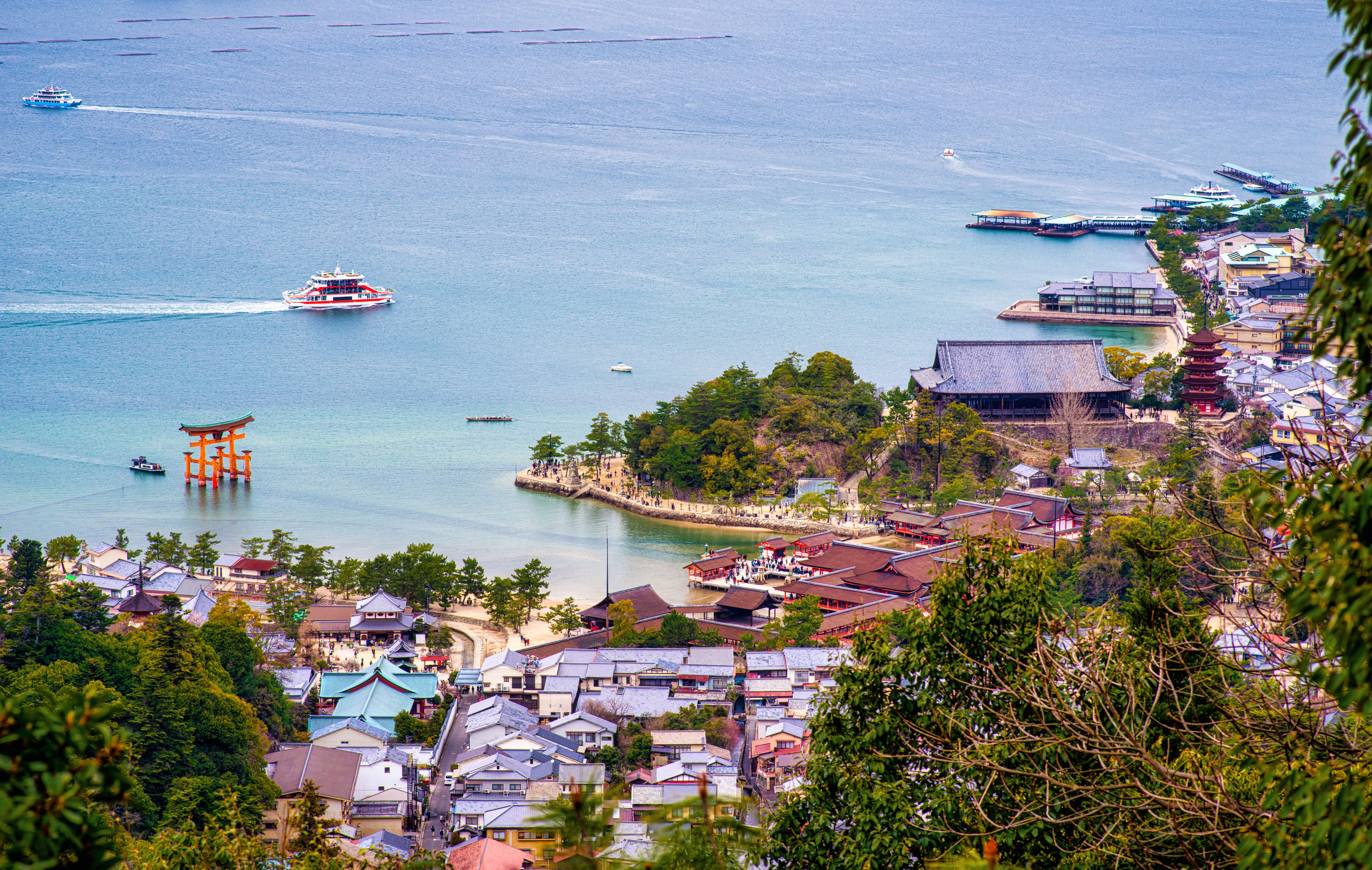
Itsukushima shrine is built on piles over the tideline, so at high water its corridors appear to float on the inland sea. The view is counted among the three classic views of Japan. The shrine is a UNESCO site, and its great vermilion torii — 16 metres, held upright by its own weight rather than by foundations — is the first thing you see as you arrive.
Then Mount Misen, 535 metres. There are walking routes up, an hour and a half to two hours, steep and stepped in places, and a ropeway for those who would rather. Either way the summit gives you the whole of Hiroshima bay, and the monkeys near the top will go through an unattended bag.
Day 12 - Osaka
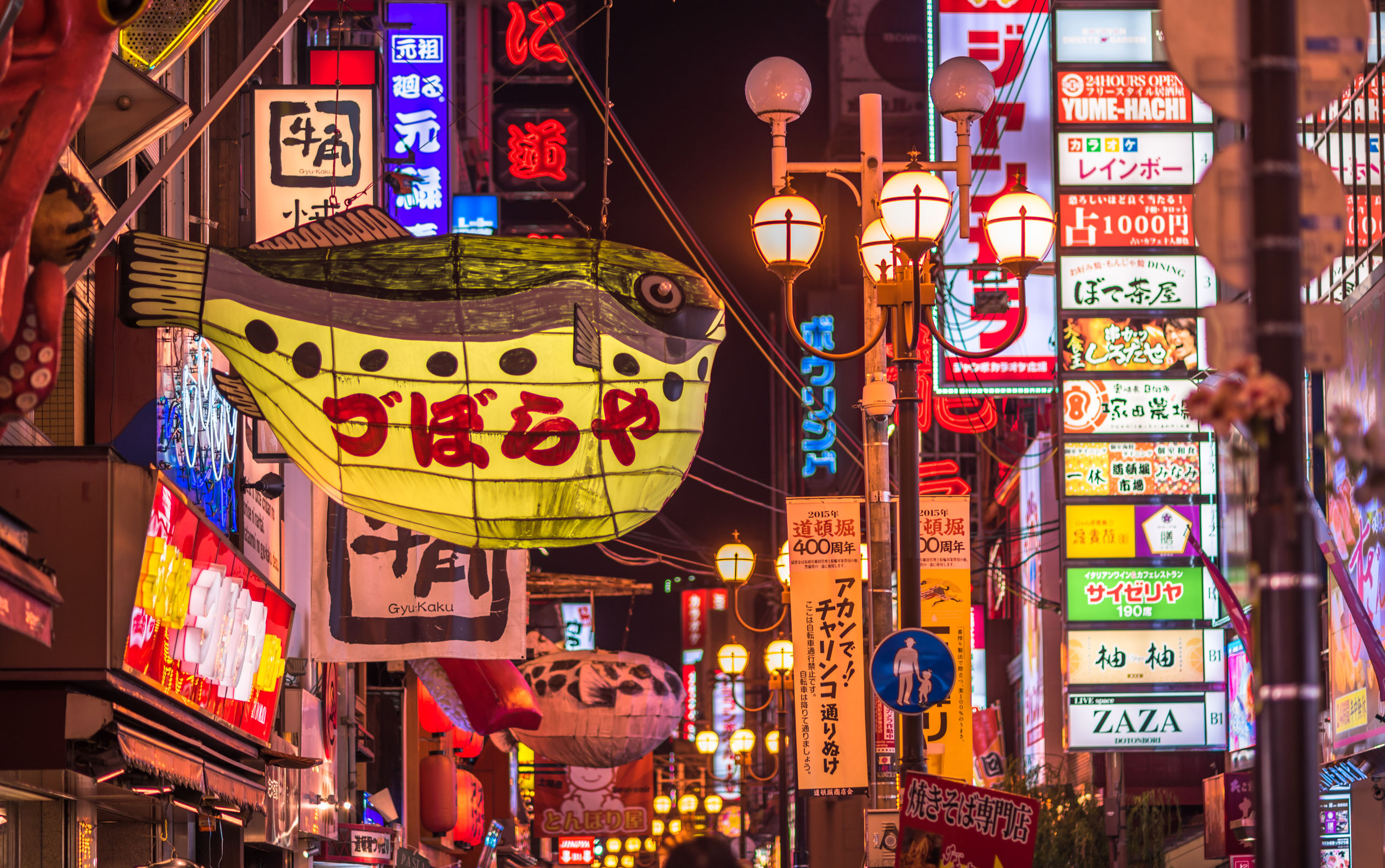
A train to Osaka this morning. Osaka is the regional capital of the Kansai, both Tokyo’s sister city and its rival, and it holds plenty for anyone who travels by walking, eating and being surprised.
It is a city with a comic tradition of its own, and the ease that goes with it: conversations start at counters without much prompting. Umeda and Dotonbori for the late hours, Kuromon for fish sold across ice in the morning, Shinsaibashi for the covered shopping street that runs almost a kilometre.
Day 13 - Osaka
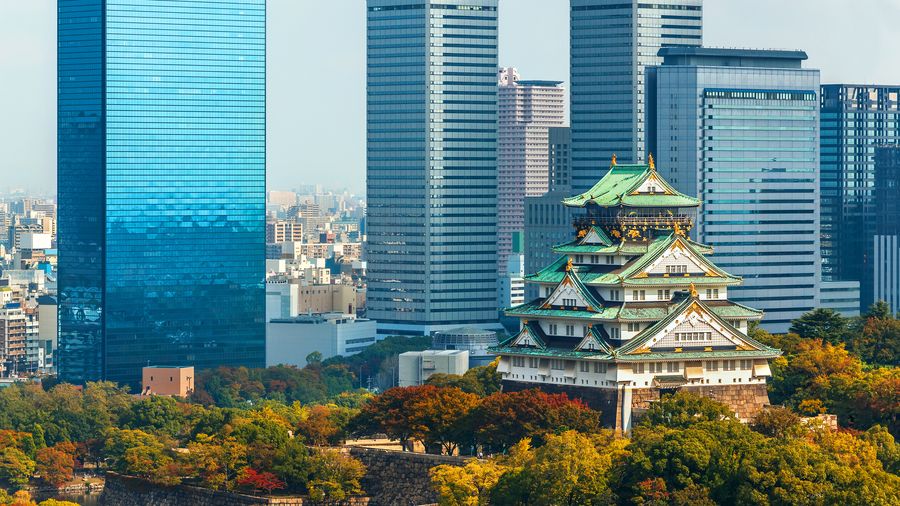
A full day for Osaka. The comparison people here make themselves is the one between Marseille and Paris: the same country, a different temperament. Regional capital of the Kansai, sister city to Tokyo, and its rival.
What you find is a Japan that is louder and quicker to joke than the business districts of Tokyo lead visitors to expect. Standing counters, takoyaki turned with a metal pick, the castle in the morning and the canal at night. Start the conversation and it will keep going.
Day 14 - Departure
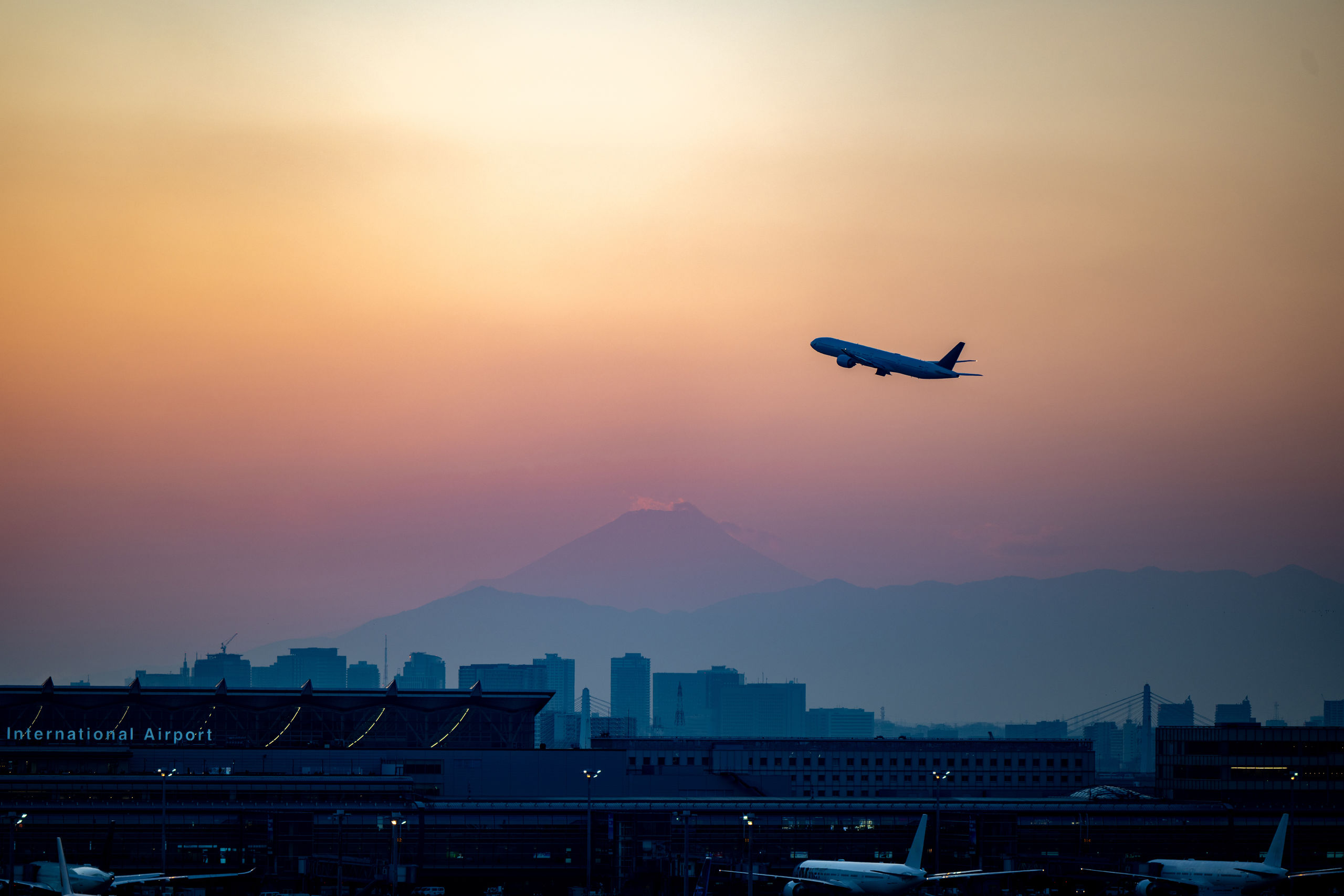
Depending on the time of your return flight, there is often room for one last hour in the city — a market, a coffee, the shopping street you kept walking past.
The airport is reachable by public transport: from Namba, the Nankai line takes about 40 minutes to Kansai.
Until the next journey.
Transfer times
| Day | Mode | From | To | Time |
|---|---|---|---|---|
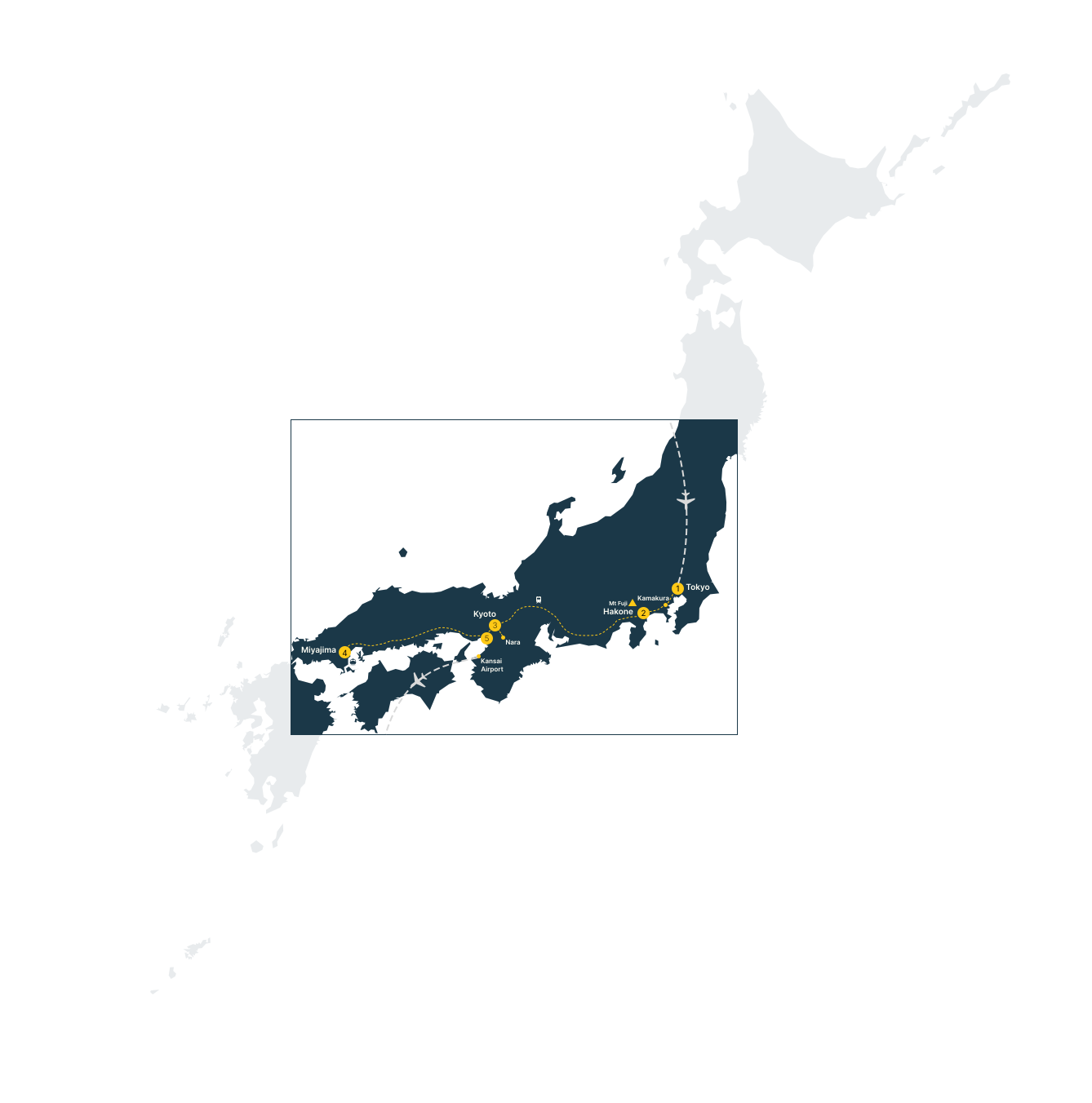
| 05 | Train | Tokyo | Hakone | 2h30 |
| 06 | Train | Hakone | Kyoto | 4h |
| 10 | Train & Ferry | Kyoto | Miyajima | 4h |
| 12 | Train & Ferry | Miyajima | Osaka | 3h |
What’s included
What is included depends on the style of travel.
We cover what you need so that the logistics stay out of the way.
- Three-star accommodation.
- Airport transfers.
- Transport passes in ordinary class where needed.
- Breakfast every day, and a few dinners.
Accommodation
The list below is an example, given to show the category of accommodation.
| Night | Hotel |
|---|---|
| Tokyo | 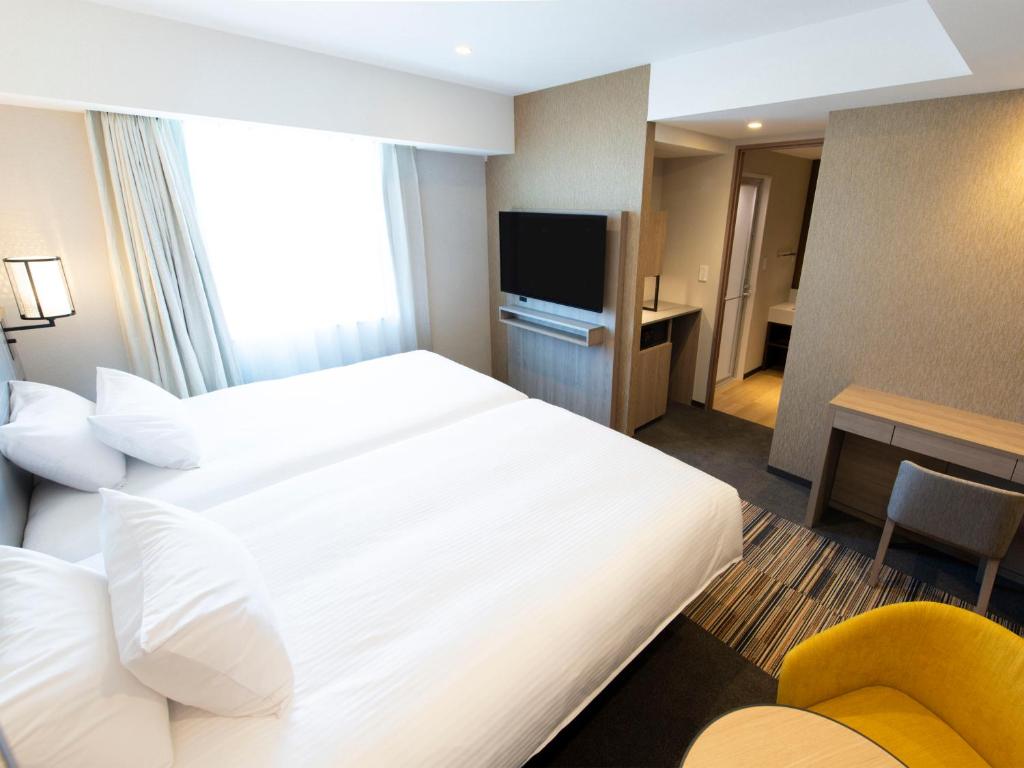 |
| Hakone | 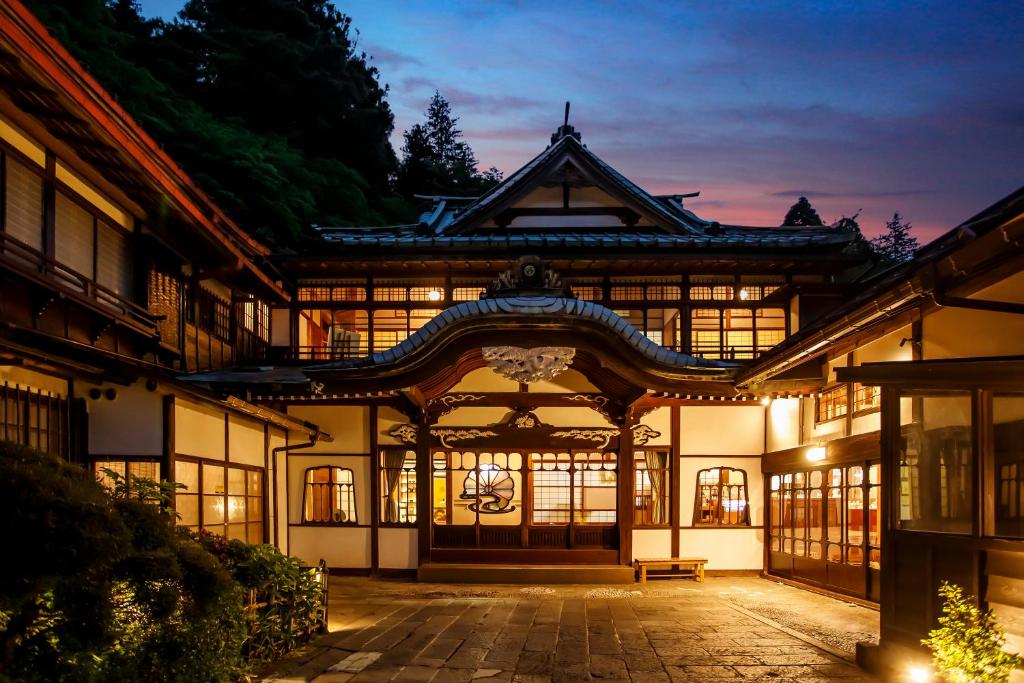 |
| Kyoto | 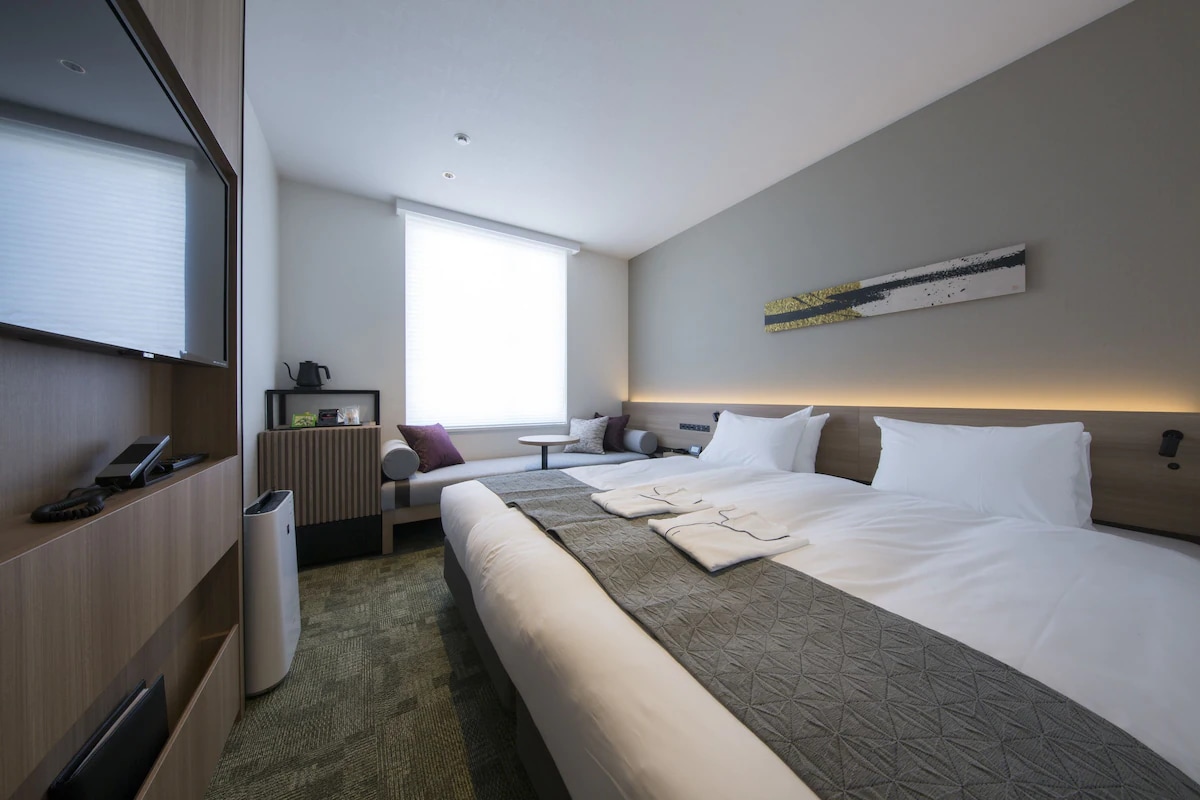 |
| Miyajima | 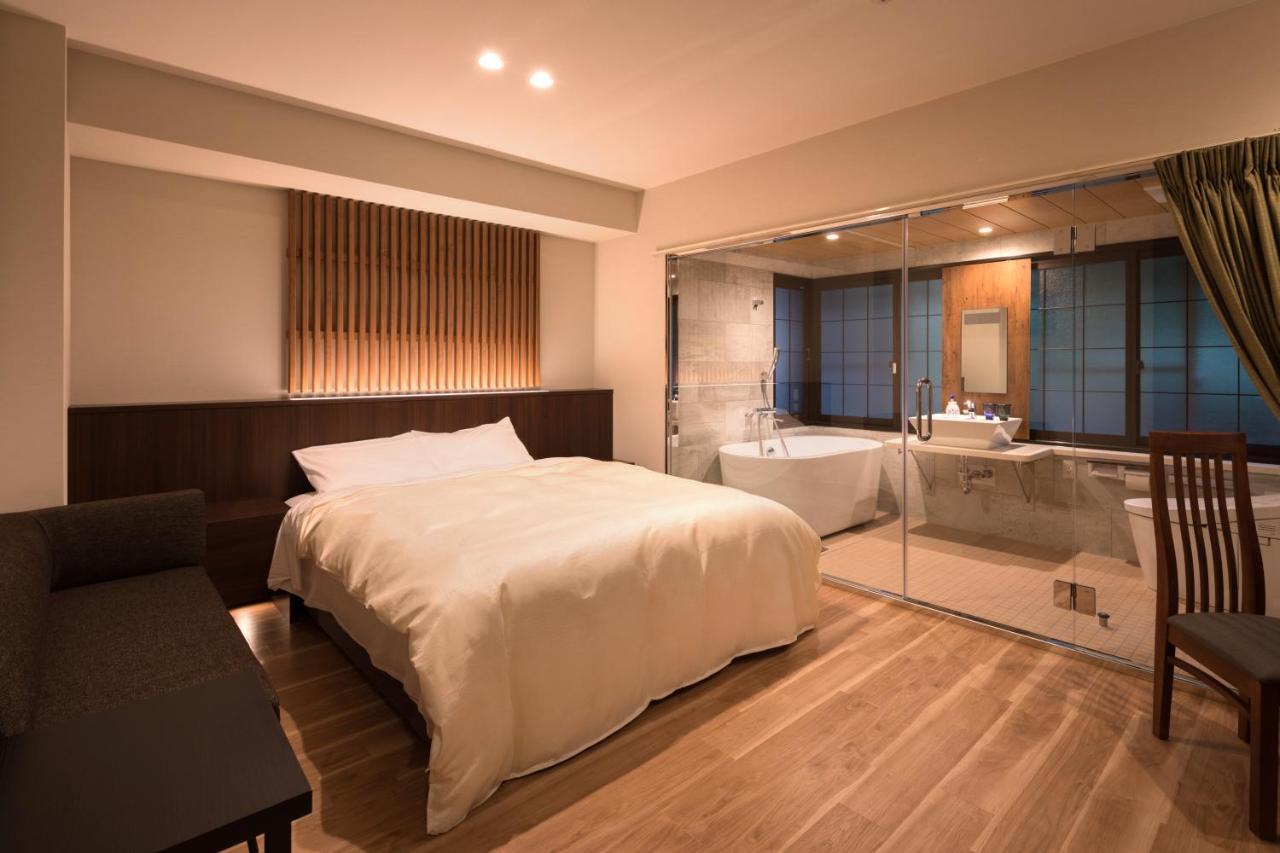 |
| Osaka | 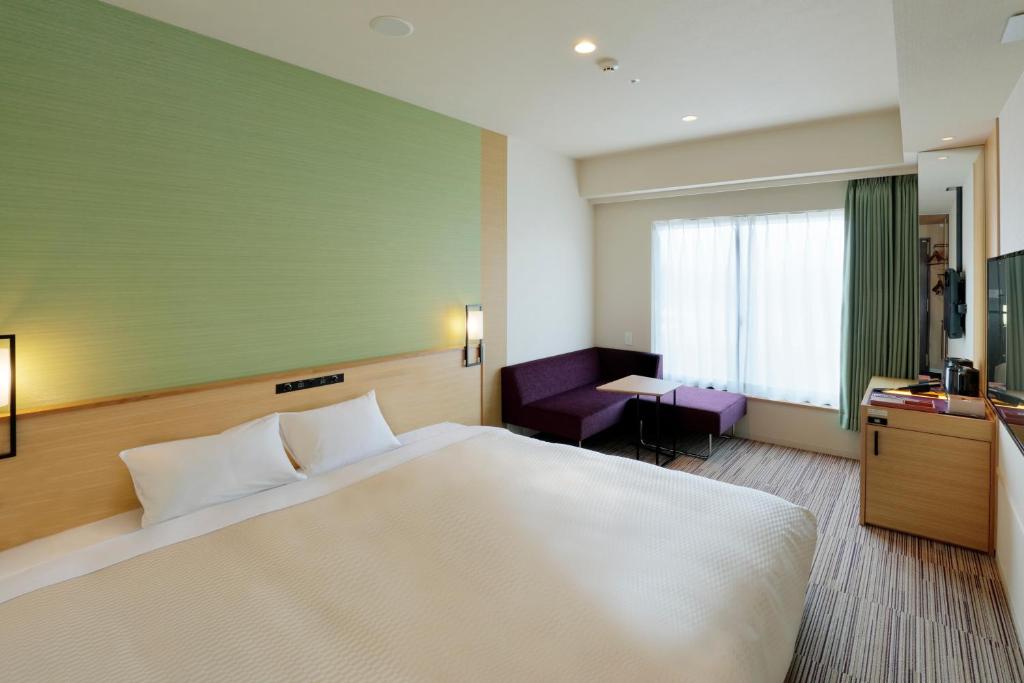 |
Meals included
16 meals included: 13 breakfasts and 3 dinners.
| Day | Night | Meals included |
|---|---|---|
| 01 | Tokyo | X |
| 02 | Tokyo | Breakfast |
| 03 | Tokyo | Breakfast |
| 04 | Tokyo | Breakfast |
| 05 | Hakone | Breakfast & dinner |
| 06 | Kyoto | Breakfast |
| 07 | Kyoto | Breakfast |
| 08 | Kyoto | Breakfast |
| 09 | Kyoto | Breakfast |
| 10 | Miyajima | Breakfast & dinner |
| 11 | Miyajima | Breakfast & dinner |
| 12 | Osaka | Breakfast |
| 13 | Osaka | Breakfast |
| 14 | Flight | Breakfast |
Services included
- The roadbook
- Day 1 - Pocket Wi-Fi router hire for the whole stay
- Day 1 - Japan Rail Pass valid 14 days
- Day 1 - Suica card loaded with 2500JPY
- Day 1 - Airport transfer by taxi with an English-speaking driver
- Day 5 - A “Hakone Free Pass” valid 2 days from Odawara station
- Day 14 - Airport transfer by taxi with an English-speaking driver
Not included
- International flights
- Entry to sites other than those listed as included
- Meals other than those listed as included, and all drinks
- Transport other than that listed as included (taxis, ferry)
- The tourist accommodation tax, between 100 and 500 yen per night per person, collected in cash on arrival at hotels in the larger cities
- The hot-spring tax, about 150 yen per night per person, collected in cash on arrival in onsen towns
- Luggage forwarding (allow 2000 yen per bag per shipment - 2 shipments)