
Map
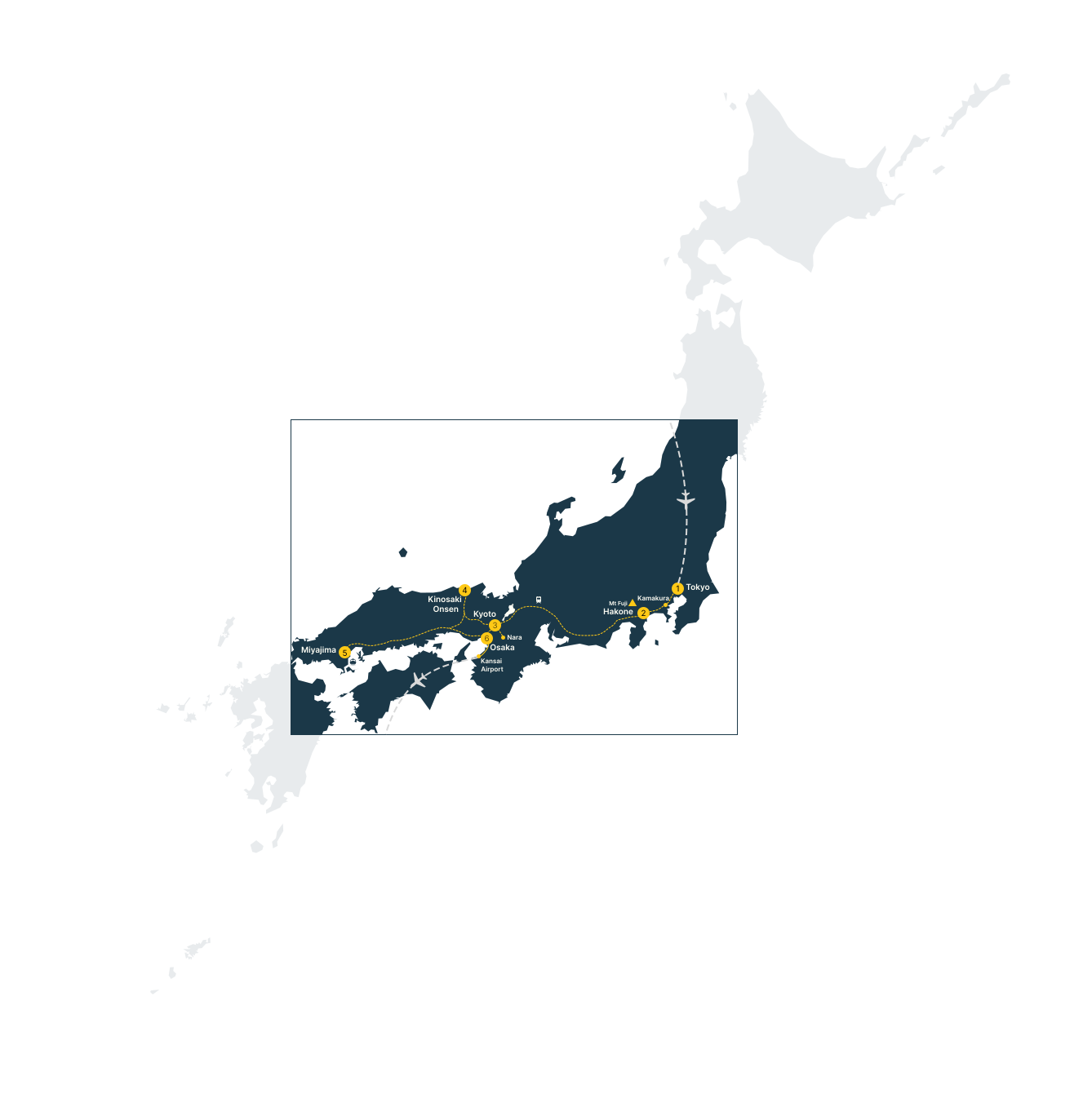
Itinerary
Day 1 - Tokyo
Your first contact with Japan is one of our English-speaking guides, waiting at the airport. From there it is about 45 minutes by train to your accommodation.
In the evening, consider an izakaya. The counter seats eight or ten, the menu is written on paper strips pinned to the wall, and the food arrives two plates at a time, in no particular order. It is where most of Japan eats out.
Day 2 - Tokyo

Today, the Shitamachi — literally the low city, the older, working half of Tokyo, laid out at the foot of the districts along the Yamanote line that once belonged to the nobles and their retainers.
Walk with your English-speaking guide through Ueno and Asakusa. Incense drifts from the cauldron in front of Senso-ji, a temple founded in 628, and the shops along Nakamise-dori still sell hand-cut brushes, wooden combs and rice crackers grilled in the doorway. The two districts sit a few stops apart and read as two different cities: one built around a park and a university, the other around a temple and the trades that have served it for four hundred years. Your guide will tell you which streets to come back to on your own.
Day 3 - Tokyo
Start early, while the streets still belong to delivery vans and shopkeepers hosing down the pavement. The city smells of wet concrete and coffee at that hour.
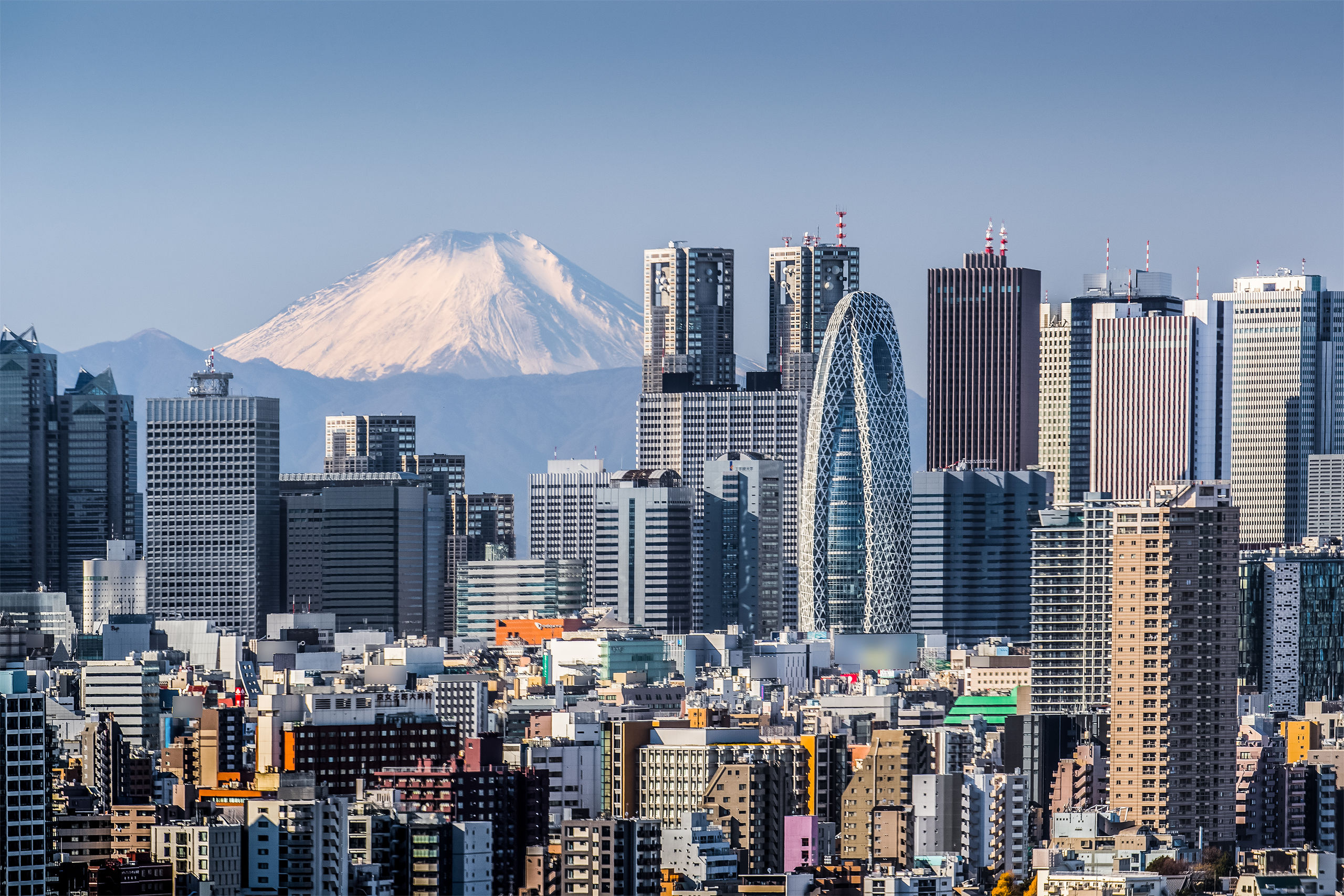
From Harajuku to Shinjuku, Tokyo changes character every few stops on the Yamanote line. Takeshita-dori is barely three metres wide and lined with second-hand clothes; twenty minutes later you are under the sixty-storey offices of west Shinjuku; twenty minutes after that, in Omoide Yokocho, where a dozen counters grill yakitori beneath a ceiling of ducting and cable.
Eat as you go. A standing soba counter near a station will feed you in eight minutes for under 500 yen, and the broth is often better than in the restaurants above it.
The two Tokyos hold at once — glass towers, and two streets behind them lanes where someone waters plants in front of a house. Neither cancels the other, and the walk between them is the interesting part.
Day 4 - Tokyo
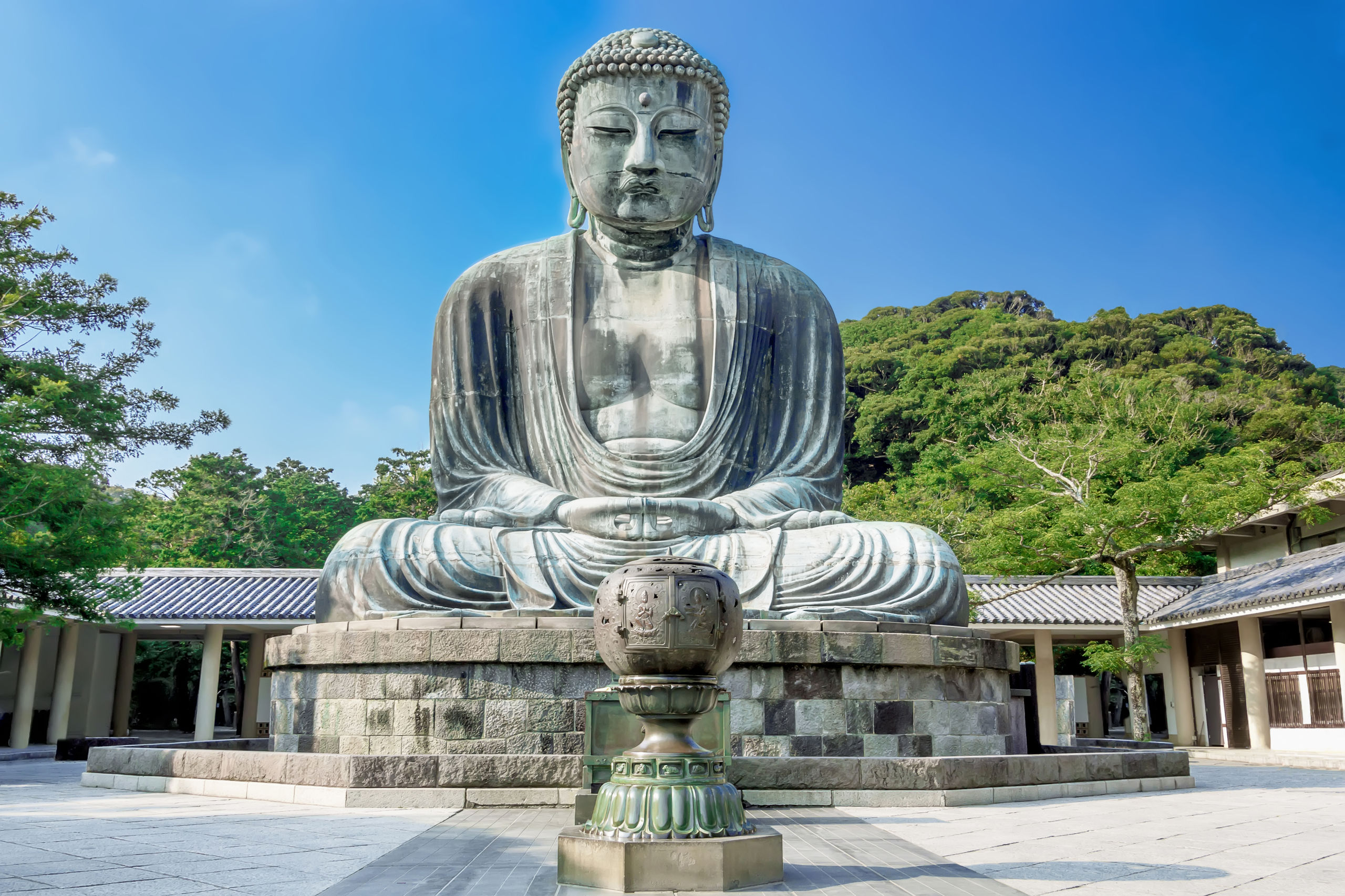
One hour from Tokyo on the JR line, Kamakura sits between wooded hills and the Pacific. It was the seat of government from 1185 to 1333, and the temples of that period are still working temples, not monuments. Explore the halls and gardens dedicated to Kannon, and what four hundred years of daily practice does to a place.
Hase-dera keeps a wooden Kannon a little over nine metres tall, and its terrace looks down across the roofs to the sea. The Great Buddha at Kotoku-in has stood in the open air since a tsunami carried off its hall in 1498; the bronze is 11.4 metres high and has gone green with age. Then the beach, ten minutes on foot, where surfers go in year round.
Day 5 - Hakone
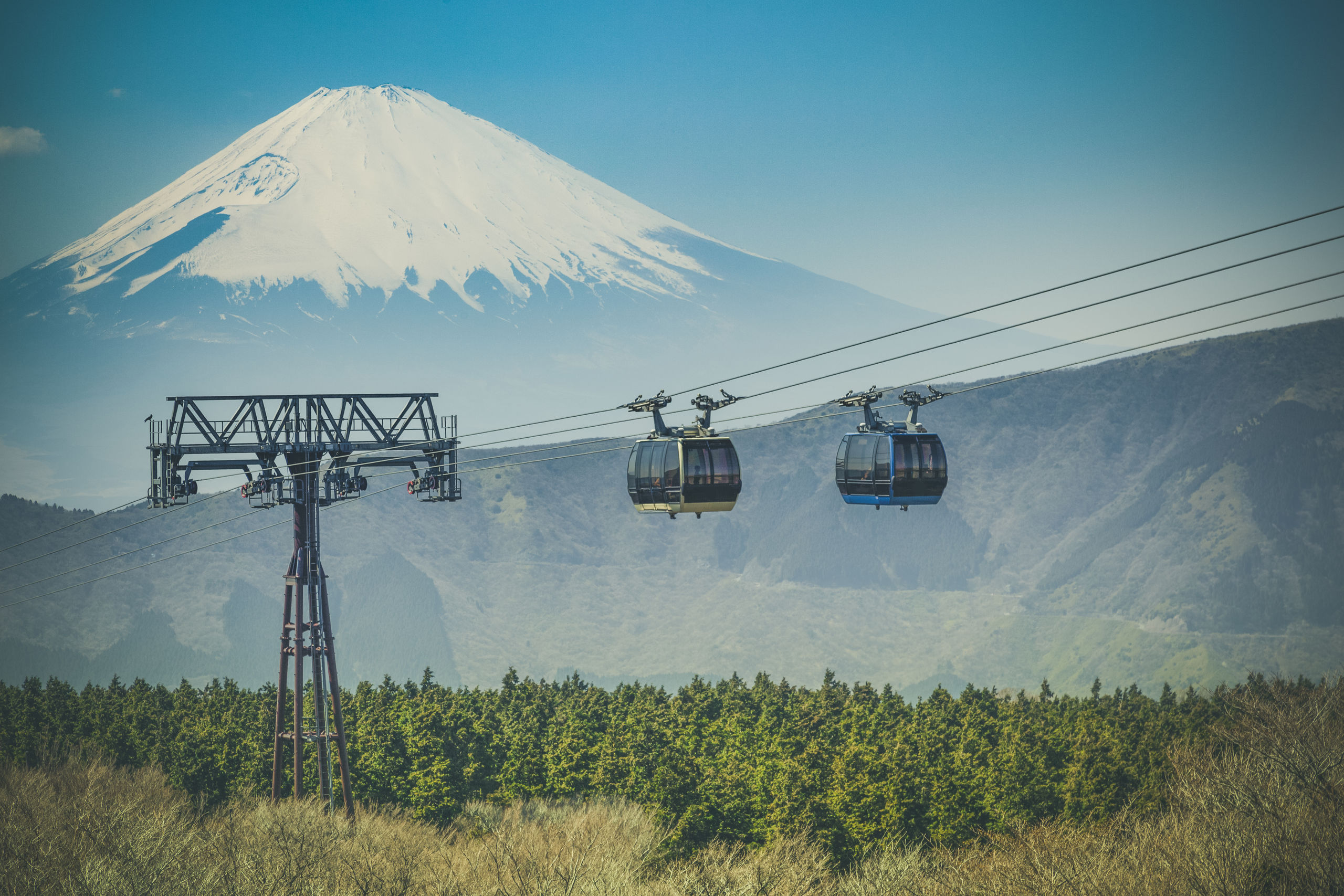
After four days in the city, a pause. The train brings you to Hakone, known across Japan for its hot springs.
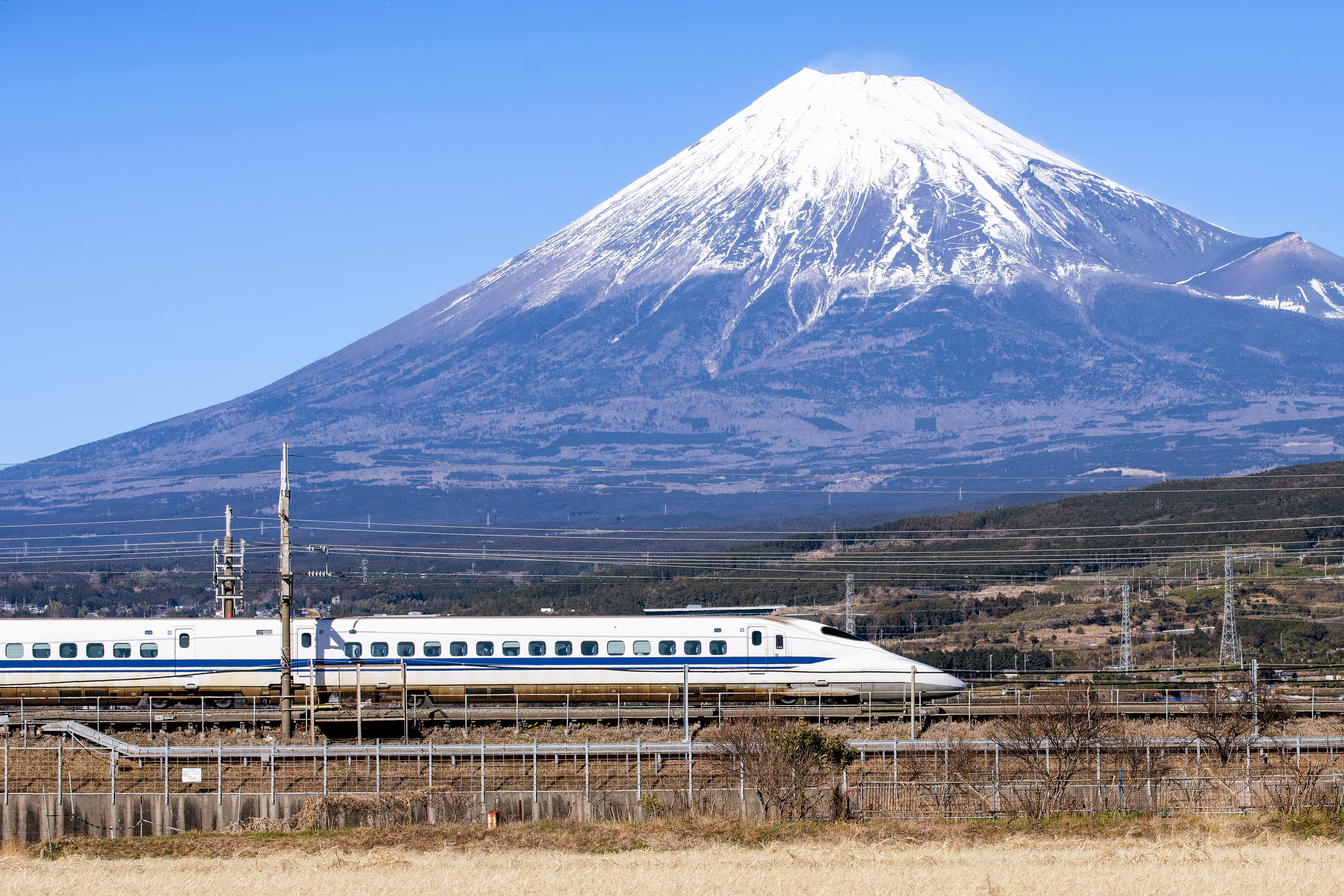
Mount Fuji appears from the funicular, and again from the boat across Lake Ashi — clearest in the morning, before the cloud builds around the summit. At Owakudani the vents smell of sulphur and the ground is warm underfoot. Later, the bath: water that reaches the tub already hot from the ground. You sleep in a ryokan — tatami, a futon laid out while you are at dinner, a shared bath, and floorboards that announce anyone walking the corridor at night.
Total transport time: 3h30 by train
Day 6 - Kyoto
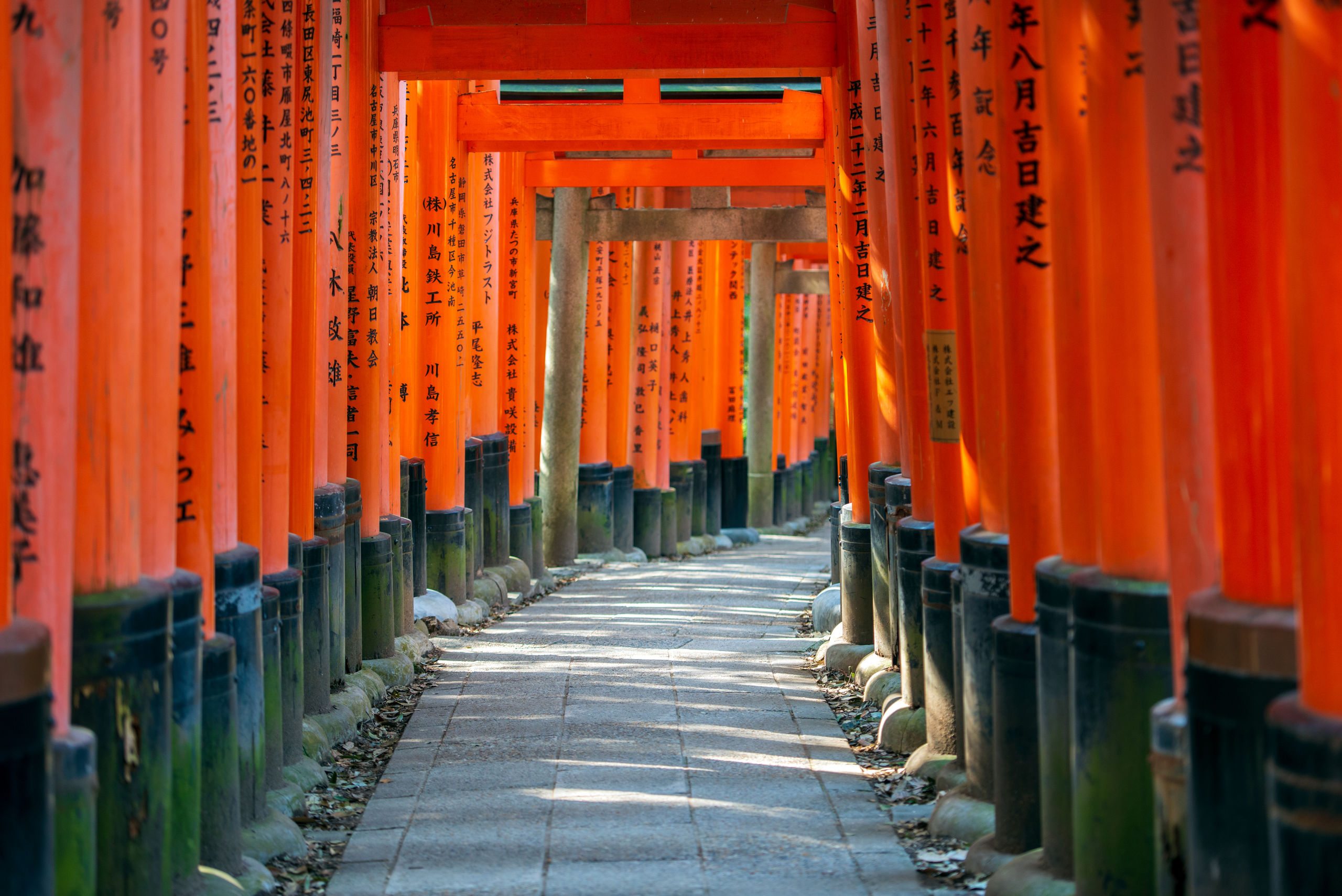
Once in Kyoto, drop your bags at the hotel. Then we suggest Fushimi Inari. Five minutes away on the Nara line (Local Joyo service), it is one of the best-known shrines in the country. Walk up between its vermilion torii — some ten thousand of them, each paid for by a business and inscribed with its name — and look at the fox statues at the gates, messengers of the deity Inari. The higher you climb, the fewer people there are. On the way back, take the time to look at Kyoto station itself: 470 metres of steel and glass by Hiroshi Hara, opened in 1997, and still argued about locally.
Day 7 - Kyoto
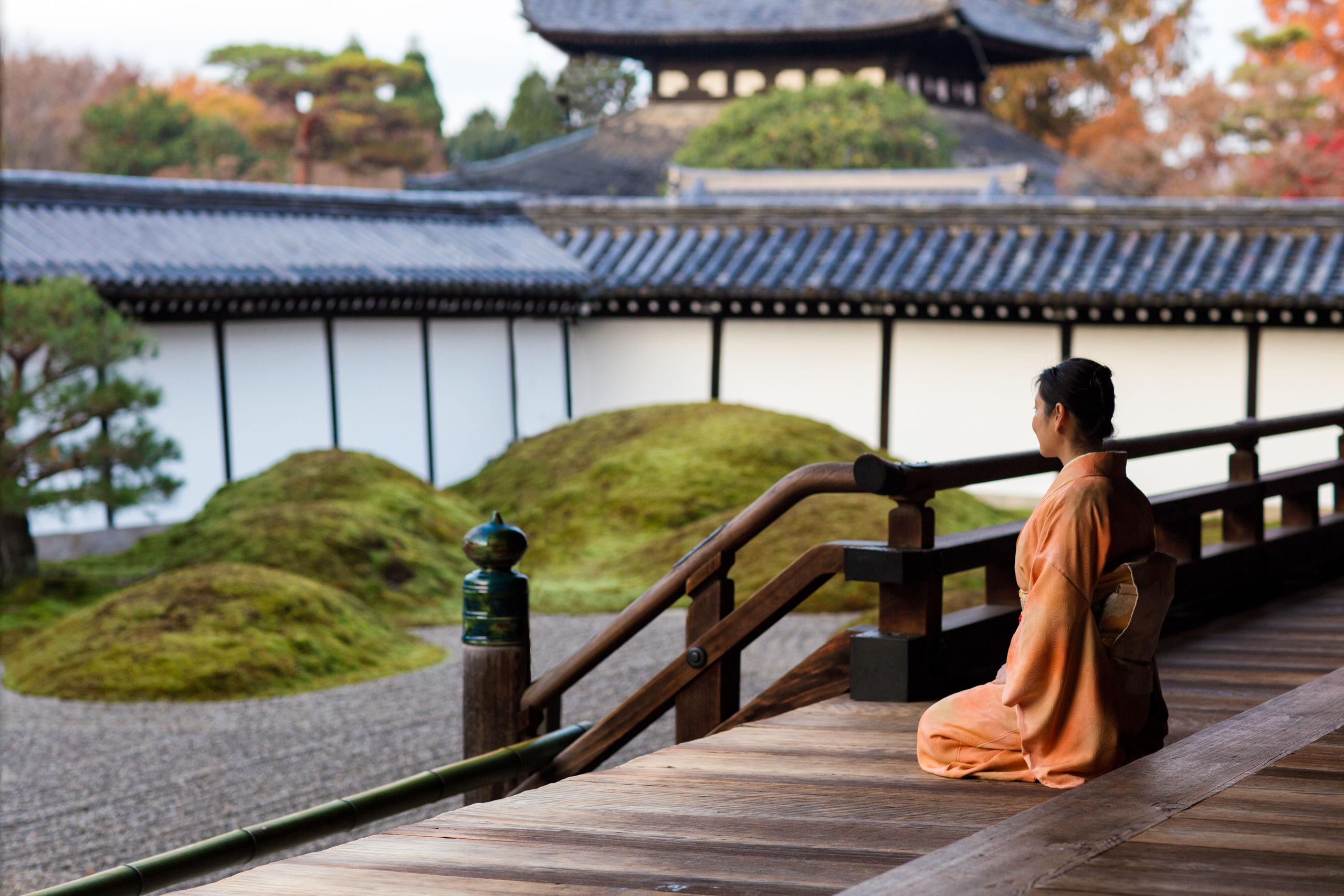
Today, the eastern side of Kyoto with your English-speaking guide.
Ginkaku-ji, the Silver Pavilion, was never silvered — the name stuck anyway. It is a National Treasure, and its karesansui dry garden is raked into a cone of sand and a field of ridges, redone by hand. From there the Philosopher’s Path follows an old canal for about two kilometres under cherry trees to Nanzen-ji.
Afterwards, the streets. Teramachi is an arcade of second-hand bookshops and old stationers; Nishiki market runs five blocks of stalls selling pickles, knives and tamagoyaki cooked in front of you.
Kansai cooking is its own thing — lighter dashi, less soy than Tokyo. Eat where the queue is local.
Day 8 - Kyoto
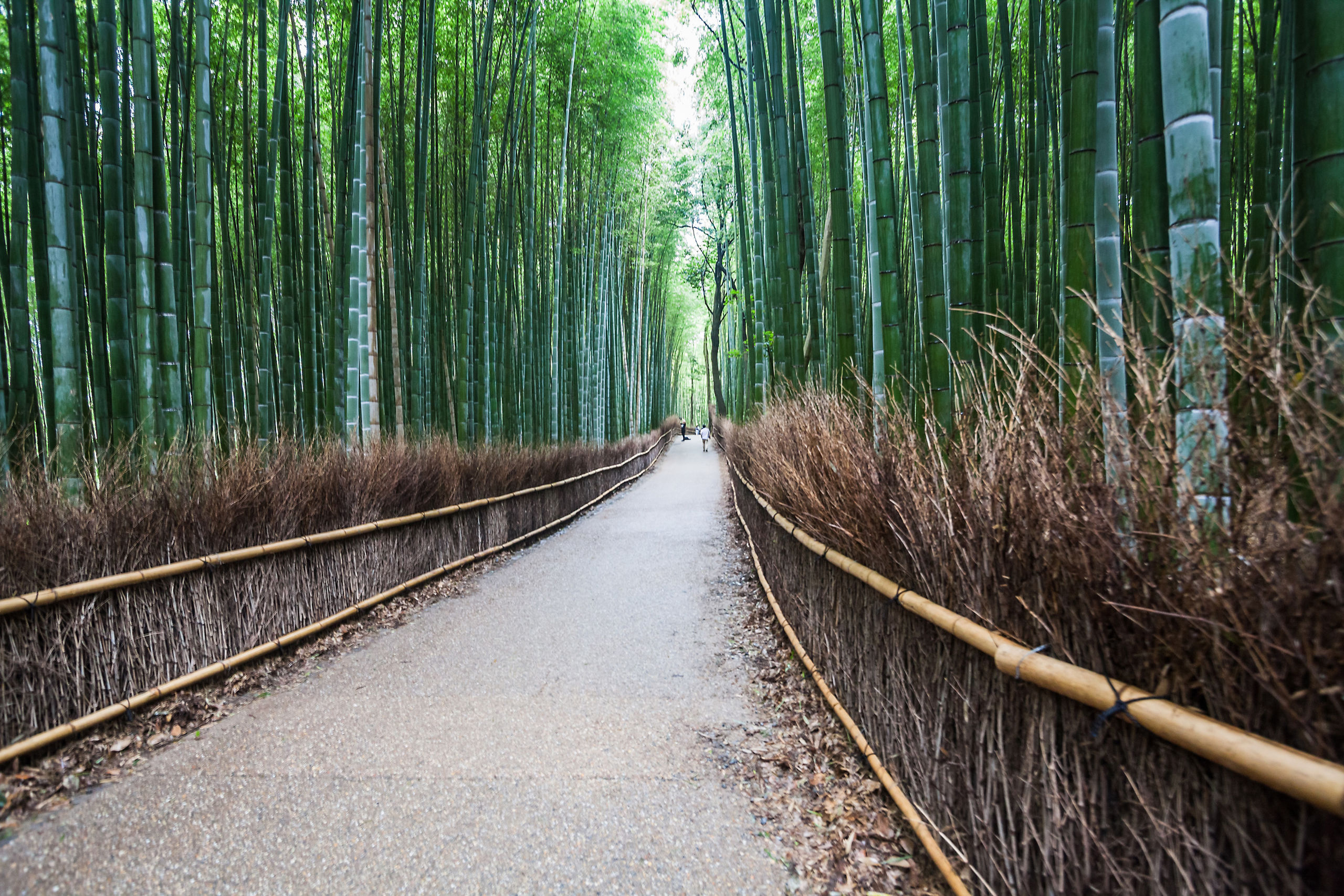
Today you cross to the west of the city. Start at Arashiyama, where the bamboo grove is best before nine and the sound matters more than the sight — the stems knock against each other in any wind. Tenryu-ji stands beside it, a UNESCO World Heritage site whose garden has held its 14th-century shape. Then a walk along the Katsura river, which rewards a slow pace in any season.
In the afternoon, north to Kinkaku-ji, the Golden Pavilion, and its reflection in the pond inside a ring of trees. To round out the afternoon we suggest Ryoan-ji, whose dry garden holds fifteen stones arranged so that you can never see all fifteen at once from the veranda. If you have had enough of crowds, Daitoku-ji and its sub-temple gardens are quieter.
Day 9 - Kyoto
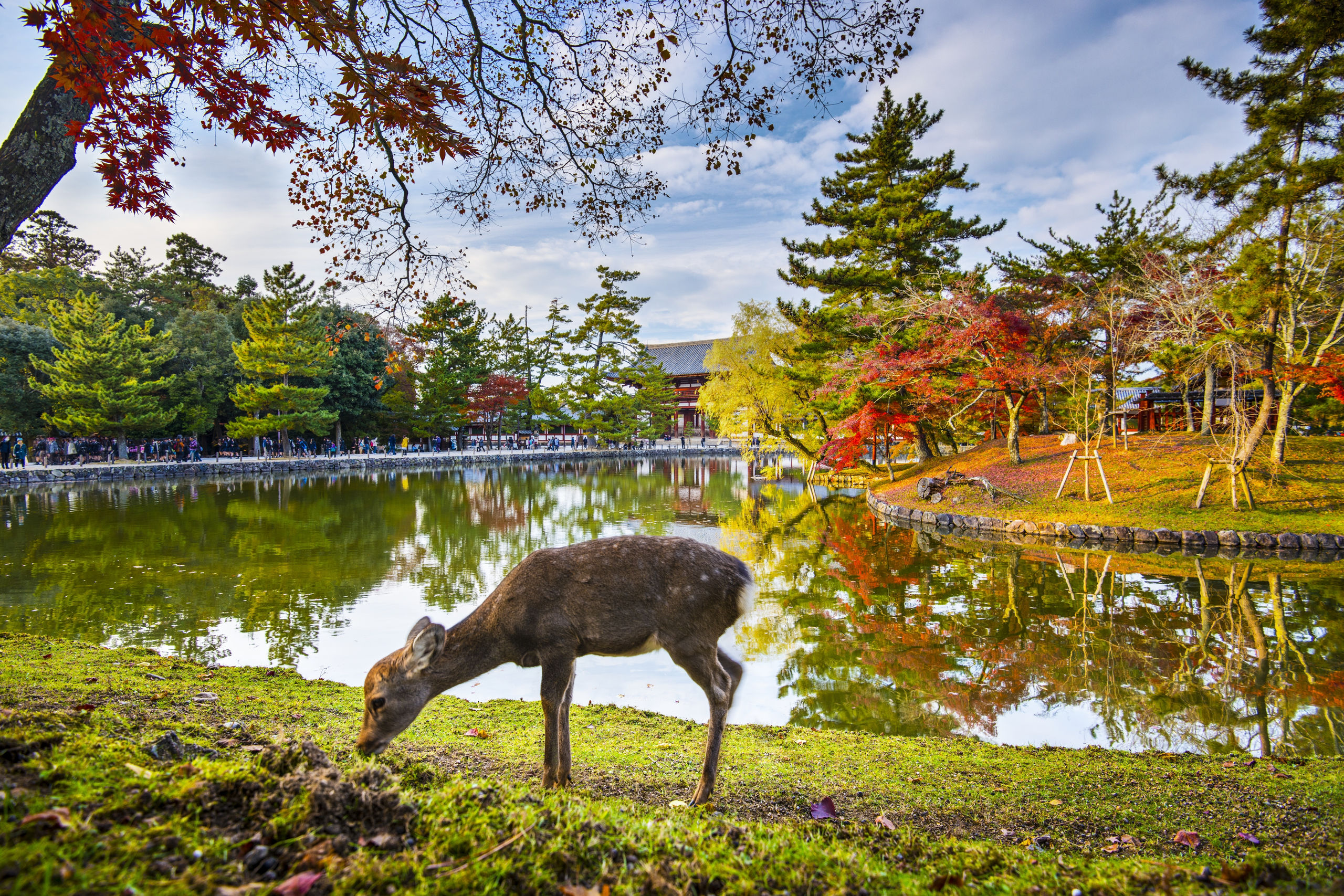
One hour by train from Kyoto station, Nara — Japan’s first permanent capital, from 710 to 784 — holds a good deal of that history within walking distance. The deer meet you first. Once treated as messengers of the gods, about 1,200 of them now live in the park where the main sites also stand: Kofuku-ji with its five-storey pagoda, and Todai-ji, long described as the largest wooden building in the world, holding a bronze Buddha cast in 752.
Then the town centre, where the Edo-period wooden houses of Naramachi keep their lattice fronts, and the local specialities — among them kakinoha-zushi, sushi wrapped in a persimmon leaf. Those with the legs for it can climb Mount Wakakusa, 342 metres, about half an hour up.
Day 10 - Kinosaki Onsen
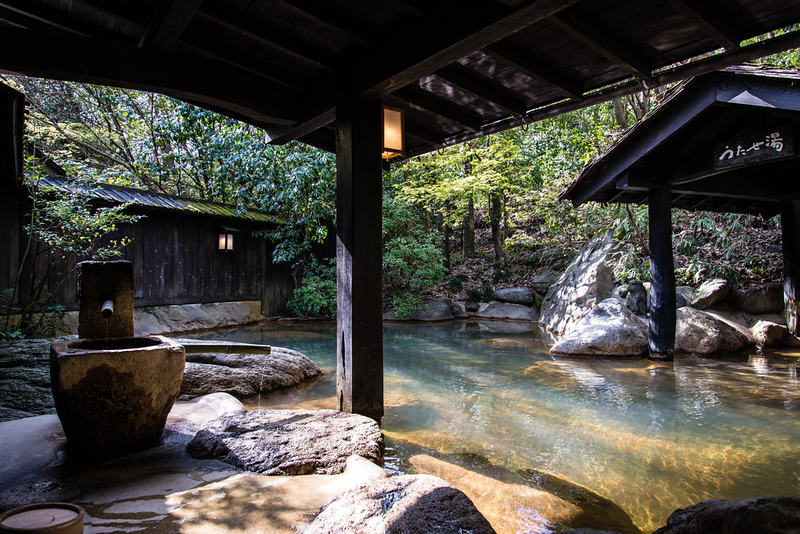
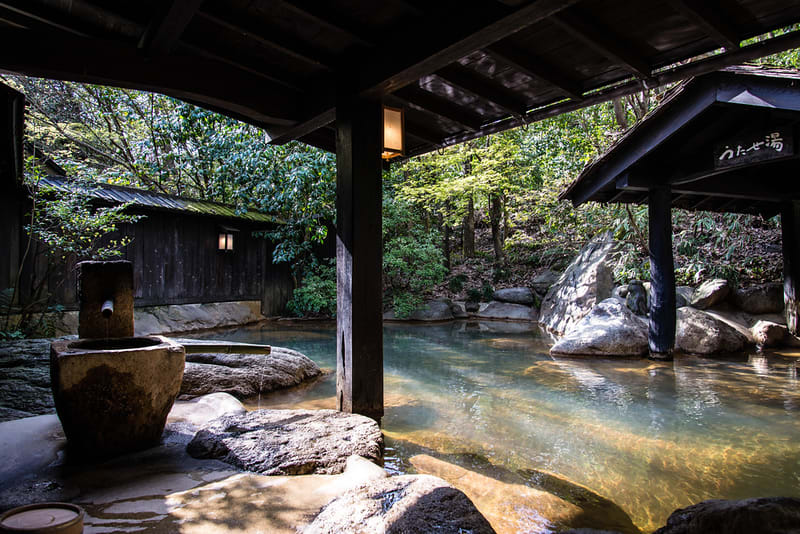
Three hours by train from Kyoto, Kinosaki is a hot-spring town built along a canal lined with willows and stone bridges. Guests change into yukata and wooden geta at their inn and go out to the seven public baths — the soto-yu — carrying a wooden pass. In the evening the sound of the town is geta on paving.
The baths keep different hours and different characters: Ichino-yu is cut back into the rock, Goshono-yu has an outdoor pool below a waterfall. Your roadbook has the opening times, which is the only planning the evening needs.
Day 11 - Miyajima
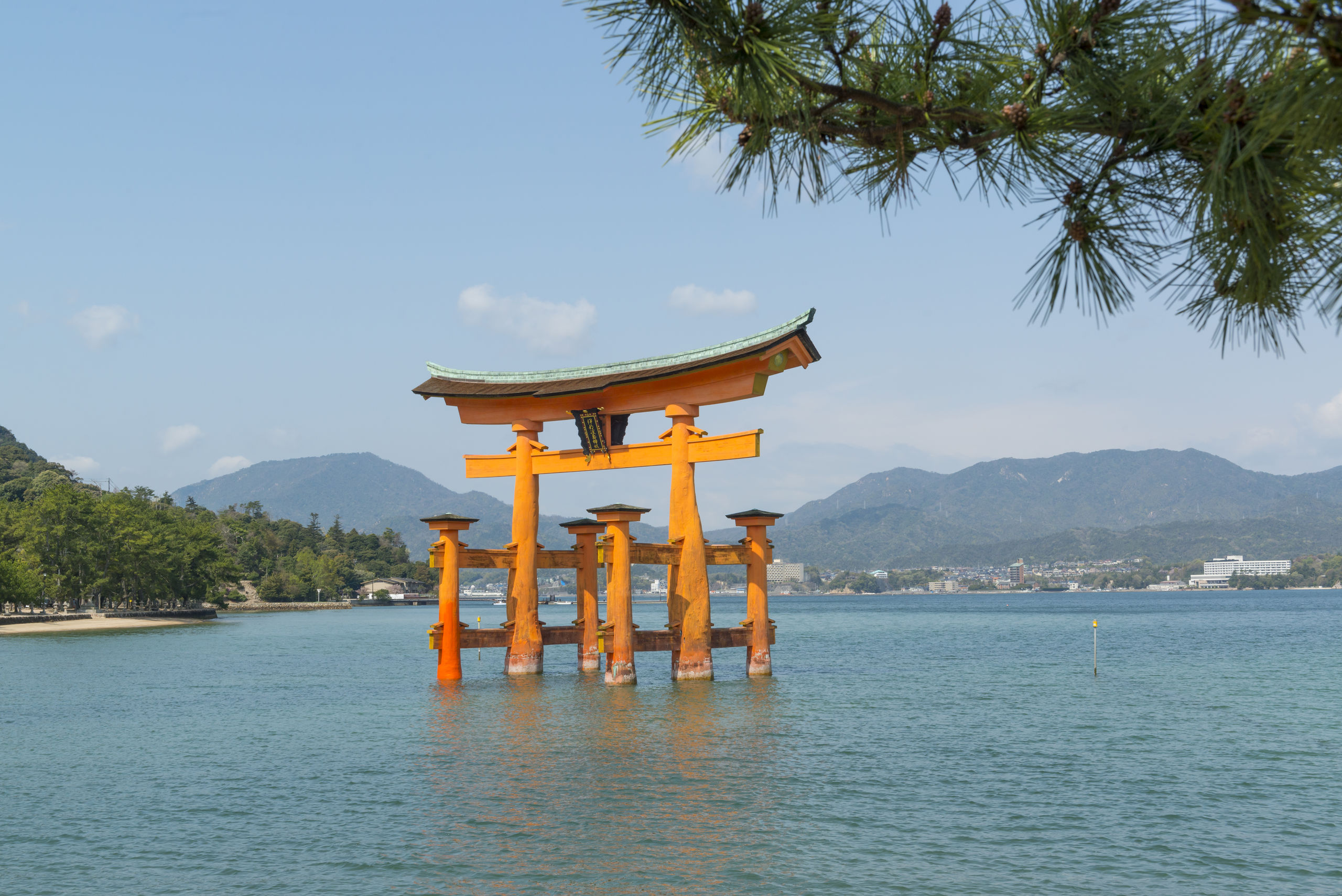
A few hours by train from Kinosaki Onsen, then the ferry across to Miyajima. The crossing takes ten minutes and the torii comes into view from the deck.
Most visitors leave on the late-afternoon boats. After that the island belongs to whoever is staying: the deer, the shopkeepers closing up, and the shrine lit against the water. There is nothing to do in the evening, which is the reason to stay two nights.
Day 12 - Miyajima
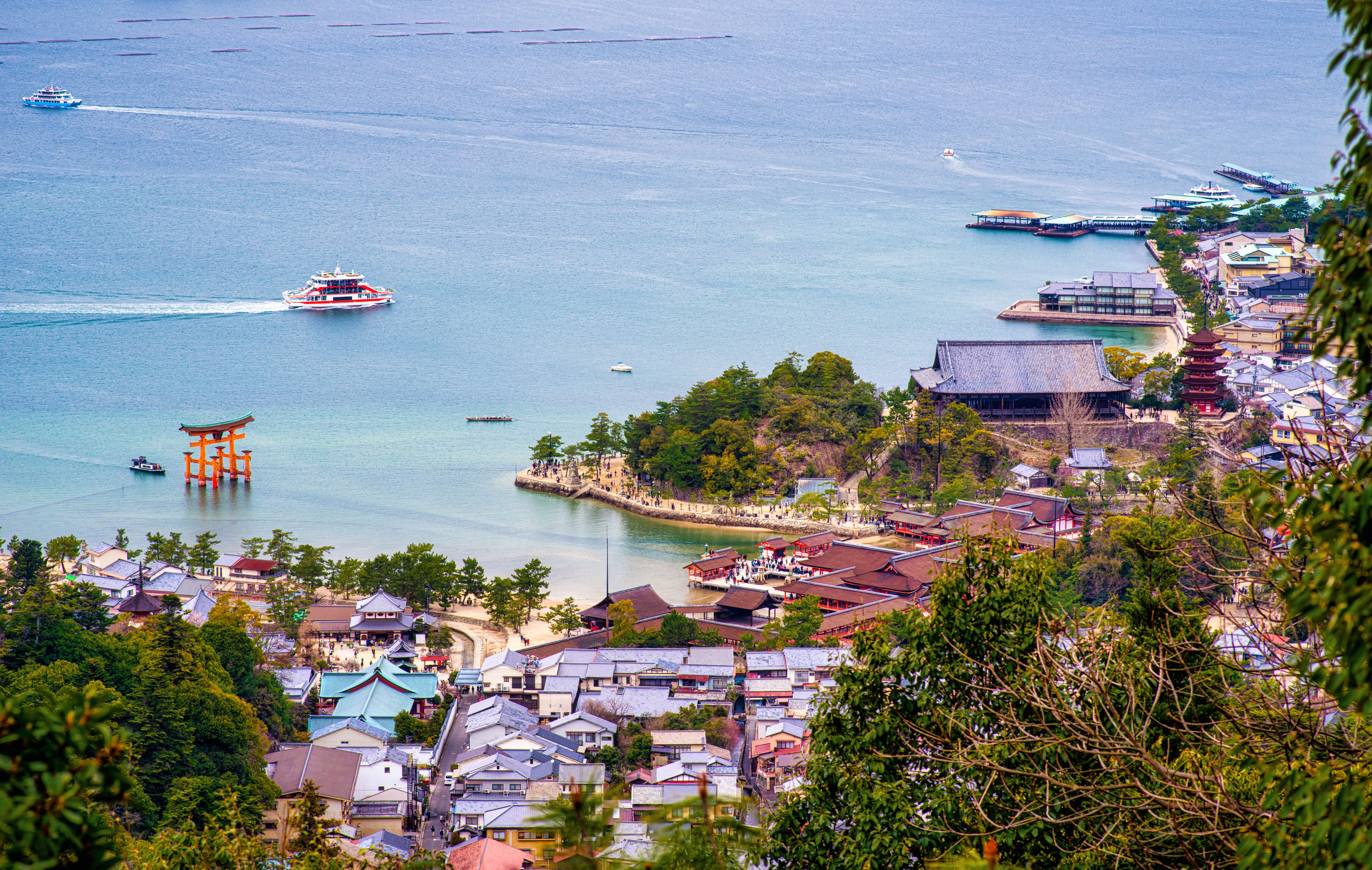
Itsukushima shrine is built out over the water on piles, so that at high tide its corridors appear to float on the Seto Inland Sea. It is long counted as one of the three finest views in Japan, and it is a UNESCO World Heritage site; the present layout dates from 1168. Whether the great vermilion torii stands in water or on wet sand depends on the tide — the timetable is posted at the ferry terminal, and both versions are worth seeing.
Then Mount Misen, 535 metres. On foot it is about an hour and a half up through forest that has never been logged; there is also a ropeway and a shorter walk from the top station. Either way the view is over the islands of Hiroshima bay.
Day 13 - Osaka
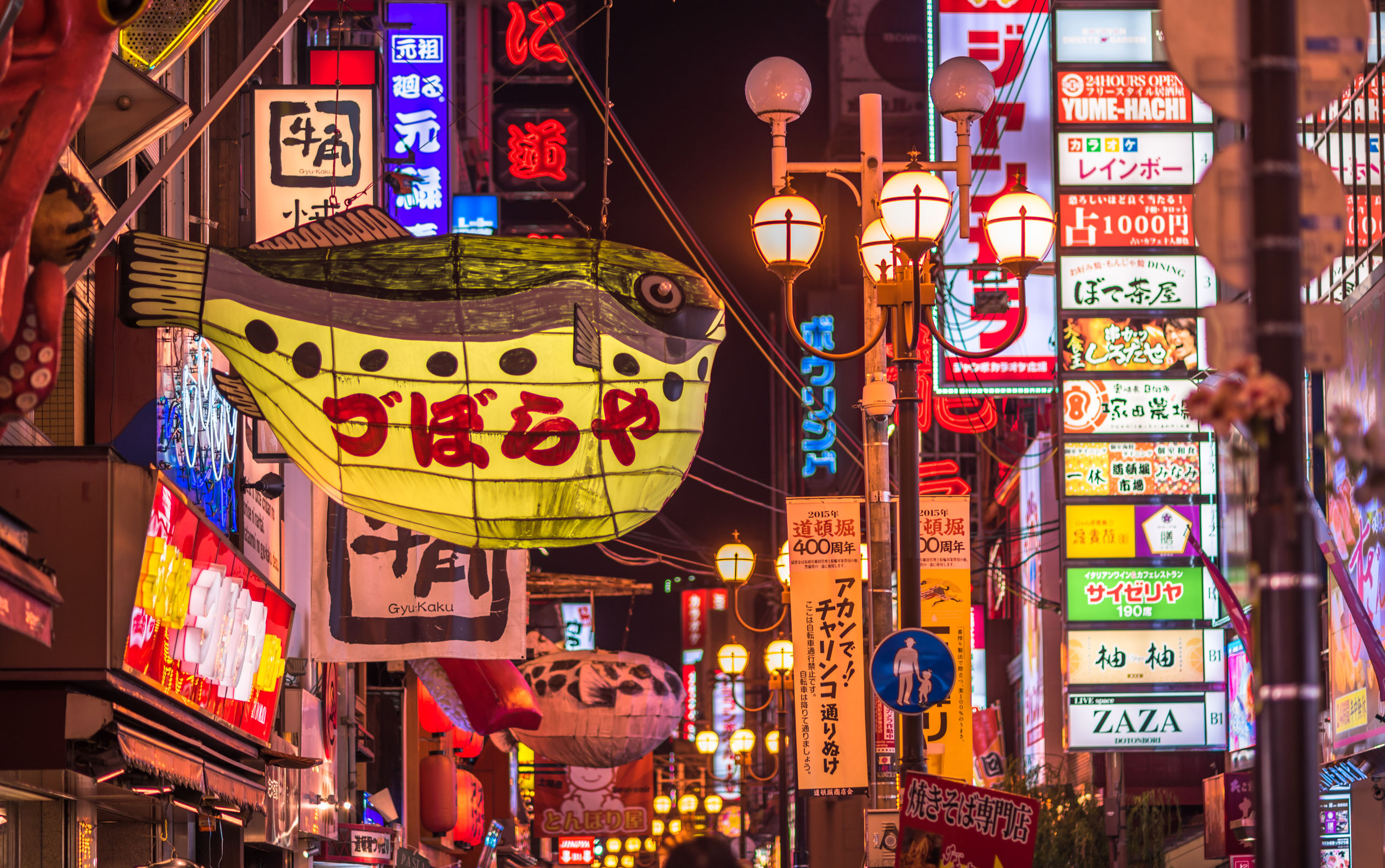
Osaka, the regional capital of Kansai, is both Tokyo’s sister city and its rival. It rewards people who like to eat and to talk to strangers.
The city trades on its own sense of humour — manzai comedy was made here — and conversation starts easily, in a dialect Tokyo finds blunt. Umeda and Dotonbori for the evening, Kuromon market for fish at seven in the morning, Shinsaibashi for shopping. Each is about fifteen minutes from the next on the subway.
Day 14 - Departure
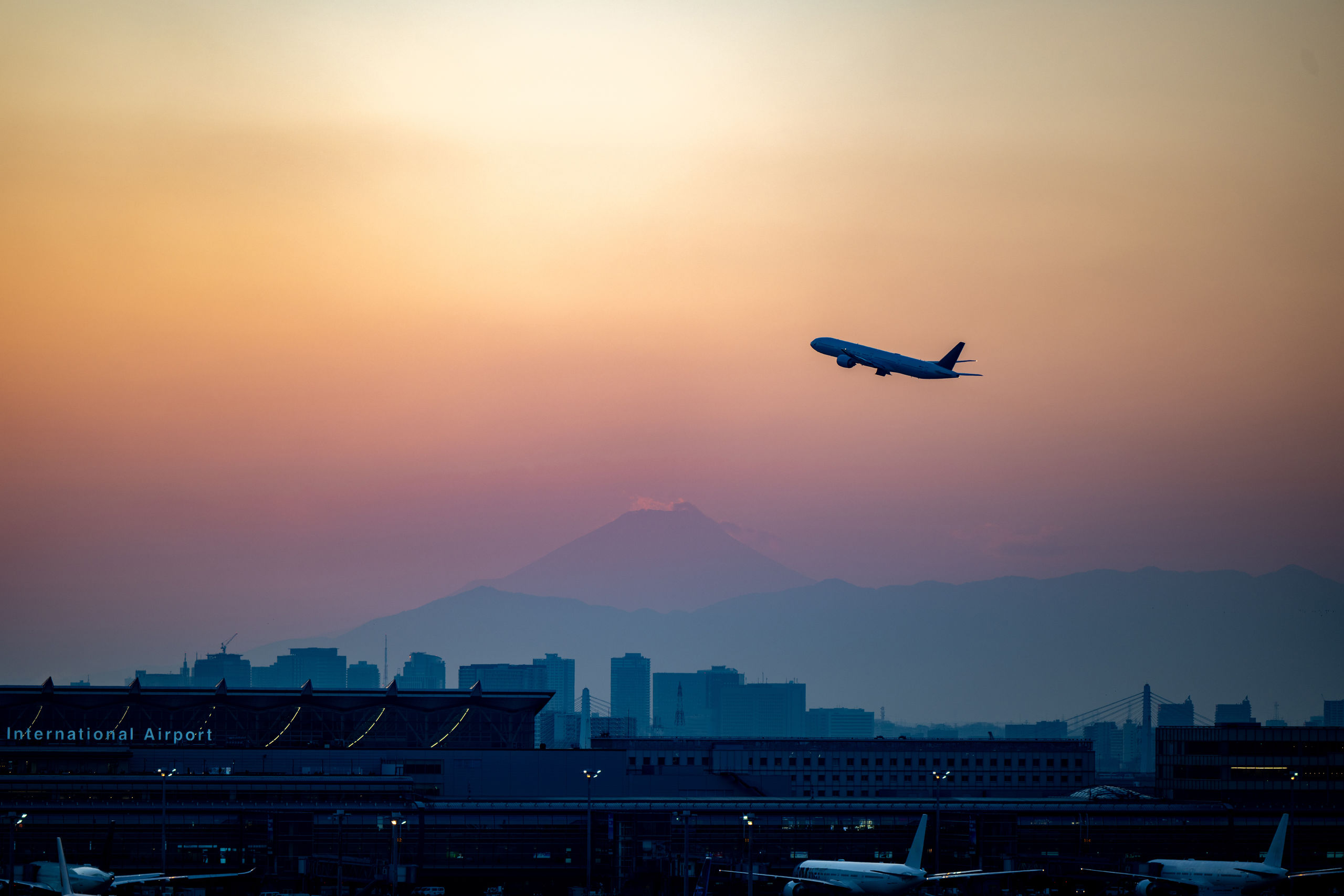
Depending on the time of your return flight, there may be room for one last walk in the city.
Then the airport by public transport. We hope you leave with more than photographs.
Until the next journey.
Transfer times
| Day | Mode | From | To | Time |
|---|---|---|---|---|
| 05 | Train | Tokyo | Hakone | 3h30 |
| 06 | Train | Hakone | Kyoto | 3h |
| 10 | Train | Kyoto | Kinosaki Onsen | 3h |
| 11 | Train | Kinosaki Onsen | Miyajima | 4h |
| 13 | Train | Miyajima | Osaka | 3h |
What’s included
What is included depends on the style of travel.
We cover what you need so that the logistics stay out of the way.
- Three-star accommodation.
- Airport transfers.
- Transport passes in ordinary class where needed.
- Breakfast every day, and a few dinners.
Accommodation
The list below is an example, given to show the category of accommodation.
| Night | Hotel |
|---|---|
| Tokyo | 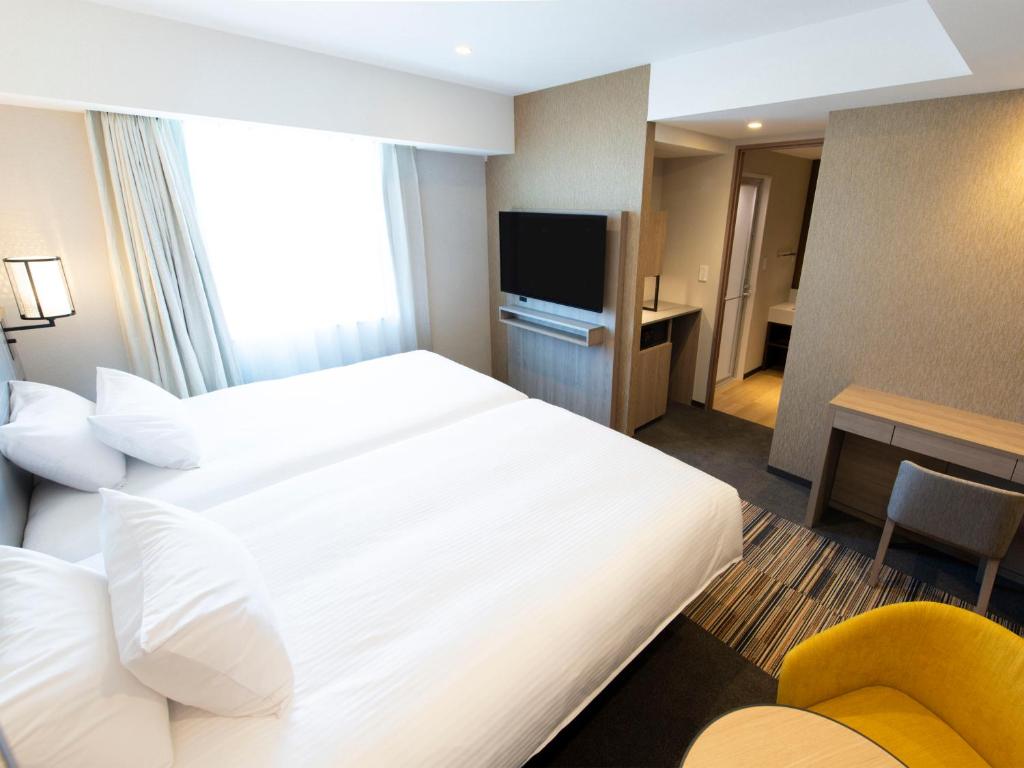 |
| Hakone | 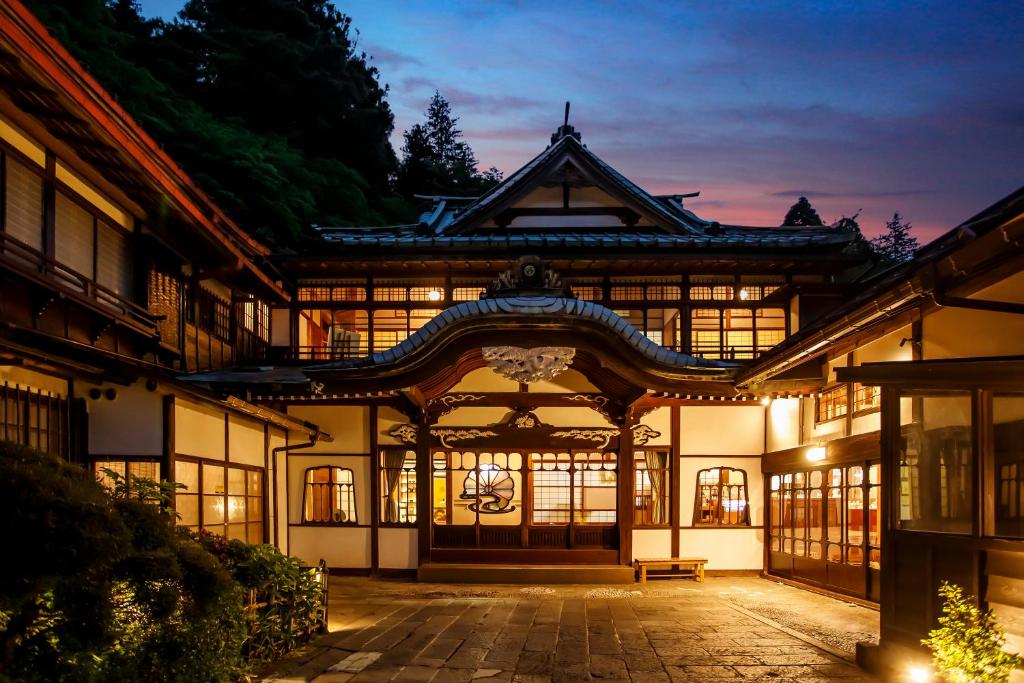 |
| Kyoto | 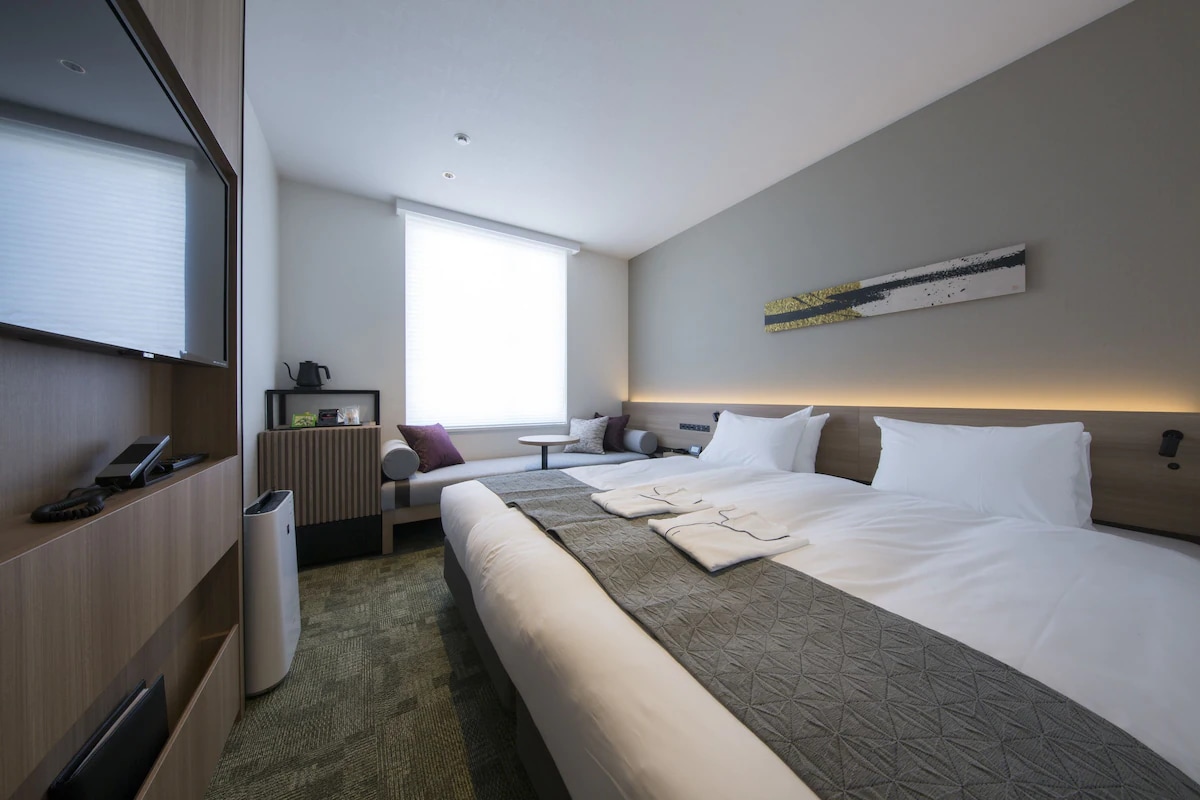 |
| Kinosaki Onsen | |
| Miyajima | 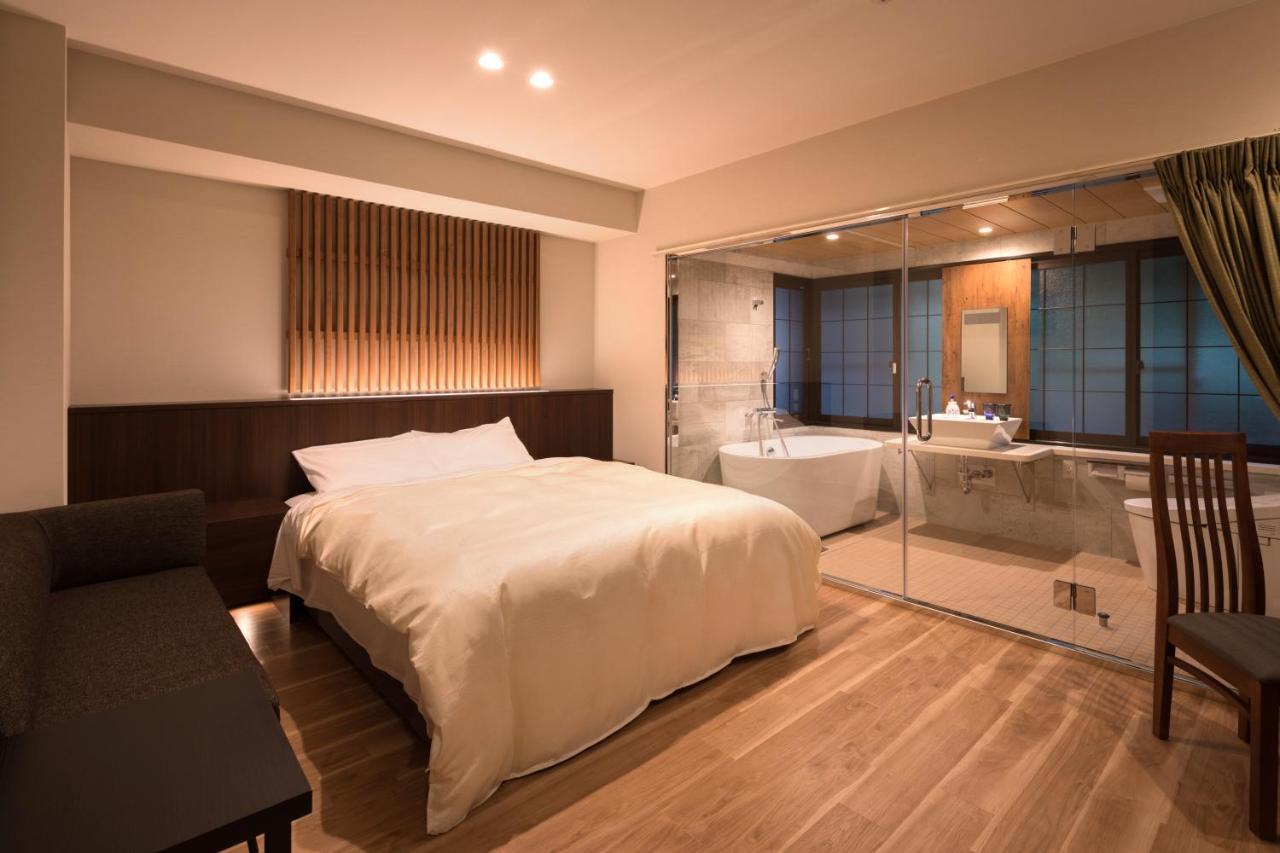 |
| Osaka | 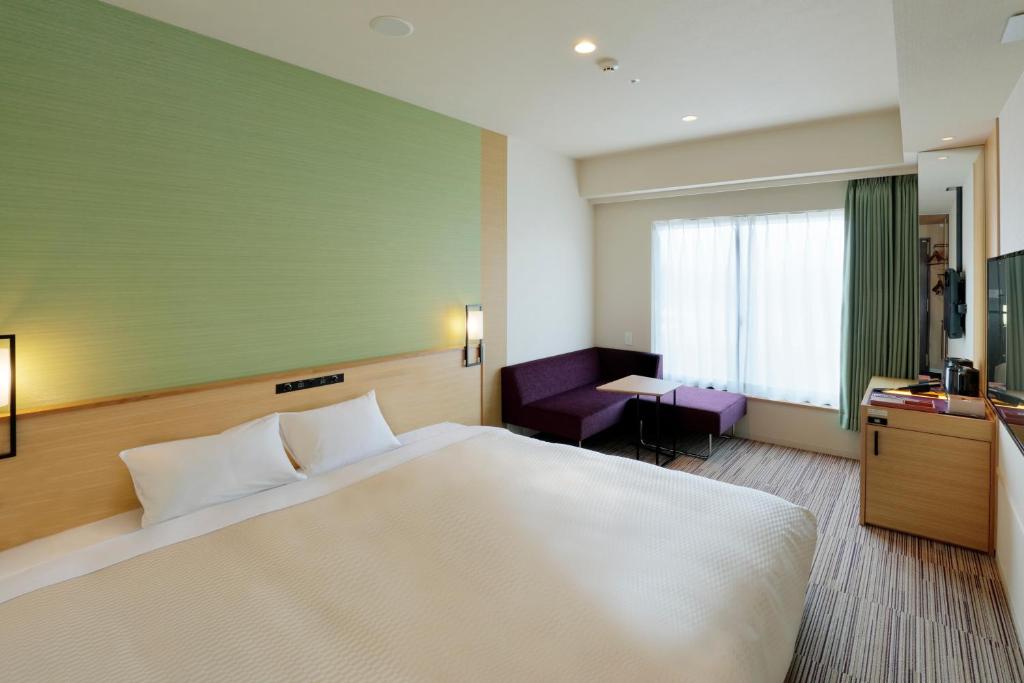 |
Meals included
17 meals included: 13 breakfasts and 4 dinners.
| Day | Night | Meals included |
|---|---|---|
| 01 | Tokyo | X |
| 02 | Tokyo | Breakfast |
| 03 | Tokyo | Breakfast |
| 04 | Tokyo | Breakfast |
| 05 | Hakone | Breakfast & dinner |
| 06 | Kyoto | Breakfast |
| 07 | Kyoto | Breakfast |
| 08 | Kyoto | Breakfast |
| 09 | Kyoto | Breakfast |
| 10 | Kinosaki Onsen | Breakfast & dinner |
| 11 | Miyajima | Breakfast & dinner |
| 12 | Miyajima | Breakfast & dinner |
| 13 | Osaka | Breakfast |
| 14 | Flight | Breakfast |
Services included
- The roadbook
- Day 1 - Pocket Wi-Fi router hire for the whole stay
- Day 1 - Suica card loaded with 2500JPY
- Day 1 - Airport transfer by taxi with an English-speaking driver
- Day 1 - Japan Rail Pass valid 14 days
- Day 5 - A “Hakone Free Pass” valid 2 days from Odawara station
- Day 14 - Airport transfer by taxi with an English-speaking driver
Not included
- International flights
- Entry to sites other than those listed as included
- Meals other than those listed as included, and all drinks
- Transport other than that listed as included (taxis, ferry)
- The tourist accommodation tax, between 100 and 500 yen per night per person, collected in cash on arrival at hotels in the larger cities
- The hot-spring tax, about 150 yen per night per person, collected in cash on arrival in spa towns
- Luggage forwarding (allow 2000 yen per bag per shipment)