
Map
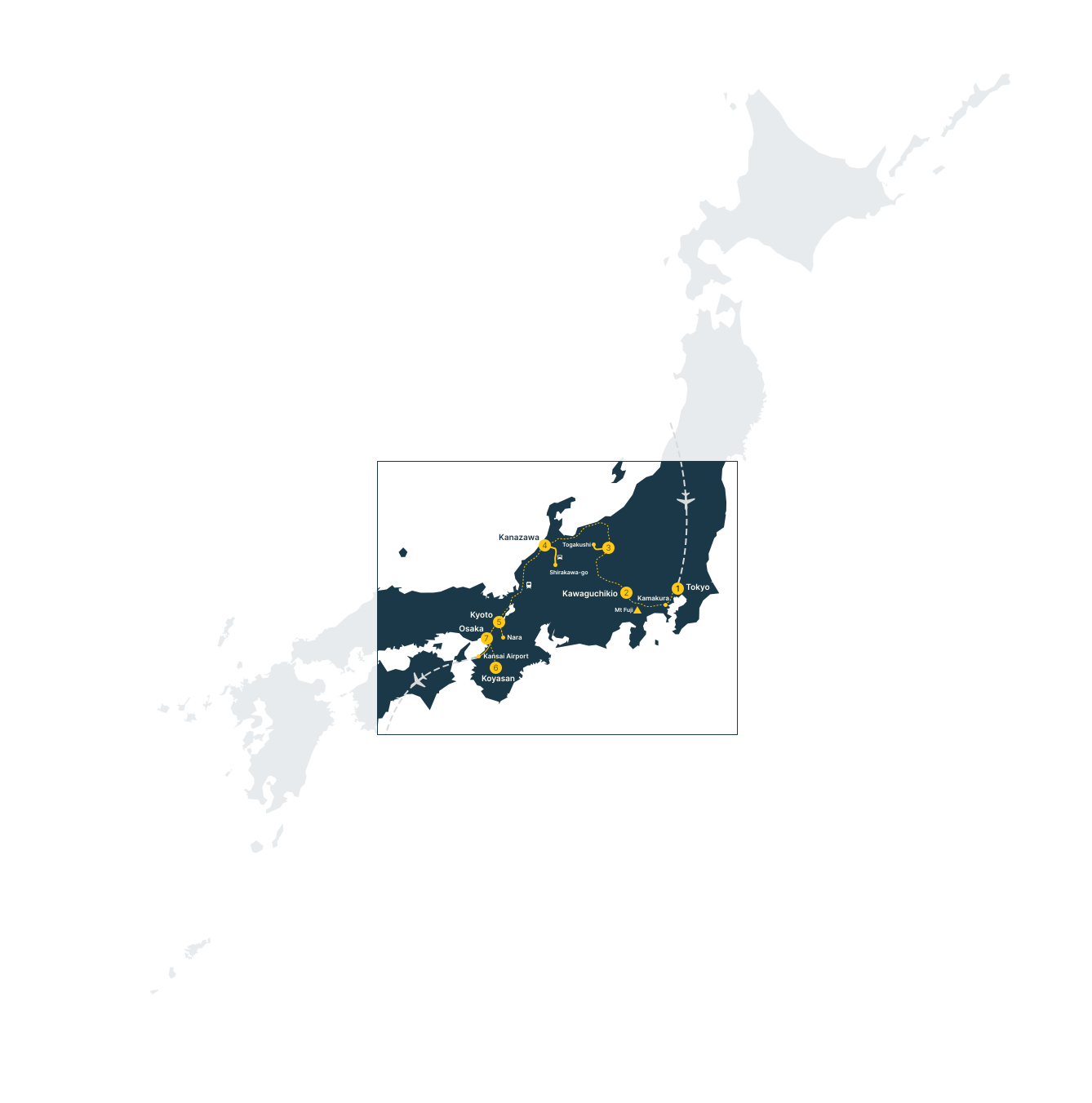
Itinerary
Day 1 - Tokyo
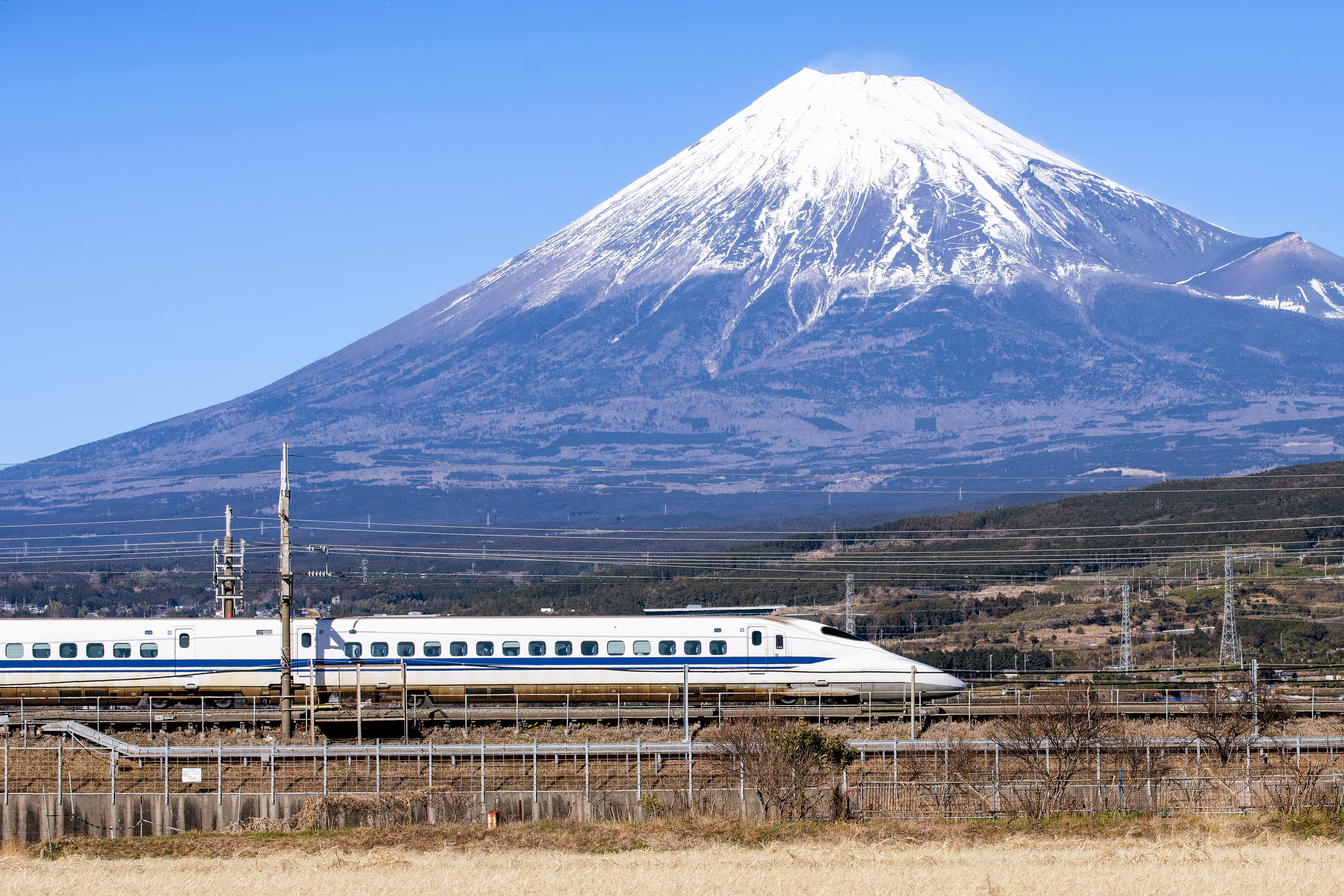
Your first contact with Japan is one of our English-speaking guides, waiting at the airport. From there it is about 45 minutes by train to your accommodation.
In the evening, consider an izakaya. The counter seats eight or ten, the menu is written on paper strips pinned to the wall, and the food arrives two plates at a time, in no particular order. It is where most of Japan eats out.
Day 2 - Tokyo

Today, the Shitamachi — literally the low city, the older, working half of Tokyo, laid out at the foot of the districts along the Yamanote line that once belonged to the nobles and their retainers.
Walk with your English-speaking guide through Ueno and Asakusa. Incense drifts from the cauldron in front of Senso-ji, a temple founded in 628, and the shops along Nakamise-dori still sell hand-cut brushes, wooden combs and rice crackers grilled in the doorway. The two districts sit a few stops apart and read as two different cities: one built around a park and a university, the other around a temple and the trades that have served it for four hundred years. Your guide will tell you which streets to come back to on your own.
Day 3 - Tokyo
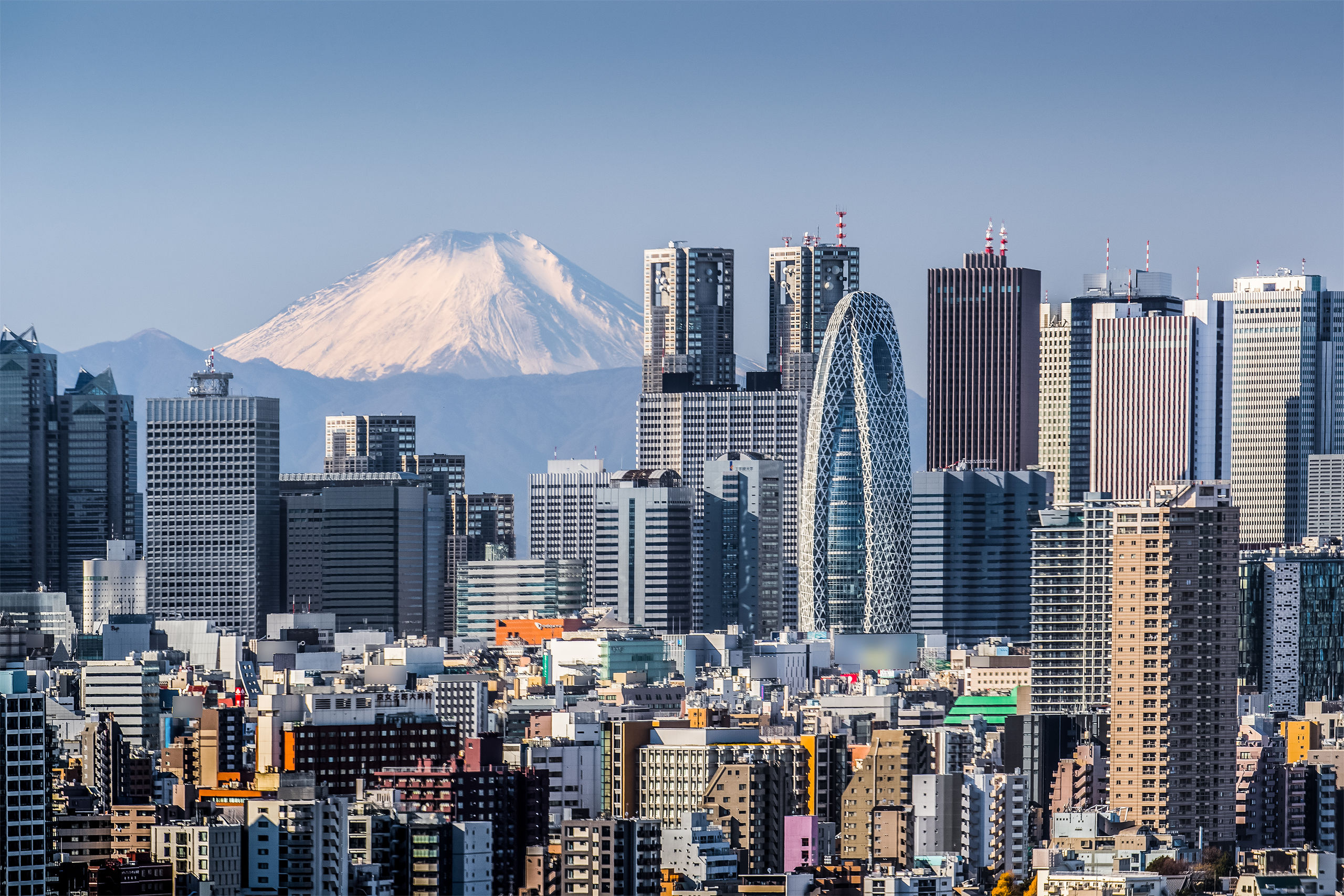
Start early, while the streets still belong to delivery vans and shopkeepers hosing down the pavement. In January the air is dry and cold and the light comes in low between the buildings.
From Harajuku to Shinjuku, Tokyo changes character every few stops on the Yamanote line. Takeshita-dori is barely three metres wide and lined with second-hand clothes; twenty minutes later you are under the sixty-storey offices of west Shinjuku; twenty minutes after that, in Omoide Yokocho, where a dozen counters grill yakitori beneath a ceiling of ducting and cable.
Eat as you go. A standing soba counter near a station will feed you in eight minutes for under 500 yen, and the broth is often better than in the restaurants above it.
The two Tokyos hold at once — glass towers, and two streets behind them lanes where someone waters plants in front of a house. Neither cancels the other, and the walk between them is the interesting part.
Day 4 - Kawaguchi-ko
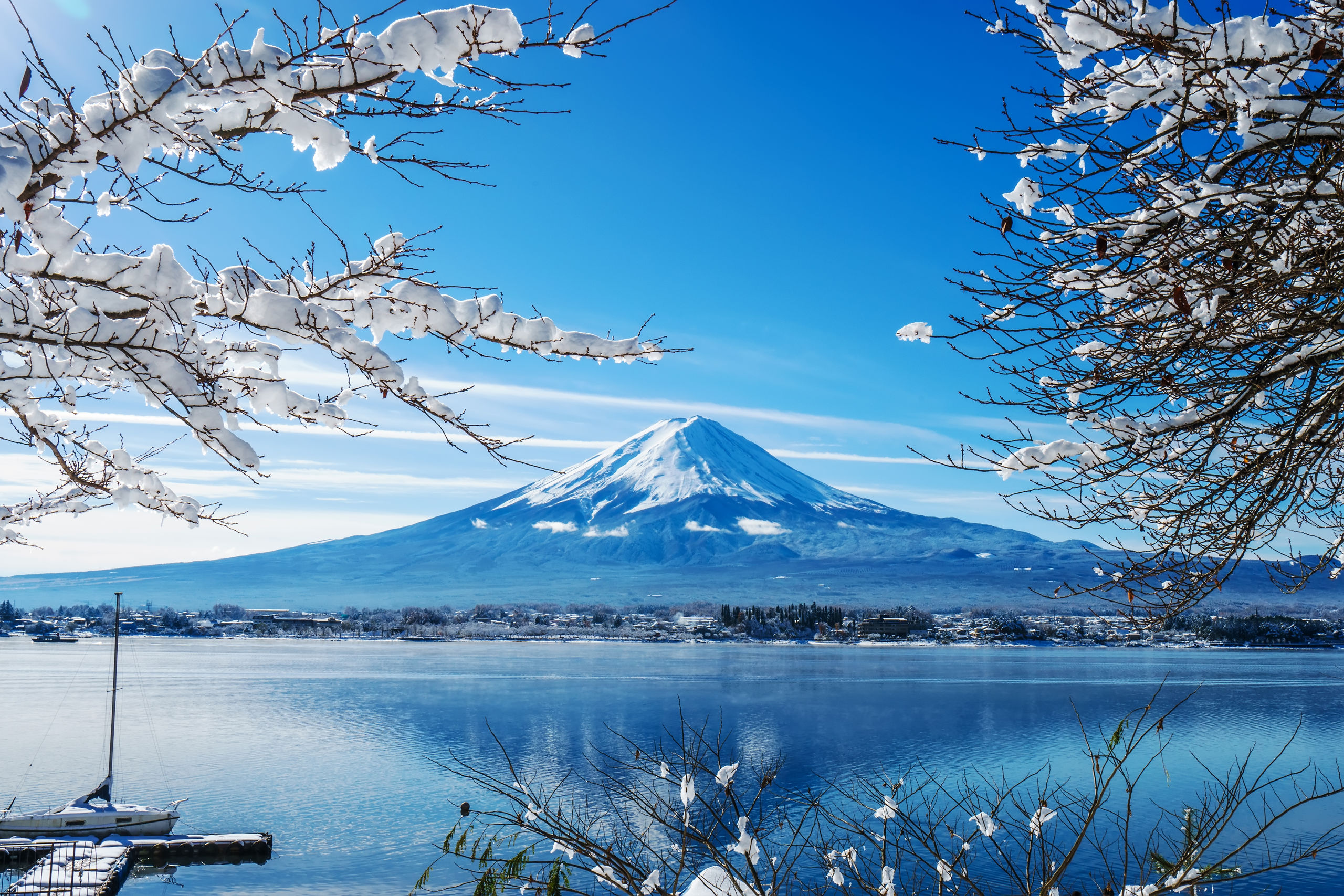
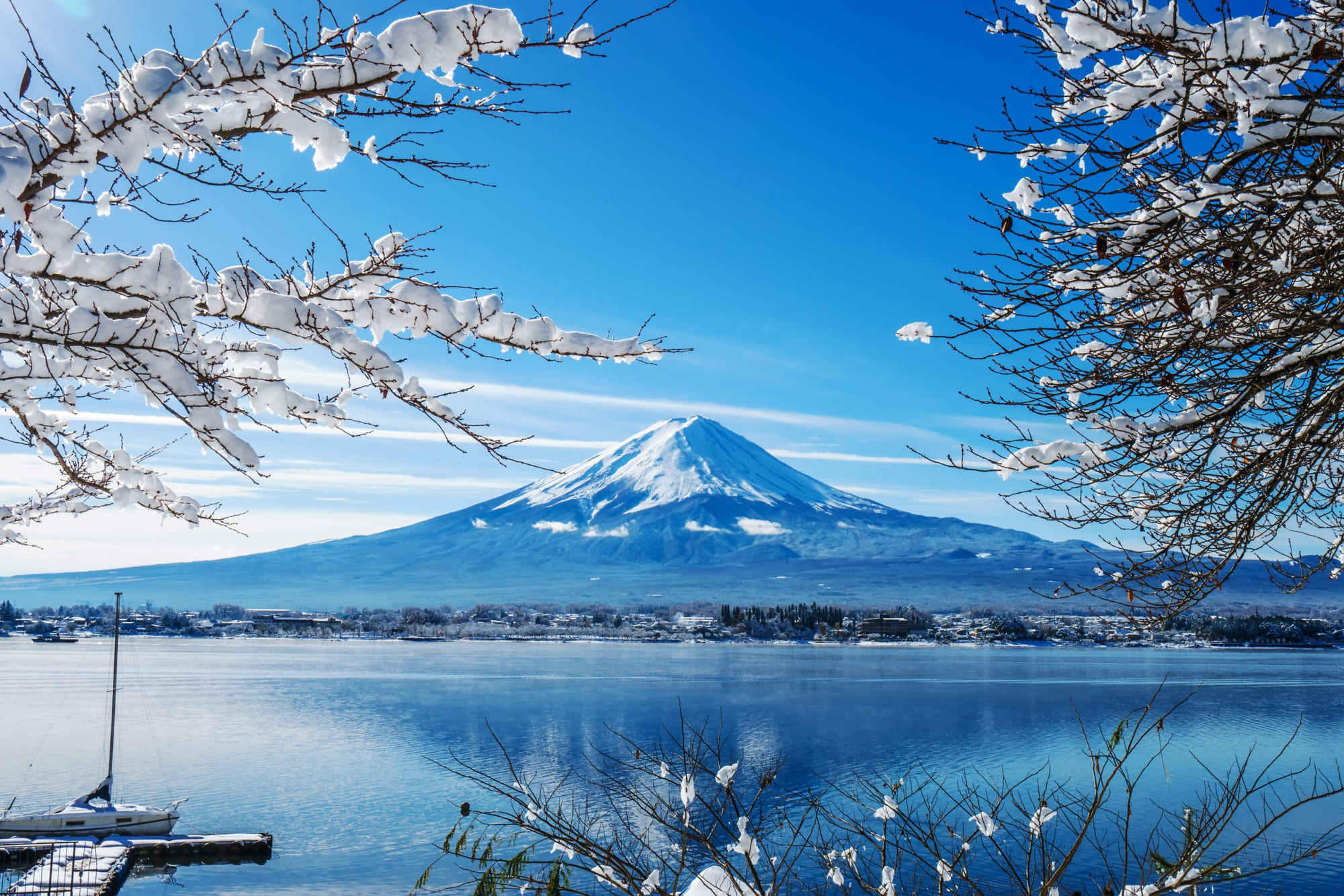
After about 2h30 by train from Tokyo, you reach Kawaguchiko, at the foot of Mount Fuji. The mountain shows itself most reliably in the morning, before cloud gathers around the summit; in winter it is snow-capped nearly to the treeline. Take your photographs, walk the streets, then head for the Chureito pagoda.
The pagoda stands on the slope above the town. Around 400 steps up, and Fuji sits behind it across the valley — the composition you have seen on posters, in front of you, usually in a hard wind.
Then Lake Kawaguchiko, which is quiet in winter. You can walk the northern shore, where the view opens out, or take the bath instead: water at about 42°C, snow on the far bank.
At the end of the day the light goes pink on the water. Dinner is Japanese, served at the hotel — several small dishes, brought in sequence.
Kawaguchiko is a small town and it shuts early. That is part of why it works after Tokyo.
Day 5 - Nagano
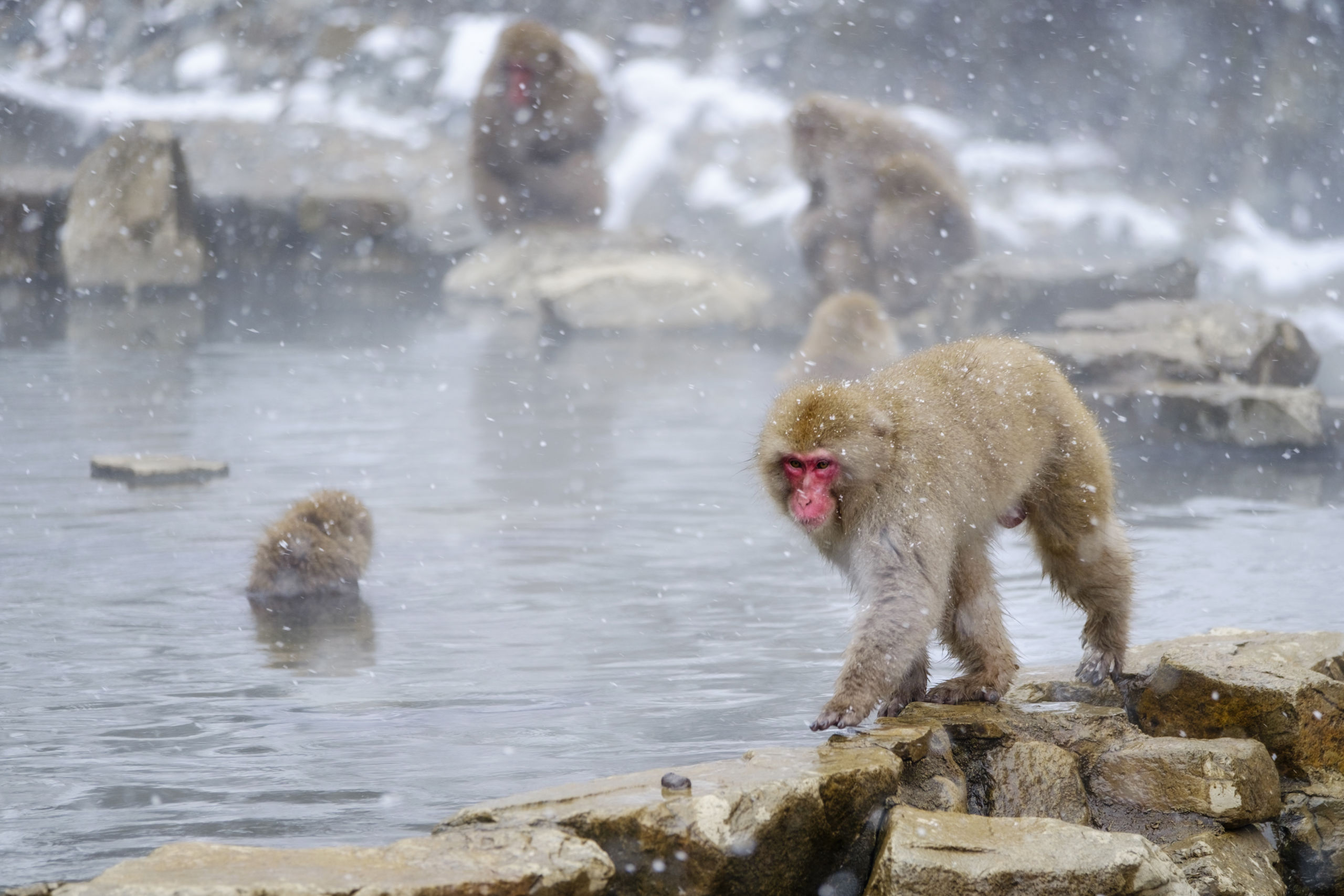
From Kawaguchiko, the train takes about four hours. Then Jigokudani monkey park, up in the mountains, where Japanese macaques come down to a hot pool in the valley and sit in it. In winter the tips of their fur ice over and steam lifts off the water. The walk in from the car park is about 1.6 km along a river, usually on packed snow, so bring grip.
For lunch, soba. Nagano grows buckwheat, and the noodles are served cold in summer and hot in broth in winter, at counters that have often been in the same family for generations.
Day 6 - Nagano
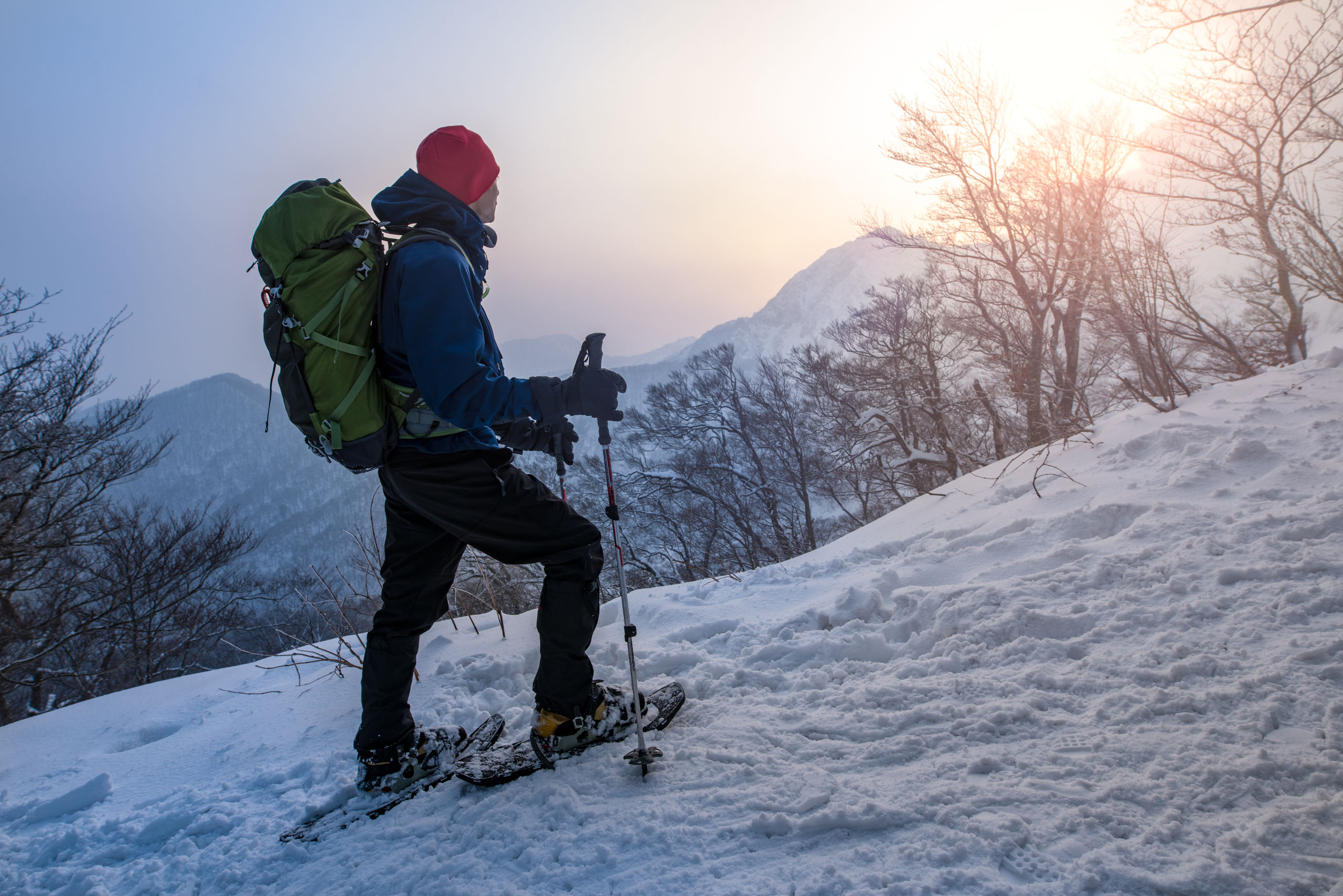
A day on snowshoes at Togakushi, through forest and past shrines that have been there far longer than the road.
The bus climbs out of Nagano into the mountains, the road banked with cleared snow on both sides.
At the top you fit snowshoes and poles and set off into the forest. The approach to the Okusha, the upper shrine of Togakushi, runs about two kilometres under cedars planted in the 17th century — the largest are four hundred years old. In deep snow the sound goes out of the world; you hear your own breathing and nothing else.
Lunch is a picnic, outdoors, in the cold. It is better than it sounds.
More walking, then back to the starting point.
Day 7 - Kanazawa
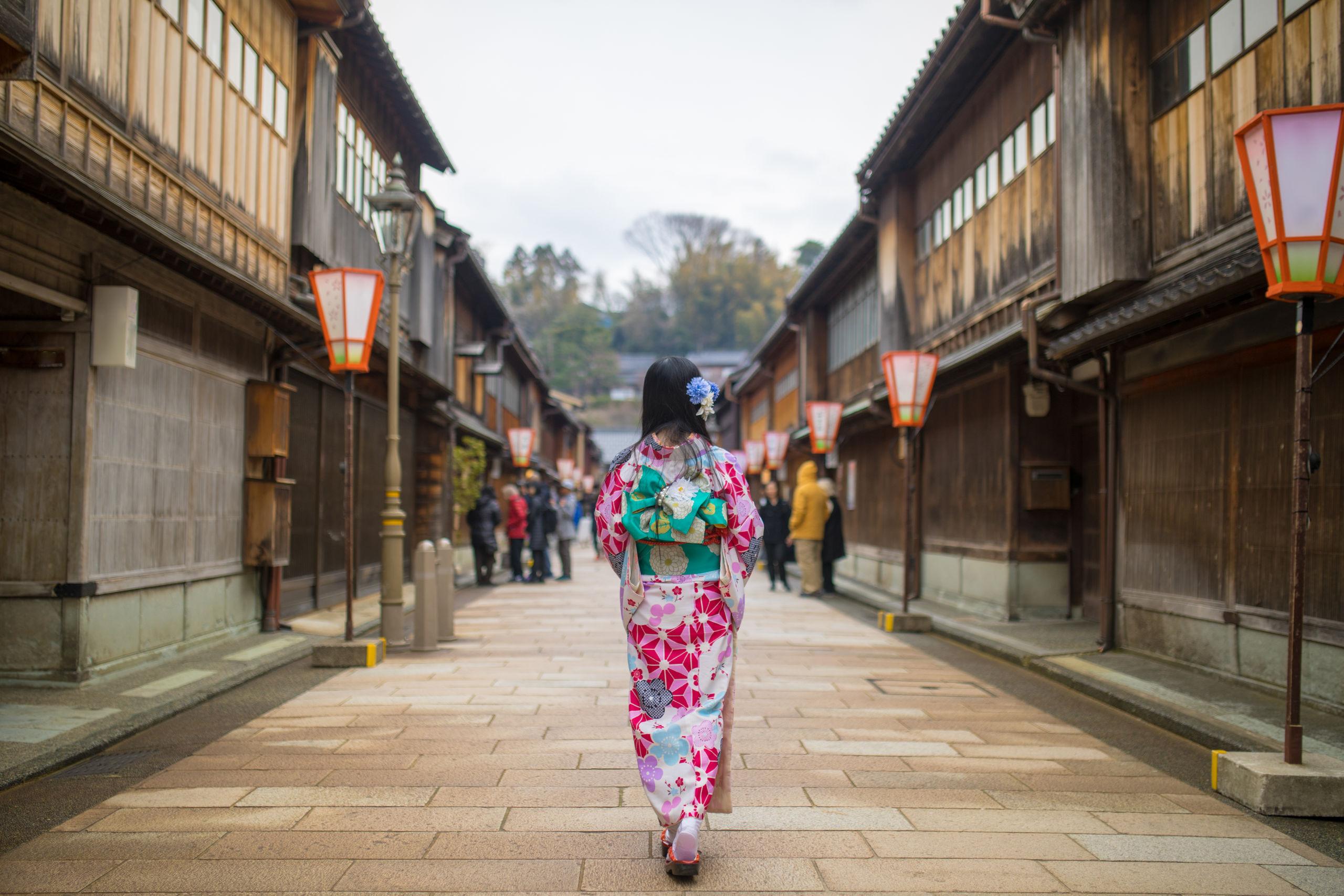
Two things today: a temple service before first light, and a fish market at the other end of the line.
Begin with the morning ceremony at Zenko-ji (about 1h15 by train from Nagano). You enter the precinct in the dark and join the monks for the chanting; afterwards the abbot passes along the line of kneeling visitors and touches each head with a rosary. The hall is unheated and the boards are cold underfoot, which is part of why people remember it.
Then Nagano station and the train to Kanazawa, through the mountains and the rice country of Nagano prefecture.
In Kanazawa, start at Omicho market, trading on the same site since 1721. In winter the ice is stacked with snow crab and yellowtail. Eat there — a bowl of raw fish over rice, or something grilled at a stall, standing up.
Then walk to Kenrokuen, laid out over about 150 years by the Maeda lords. In winter the pines are held up by yukitsuri: ropes fanned from a central pole to each branch so the snow does not break them. Allow an hour and a half, and sit down somewhere in the middle of it.
Day 8 - Kanazawa
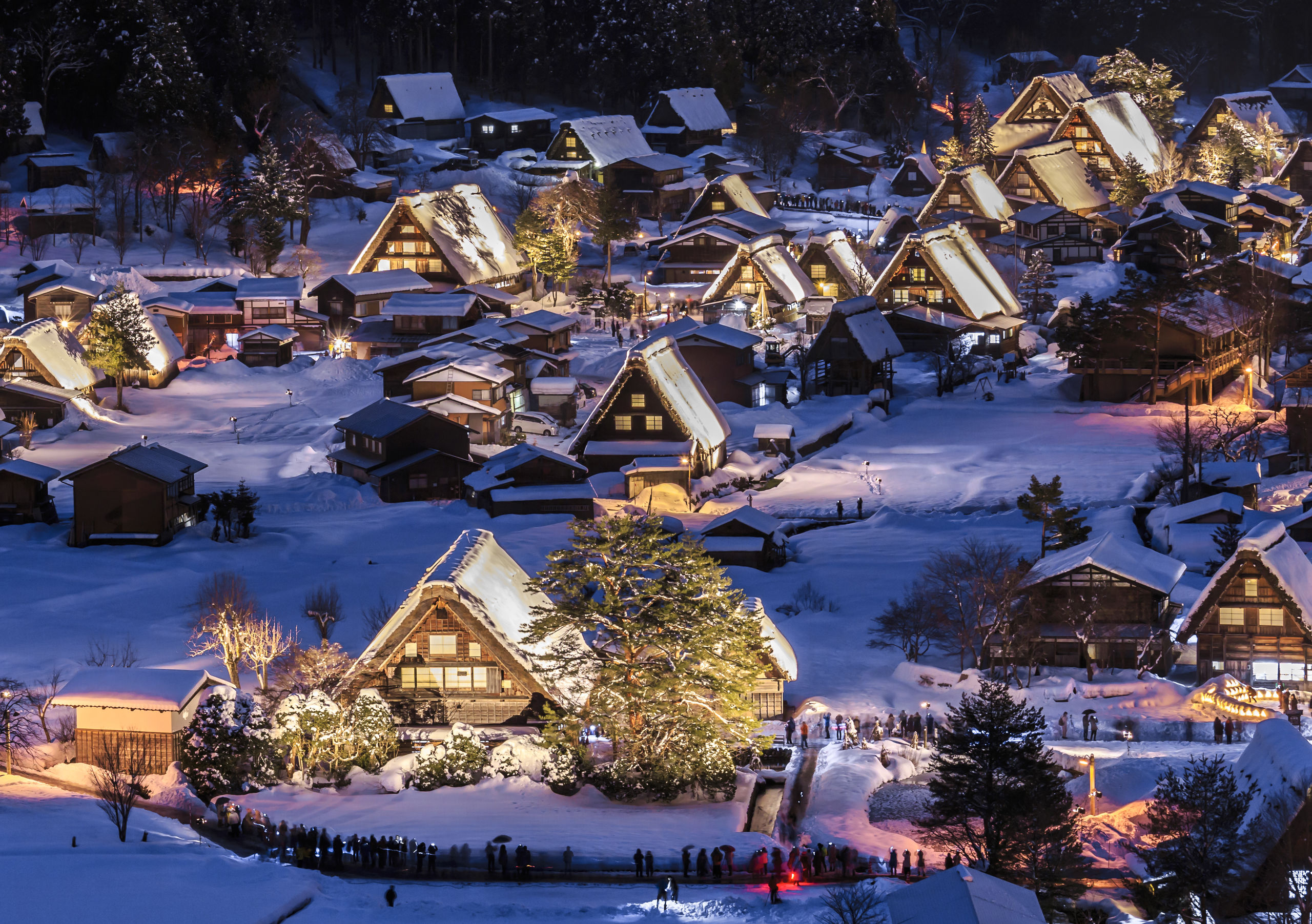
A day at Shirakawago, a working farming village that happens to be a UNESCO World Heritage site.
The road in crosses the Hakusan mountains. On arrival, the lanes run between gassho-zukuri farmhouses: steep thatched roofs pitched sharply enough that the snow slides off rather than settling. The thatch is replaced roughly every thirty to forty years, and the village does it collectively, one house at a time.
Walk the open-air museum, where several houses have been moved and opened up — you can go inside and climb to the silkworm floors under the roof, where the beams are black from a century of hearth smoke. Stop for lunch on local dishes: mountain vegetables, and miso grilled on a magnolia leaf.
Then free time — the shops, and the viewpoint above the village, where the whole valley of roofs lies out under snow.
You leave in the late afternoon, with cold hands.
Day 9 - Kyoto
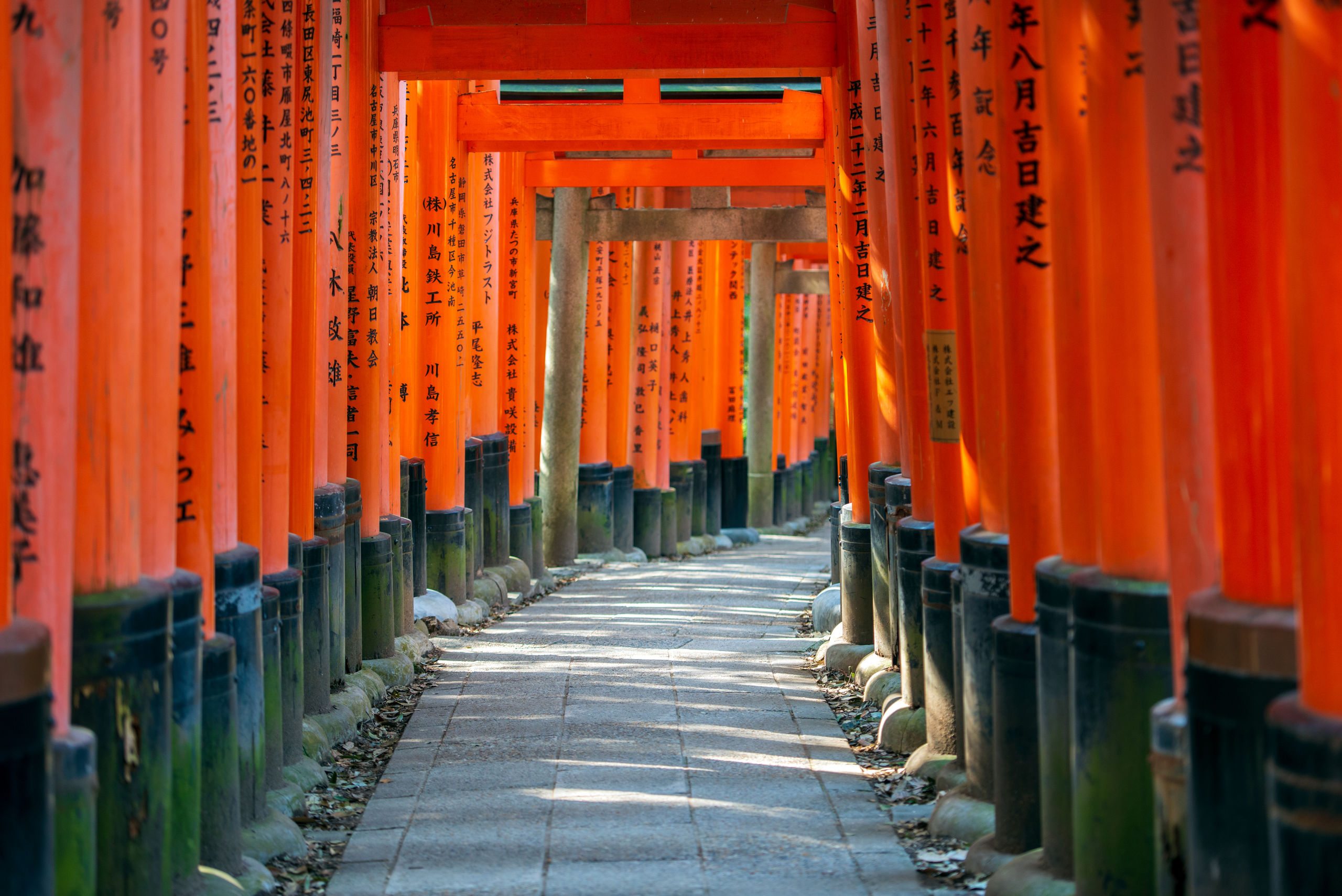
Arriving in Kyoto from Kanazawa (about 2h00 by train), drop your bags at the hotel. Then we suggest Fushimi Inari.
Five minutes away on the Nara line (Local Joyo service), Fushimi Inari is one of the best-known shrines in the country. Walk up between its vermilion torii — some ten thousand of them, each paid for by a business and inscribed with its name — and look at the fox statues at the gates, messengers of the deity Inari. On the way back, take the time to look at Kyoto station itself: 470 metres of steel and glass by Hiroshi Hara, opened in 1997, and still argued about locally.
Day 10 - Kyoto
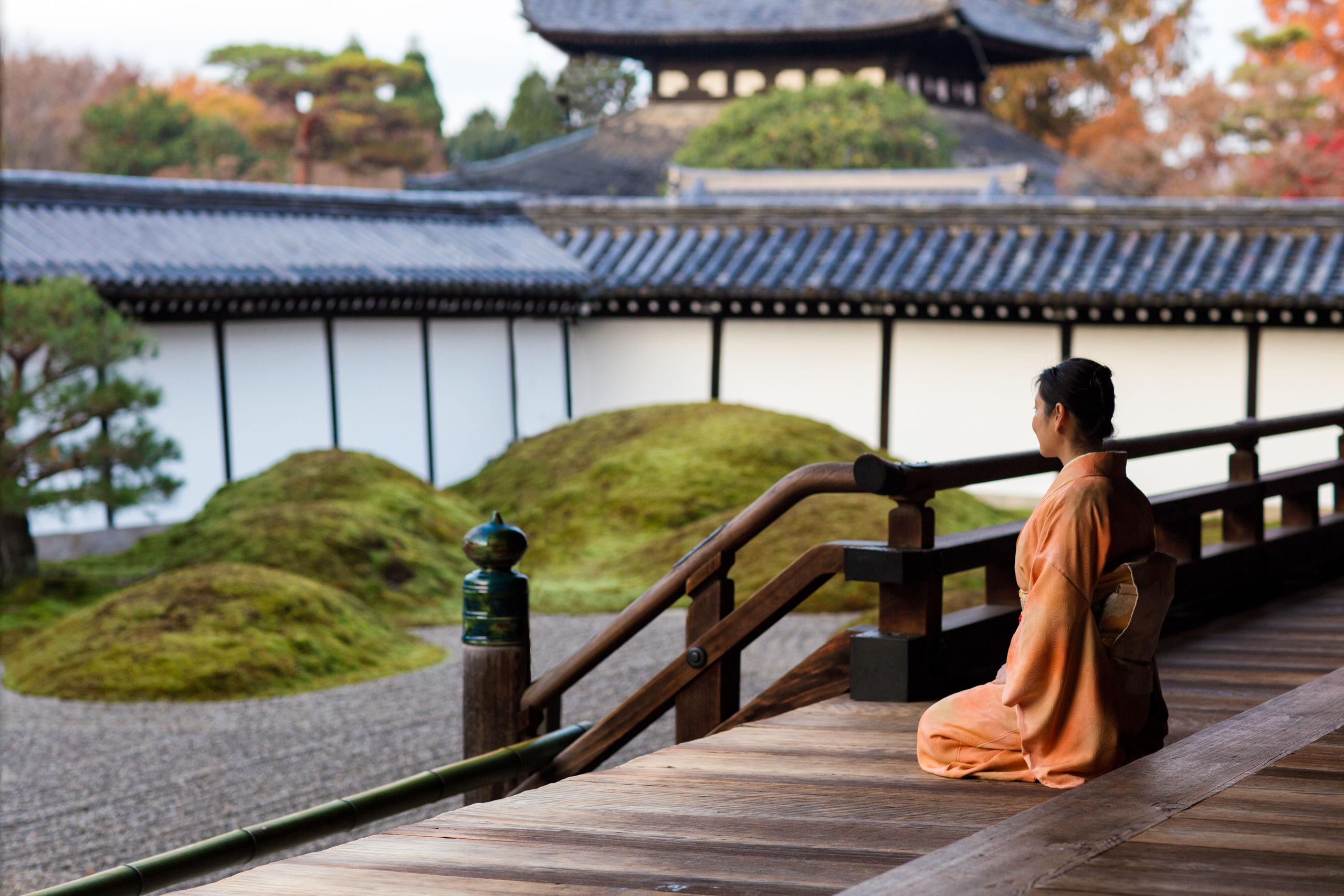
Today, the eastern side of Kyoto with your English-speaking guide.
Ginkaku-ji, the Silver Pavilion, was never silvered — the name stuck anyway. It is a National Treasure, and its karesansui dry garden is raked into a cone of sand and a field of ridges, redone by hand. From there the Philosopher’s Path follows an old canal for about two kilometres under bare cherry trees to Nanzen-ji.
Afterwards, the streets. Teramachi is an arcade of second-hand bookshops and old stationers; Nishiki market runs five blocks of stalls selling pickles, knives and tamagoyaki cooked in front of you.
Kansai cooking is its own thing — lighter dashi, less soy than Tokyo. Eat where the queue is local.
Day 11 - Kyoto
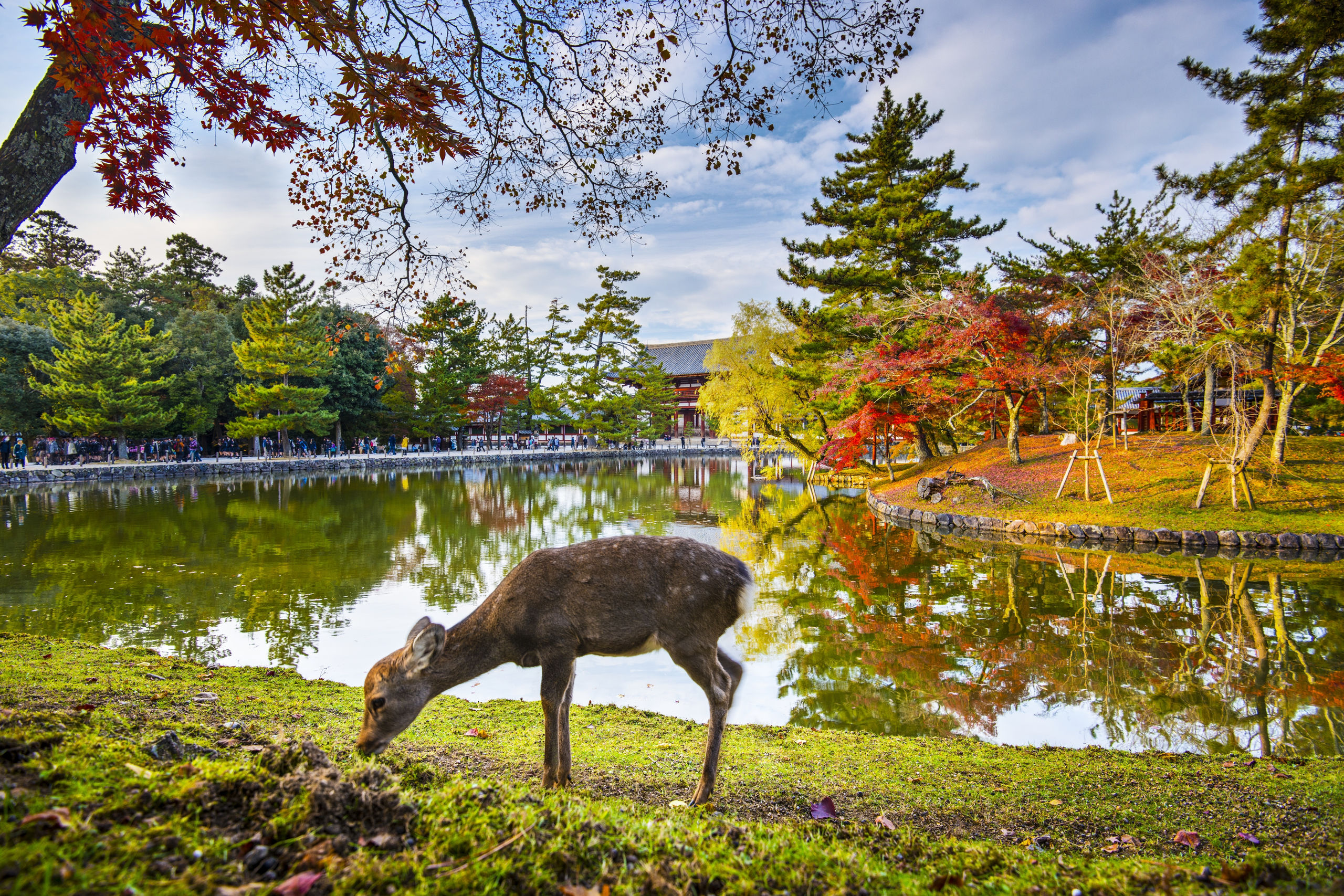
One hour by train from Kyoto station, Nara — Japan’s first permanent capital, from 710 to 784 — holds a good deal of that history within walking distance. The deer meet you first. Once treated as messengers of the gods, about 1,200 of them now live in the park where the main sites also stand: Kofuku-ji with its five-storey pagoda, and Todai-ji, long described as the largest wooden building in the world, holding a bronze Buddha cast in 752.
Then the town centre, where the Edo-period wooden houses of Naramachi keep their lattice fronts, and the local specialities — among them kakinoha-zushi, sushi wrapped in a persimmon leaf. Those with the legs for it can climb Mount Wakakusa, 342 metres, about half an hour up.
Day 12 - Koyasan

Leave early for Koyasan (about 3h00 from Kyoto), the last part of the journey on a single-track line and then a cable car up the mountainside.
Koyasan has been a monastic settlement since 816. Start at Okunoin, one of the largest cemeteries in Japan: two kilometres of path under cedars, past more than 200,000 graves — feudal lords, poets, and a corporate memorial to termites. Kobo Daishi’s mausoleum is at the far end, where monks have carried a meal twice a day for over a thousand years.
Beyond the cemetery the temples spread along the mountain — halls, pagodas, gardens raked flat under a dusting of snow, and the smell of cedar and incense in all of it. Stop where you want to. Sitting still in one hall for twenty minutes will give you more than walking through six.
You sleep in a working monastery: tatami, paper screens, shojin ryori — vegetarian temple food — served at low tables, and a shared bath. The heating is a kerosene stove and the corridors are cold.
Day 13 - Osaka
Koyasan in the morning, Osaka in the afternoon.
You start with the sutra chanting at first light — the monks’ morning service, in a hall lit by candles, thick with incense. Guests kneel at the back. Nothing is asked of you but stillness.
Afterwards, the Garan, the ceremonial heart of the mountain: the vermilion Konpon Daito pagoda, 45 metres high, and the Kondo hall beside it. Someone will explain the layout if you ask; it is a diagram of the Shingon cosmos, not a random arrangement of buildings.
Then the train to Osaka (about 2h15), down out of the mountains and into the city. The window is worth keeping an eye on.
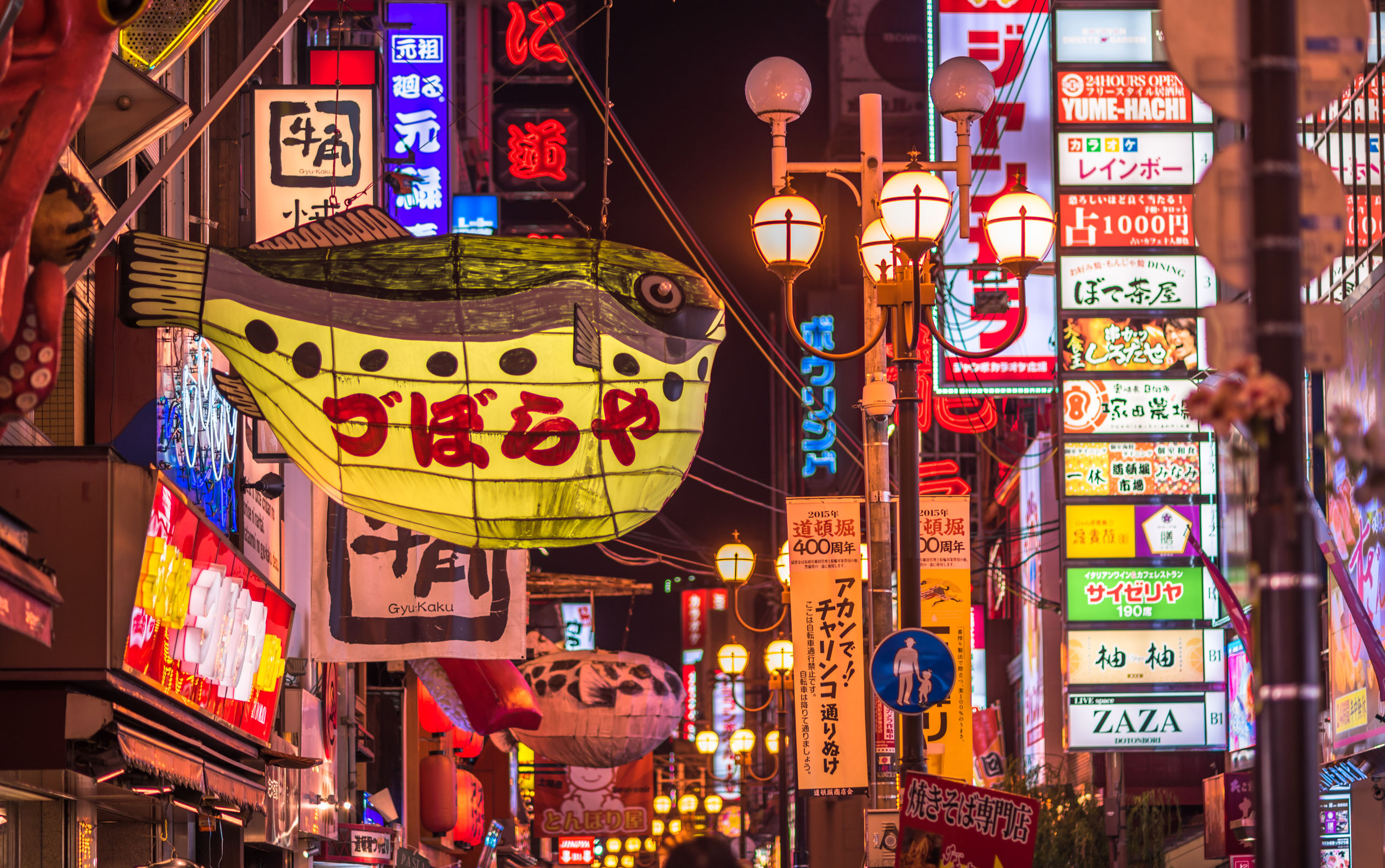
Osaka is a place to eat. Kuromon market for fish, Dotonbori for takoyaki and the neon reflected in the canal, and Osaka castle if you want the history — the present keep is a 1931 reconstruction, and the city is straightforward about that.
In the evening the streets stay busy late. It is a different register from Koyasan, twelve hours earlier, and the distance between the two is the point.
Day 14 - Departure
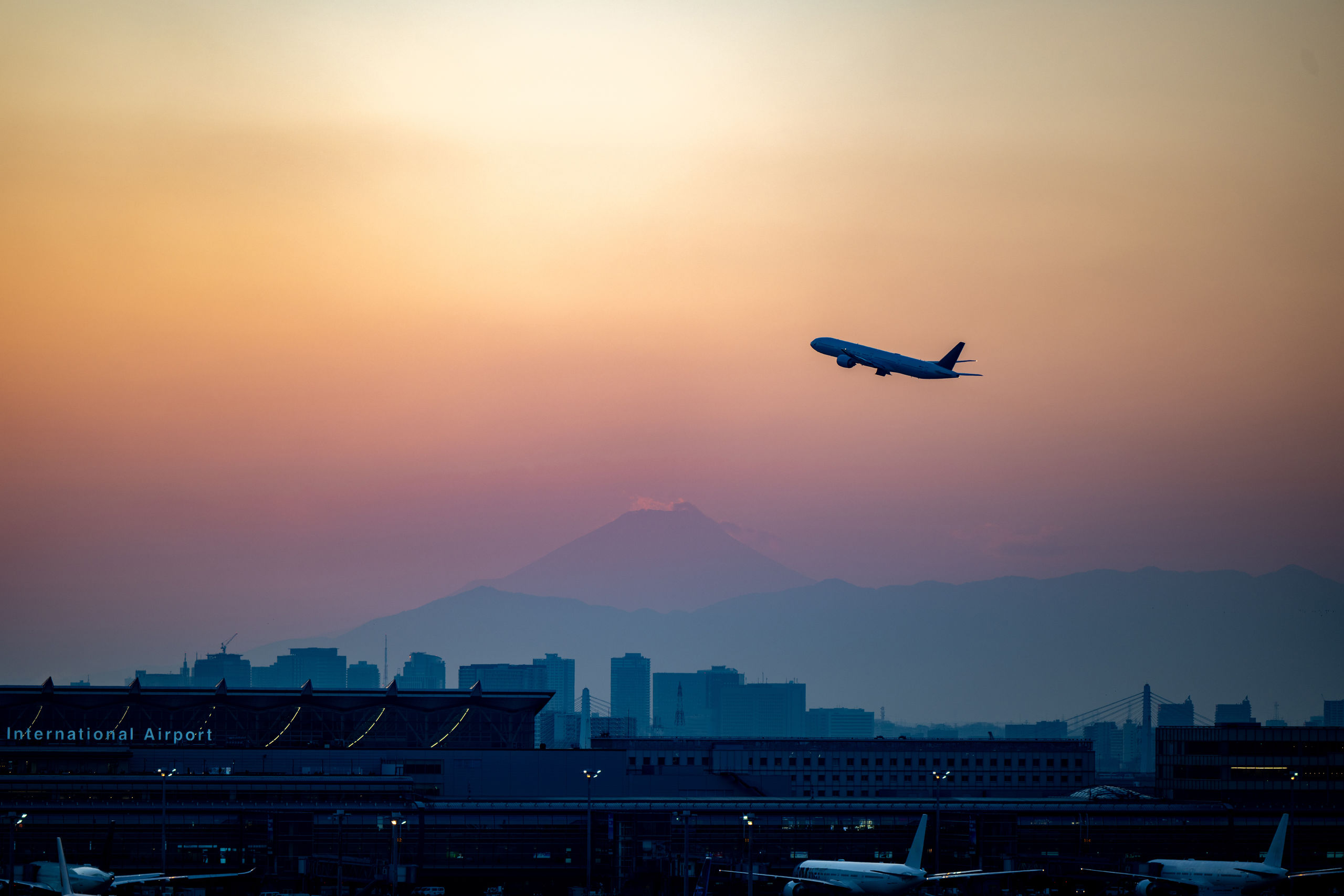
Depending on the time of your return flight, there may be room for one last walk in the city.
Then the airport by public transport. We hope you leave with more than photographs — until the next journey.
Transfer times
| Day | Mode | From | To | Time |
|---|---|---|---|---|
| 04 | Train | Tokyo | Kawaguchi-ko | 3h30 |
| 05 | Train | Kawaguchi-ko | Nagano | 5h |
| 07 | Train | Nagano | Kanazawa | 2h |
| 09 | Train | Kanazawa | Kyoto | 3h |
| 12 | Train | Kyoto | Koyasan | 4h |
| 12 | Train | Koyasan | Osaka | 2h30 |
What’s included
What is included depends on the style of travel.
We cover what you need so that the logistics stay out of the way.
- Three-star accommodation.
- Airport transfers.
- Transport passes in ordinary class where needed.
- Breakfast every day, and a few dinners.
Accommodation
The list below is an example, given to show the category of accommodation.
| Night | Hotel |
|---|---|
| Tokyo | 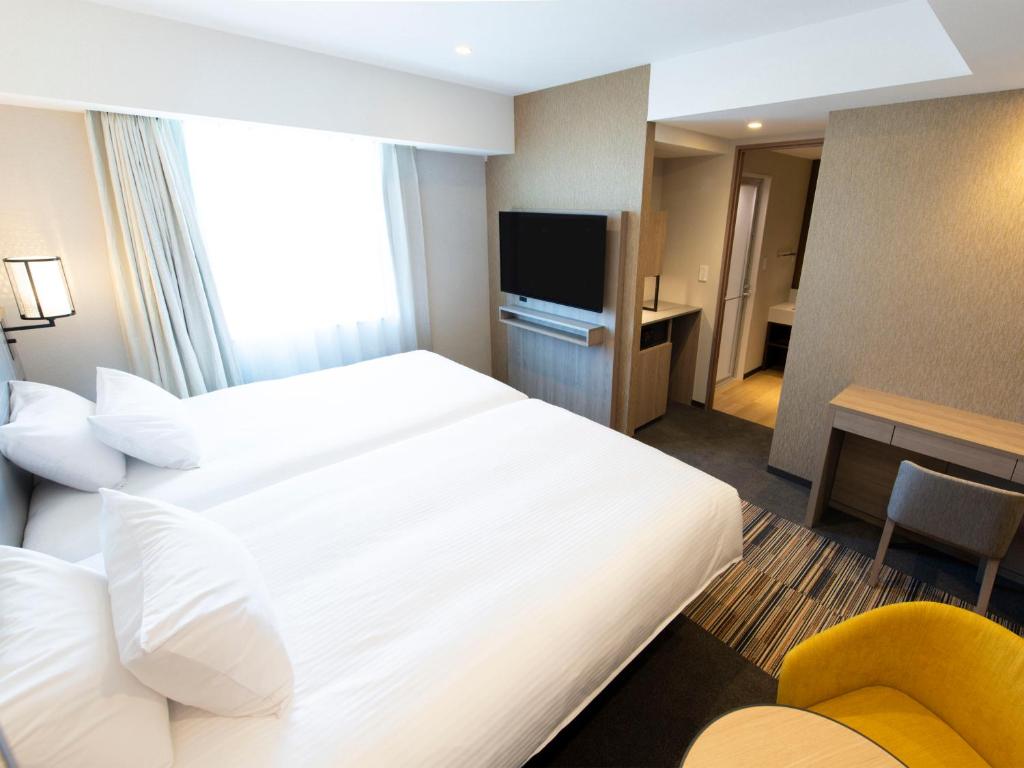 |
| Kawaguchi-ko | 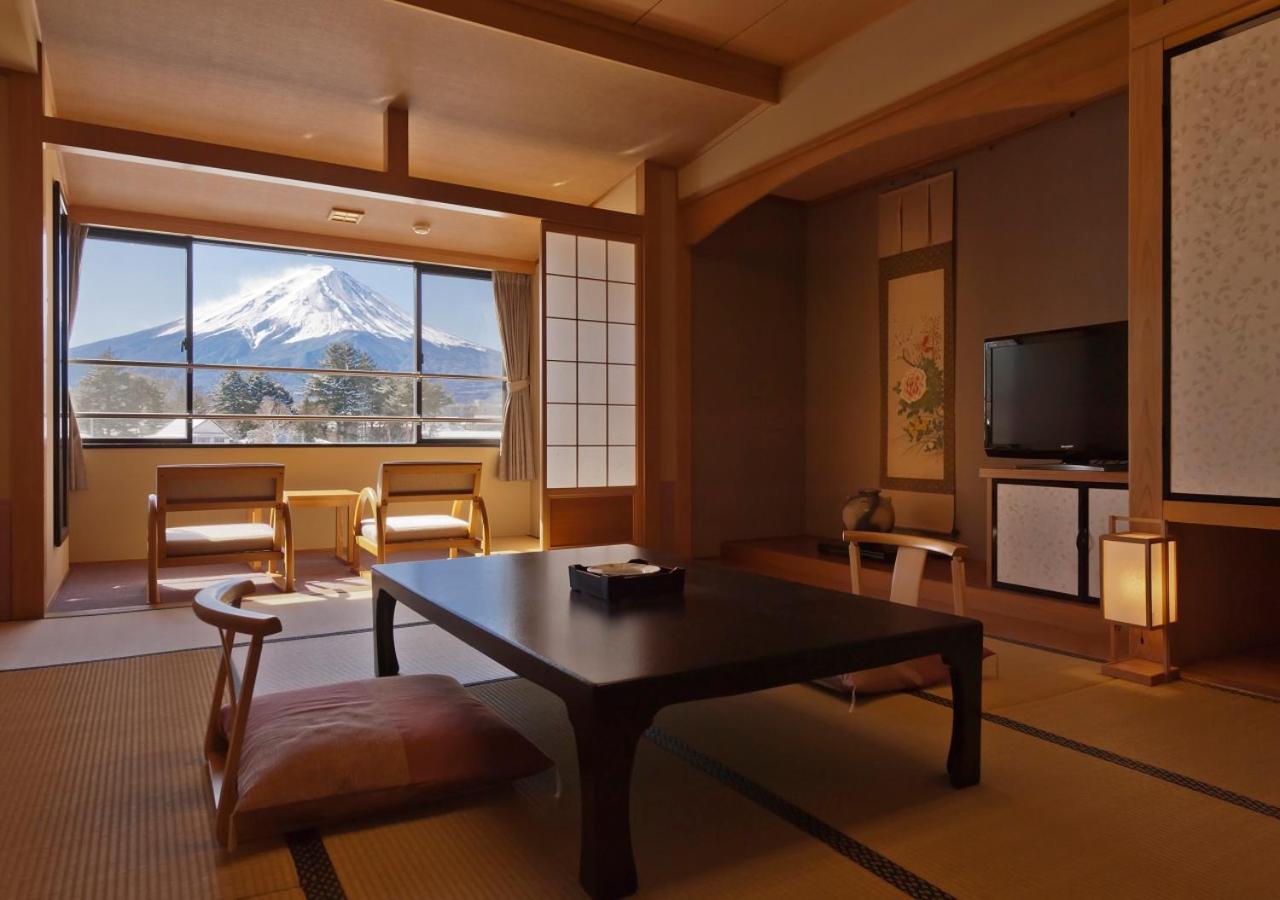 |
| Nagano | 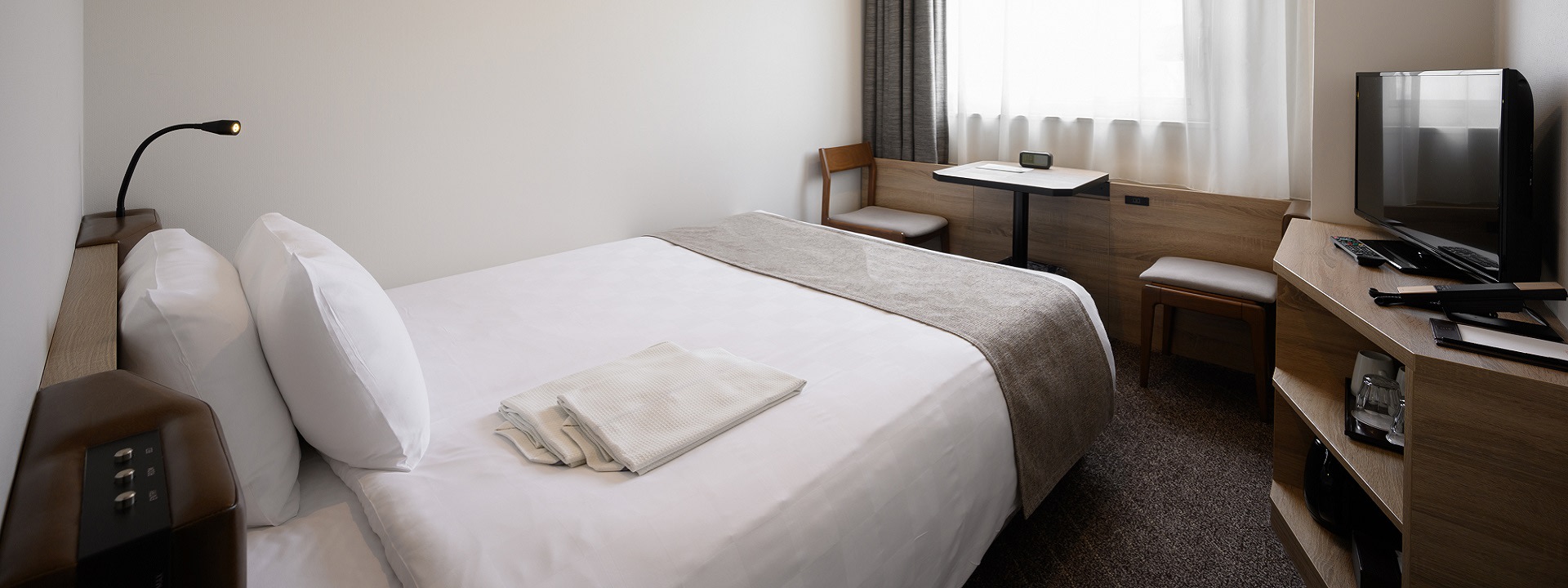 |
| Kanazawa | 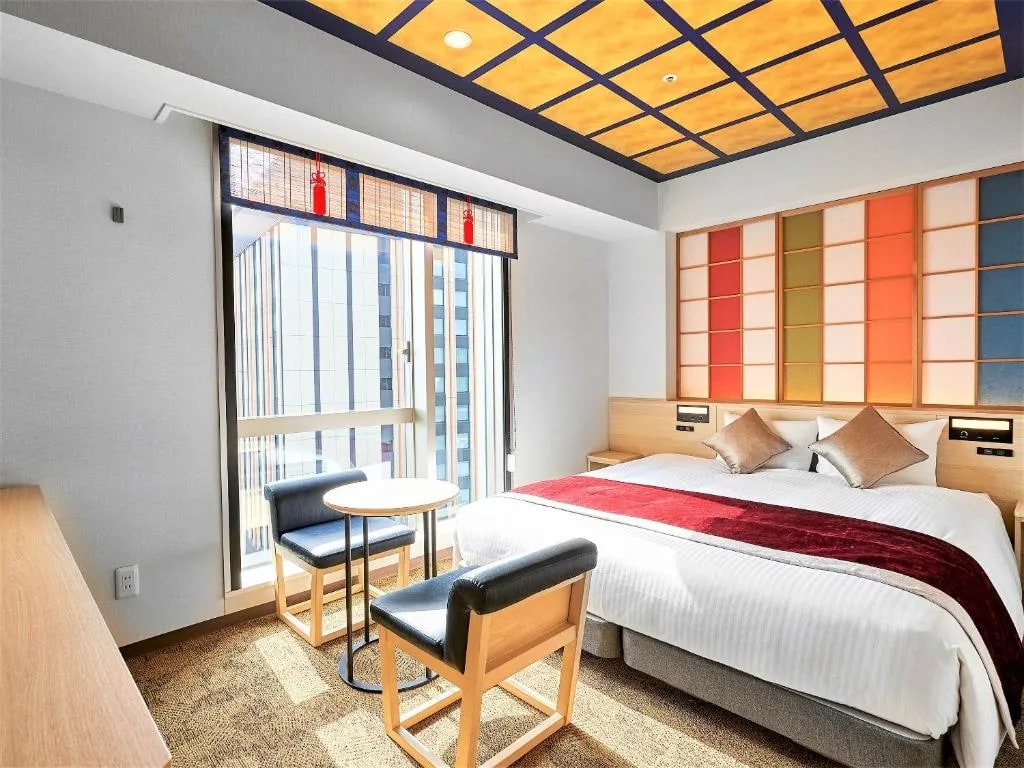 |
| Kyoto | 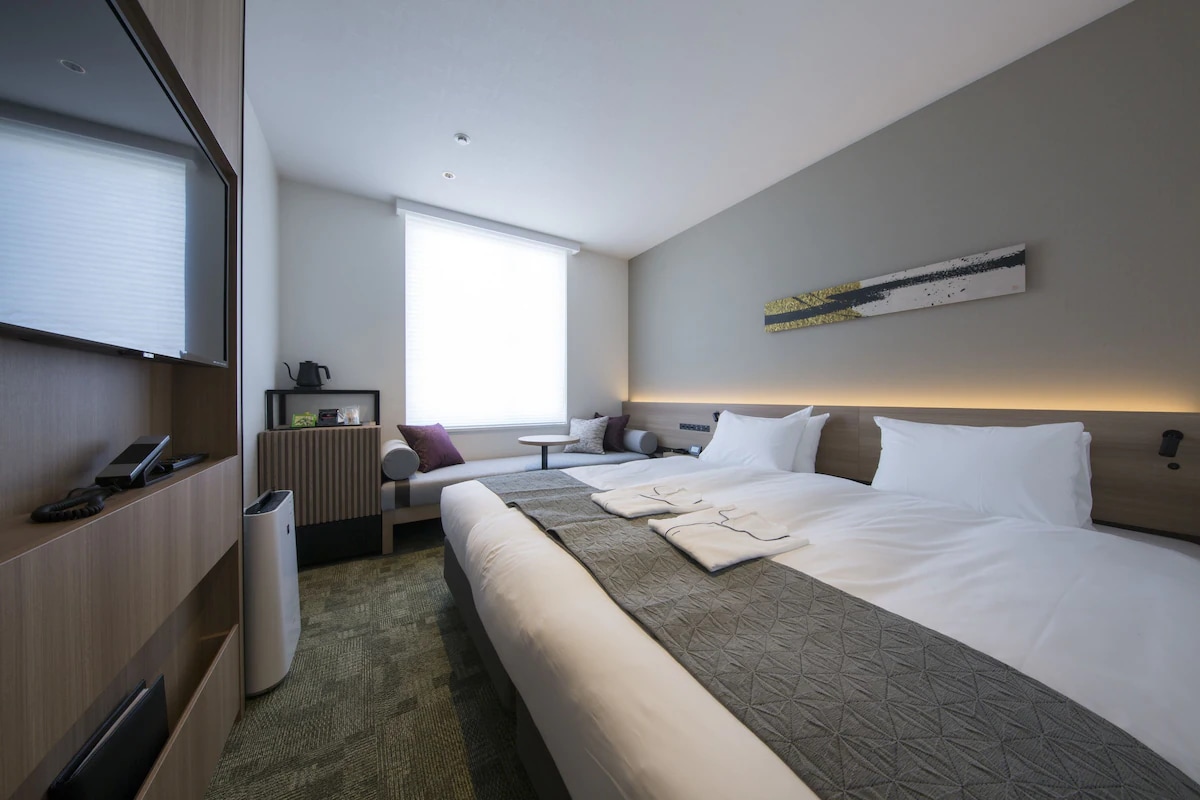 |
| Koyasan | 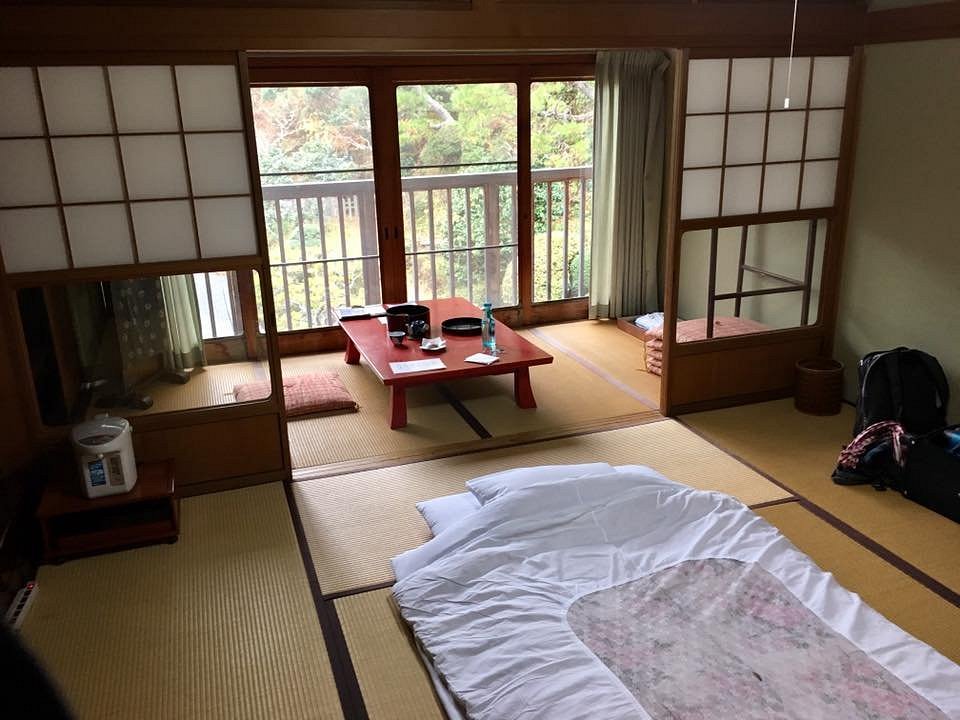 |
| Osaka | 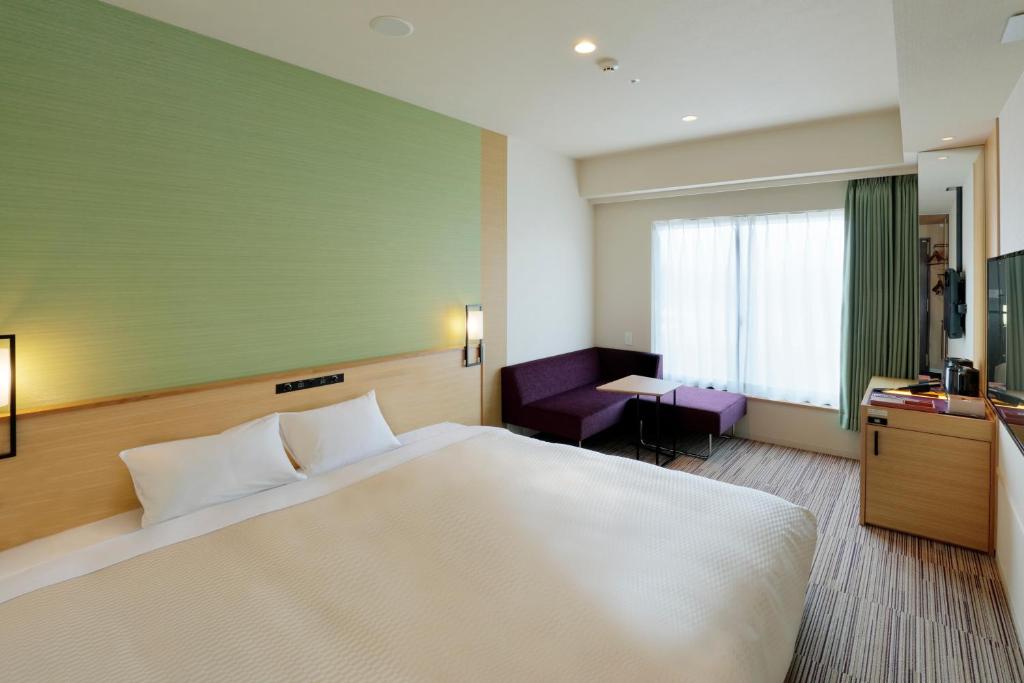 |
Meals included
15 meals included: 13 breakfasts and 2 dinners.
| Day | Night | Meals included |
|---|---|---|
| 01 | Tokyo | X |
| 02 | Tokyo | Breakfast |
| 03 | Tokyo | Breakfast |
| 04 | Kawaguchi-ko | Breakfast & dinner |
| 05 | Nagano | Breakfast |
| 06 | Nagano | Breakfast |
| 07 | Kanazawa | Breakfast |
| 08 | Kanazawa | Breakfast |
| 09 | Kyoto | Breakfast |
| 10 | Kyoto | Breakfast |
| 11 | Kyoto | Breakfast |
| 12 | Koyasan | Breakfast & dinner |
| 13 | Osaka | Breakfast |
| 14 | Flight | Breakfast |
Services included
- The roadbook
- Day 1 - Pocket Wi-Fi router hire for the whole stay
- Day 1 - Japan Rail Pass valid 14 days
- Day 1 - Suica card loaded with 2500JPY
- Day 1 - Airport transfer by taxi with an English-speaking driver
- Day 12 - A “Koyasan Pass” valid 2 days
- Day 14 - Airport transfer by taxi with an English-speaking driver
Not included
- International flights
- Entry to sites other than those listed as included
- Meals other than those listed as included, and all drinks
- Transport other than that listed as included (taxis, ferry)
- The tourist accommodation tax, between 100 and 500 yen per night per person, collected in cash on arrival at hotels in the larger cities
- The hot-spring tax, about 150 yen per night per person, collected in cash on arrival in spa towns
- Luggage forwarding (allow 2000 yen per bag per shipment)